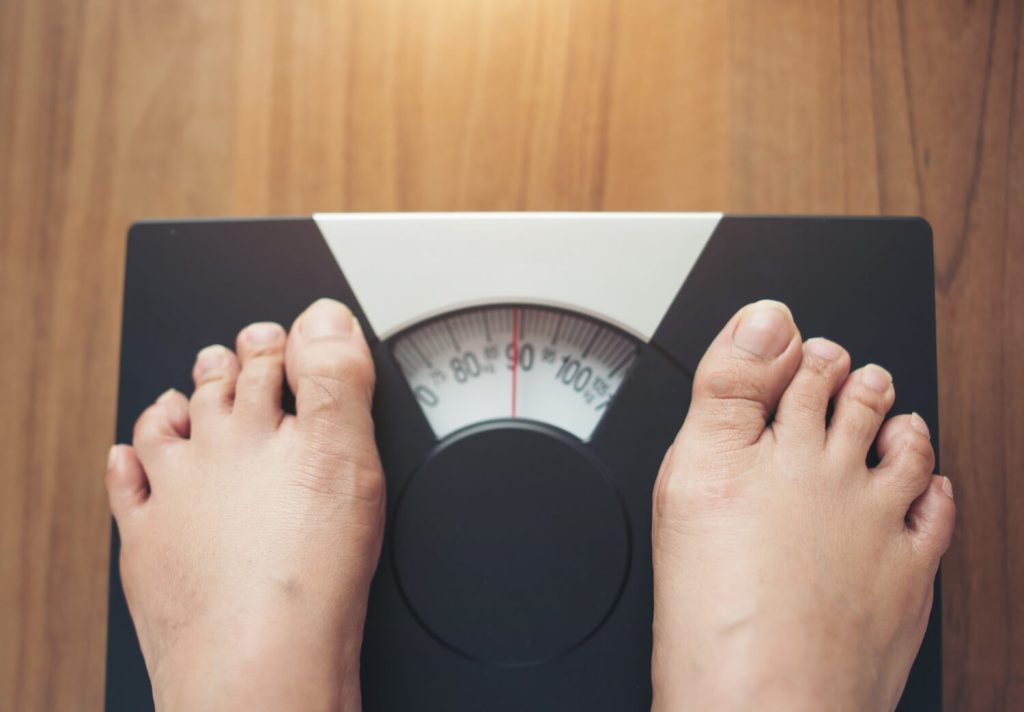
Sleep apnea is a sleep disorder characterized by temporary pauses in breathing during sleep. This condition can affect sleep quality and overall health. One of the primary risk factors for sleep apnea is obesity. Therefore, managing body weight effectively is essential to reducing sleep apnea symptoms. Below is an explanation of the relationship between obesity and sleep apnea, how to lose weight in a healthy way, and the role of a low-fat, high-fiber diet in controlling sleep apnea symptoms.
The Relationship Between Obesity and Sleep Apnea
Obesity is closely linked to sleep apnea. The accumulation of fat, particularly around the neck, can compress the airway and cause obstruction during sleep. Studies show that more than 70% of people with obstructive sleep apnea are obese. Excess body weight can increase the risk and severity of sleep apnea because:
Featured Products
ResMed AirSense 10 Autoset
ResMed's best automatic CPAP — adjusts pressure with every breath for precise, comfortable therapy throughout the night.
View Product Free Consultation- Fat Accumulation in the Neck
Excess fat around the neck can narrow the airway and increase the risk of obstruction.
- Reduced Muscle Tone
Obesity can reduce the muscle tone of the airway, making it more susceptible to collapse during sleep.
How to Lose Weight Healthily to Reduce Sleep Apnea Symptoms
Our Services for You
Losing weight in a healthy way can help reduce sleep apnea symptoms and improve sleep quality. Here are some steps you can take:
- Balanced Diet
Eat a balanced diet with the right proportions of protein, carbohydrates, and healthy fats. Avoid foods high in sugar and saturated fat.
- Regular Exercise
Exercise at least 150 minutes per week with activities such as brisk walking, cycling, or swimming. Exercise not only helps with weight loss but also improves cardiovascular health.
- Consult a Nutritionist
Consult a nutritionist to get a diet plan tailored to your needs. A nutritionist can help create a proper meal plan to achieve weight loss in a healthy manner.
The Role of a Low-Fat, High-Fiber Diet in Weight Management and Sleep Apnea Control
A low-fat, high-fiber diet is highly effective in managing body weight and reducing sleep apnea symptoms. Here are its benefits:
- Reducing Excess Calorie Intake
Low-fat foods typically contain fewer calories, helping with weight management.
- Improving Digestion
High-fiber foods, such as fruits, vegetables, and whole grains, help improve digestion and keep you feeling full longer, reducing the urge to overeat.
- Reducing Inflammation
A high-fiber, low-fat diet can help reduce inflammation in the body, which may improve airway function and alleviate sleep apnea symptoms.
- Improving Sleep Quality
Good nutrition from a balanced diet helps the body achieve deeper, more restful sleep.
For more information on weight management and proper medical advice, visit the website Resindo Medika. There, you can find a variety of resources and consultation services from experts who can help you better manage sleep apnea. Do not hesitate to contact the professional team at Resindo Medika for the support you need on your journey toward a healthier life and better sleep.
By losing weight in a healthy way and maintaining a good diet, sleep apnea sufferers can experience significant improvements in their symptoms and quality of life. Support from healthcare professionals is also essential for receiving the right treatment and guidance.