CPAP therapy is the gold standard for sleep apnea, but research shows that yoga and breathing exercises can serve as effective complementary therapies — strengthening airway muscles, improving lung capacity, and reducing symptom severity, particularly for mild-to-moderate cases.
How Does Yoga Help with Sleep Apnea?
- Strengthens respiratory muscles: the chest, diaphragm, and throat
- Improves airway muscle tone to reduce collapse during sleep
- Reduces stress and cortisol levels that interfere with sleep quality
- Supports weight loss — a key factor in managing sleep apnea
Best Yoga Poses for Sleep Apnea
Bhujangasana (Cobra Pose): Opens the chest and strengthens the upper respiratory muscles. Hold for 15–30 seconds, 5–10 repetitions.
Simhasana (Lion Pose): Exercises the throat and tongue muscles — areas commonly affected in sleep apnea patients.
Featured Products
ResMed AirSense 10 Autoset
ResMed's best automatic CPAP — adjusts pressure with every breath for precise, comfortable therapy throughout the night.
View Product Free ConsultationNadi Shodhana (Alternate Nostril Breathing): Clears the airways and balances the autonomic nervous system.
Effective Breathing Exercises
Pranayama (Yogic Breathing)
Proven to reduce apnea frequency and improve oxygen saturation. Technique: inhale deeply through the nose for 4 counts → hold for 4 counts → exhale slowly for 6 counts. Practice for 10–15 minutes before bed.
Diaphragmatic Breathing
Lie on your back with one hand on your chest and one on your abdomen. Breathe in deeply — ensure only your abdomen rises, not your chest. Practice for 10 minutes daily to strengthen the diaphragm.
Our Services for You
Humming Bee Breath (Bhramari)
Uses sound vibrations to help keep the airway open. Cover your ears with your thumbs, inhale deeply, then exhale while making a "hmm" sound. Repeat 5–10 times.
Scientific Evidence
A study in the Journal of Clinical Sleep Medicine found that 3 months of yoga and pranayama practice reduced AHI by up to 30% in patients with mild-to-moderate sleep apnea. Other research has shown improvements in oxygen saturation and reduced daytime sleepiness following regular breathing exercise practice.
Exercise Guidelines
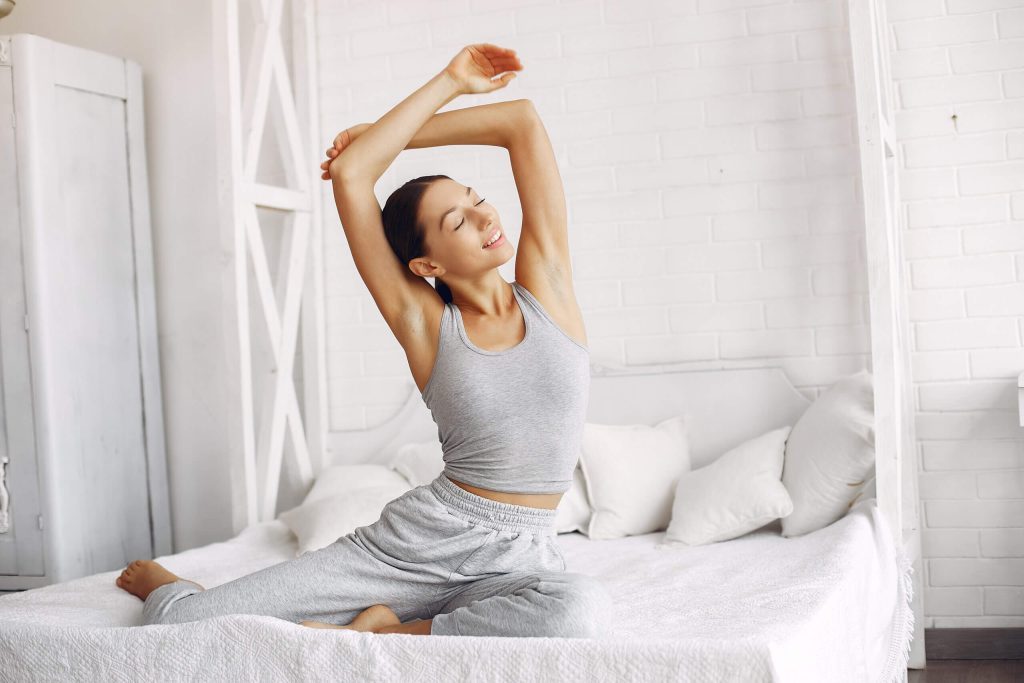
Practice 5 times per week: 15–20 minutes of yoga in the morning plus 10–15 minutes of breathing exercises before bed. Significant results are typically seen after 3–6 months of consistent practice.
Note: Yoga and breathing exercises are not a substitute for CPAP therapy in moderate-to-severe sleep apnea, but they can help reduce the required CPAP pressure and improve therapy adherence. Resindo Medika supports a holistic approach that integrates medical treatment with lifestyle modification.