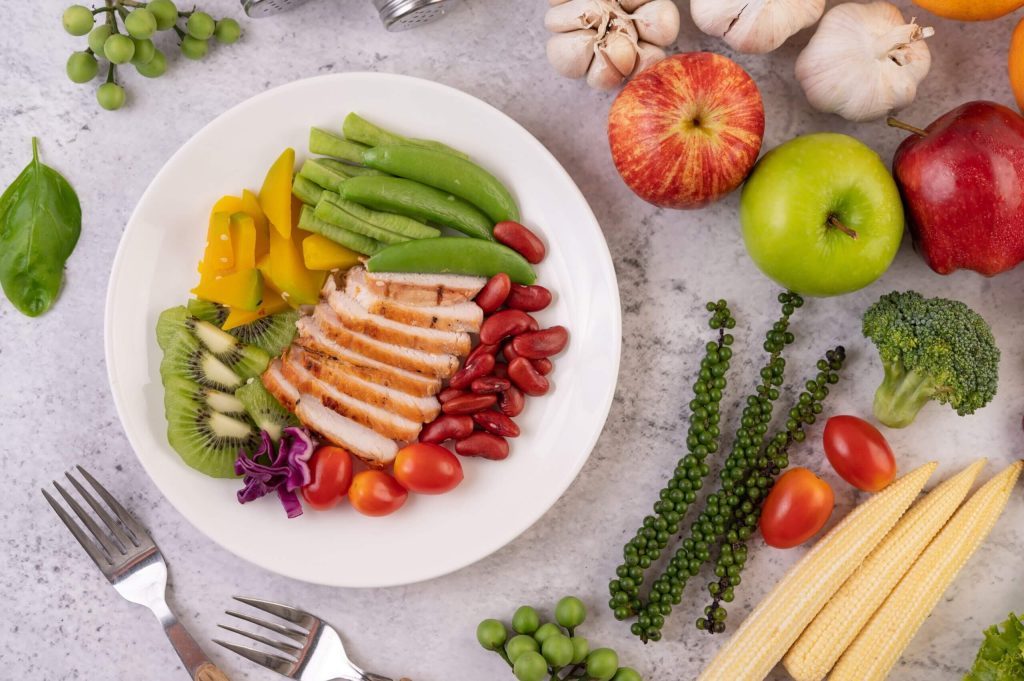
Diet plays an important role in managing sleep apnea. While food does not directly cause breathing pauses, poor dietary choices can worsen symptoms, contribute to weight gain, and trigger inflammation that narrows the airway.
Foods High in Saturated and Trans Fats
Fried foods, fast food, butter, and processed foods can promote fat accumulation around the neck area, narrowing the airway, increasing systemic inflammation, and disrupting sleep quality. Replace them with salmon, avocado, and nuts rich in omega-3.
High-Sugar Foods and Beverages
Excess sugar leads to obesity, promotes insulin resistance, and drives chronic inflammation. Avoid sodas, packaged juices, pastries, candy, and ice cream. Opt for fresh fruit, plain yogurt, and honey in limited amounts.
Featured Products
ResMed AirSense 10 Autoset
ResMed's best automatic CPAP — adjusts pressure with every breath for precise, comfortable therapy throughout the night.
View Product Free ConsultationFull-Fat Dairy Products
In some individuals, dairy products increase mucus production in the airway, worsening nighttime obstruction. Full-fat milk, hard cheese, and cream are also calorie-dense. Switch to almond milk, low-fat milk, or low-fat cottage cheese.
High-Sodium (Salt) Foods
Salty foods cause fluid retention in the upper airway tissues, worsening sleep apnea and raising blood pressure. Avoid canned foods, sausages, processed meats, instant noodles, salted chips, and packaged sauces. Use garlic, ginger, and natural herbs as flavor enhancers instead.
Alcohol and Caffeine Close to Bedtime
Alcohol causes the throat muscles to relax too much, worsening airway obstruction. Avoid it at least 3–4 hours before bedtime. Caffeine disrupts sleep quality and increases anxiety. Avoid coffee, green tea, and energy drinks 4–6 hours before bed. Replace them with water and caffeine-free herbal teas such as chamomile.
Our Services for You
Refined Carbohydrates
White bread, white rice, pasta, and pastries contain simple carbohydrates that are quickly converted into sugar, triggering inflammation and weight gain. Choose brown rice, quinoa, whole-grain bread, and oatmeal instead.
Dietary Tips for People with Sleep Apnea
- Eat dinner 3–4 hours before bedtime for optimal digestion
- Eat smaller, more frequent portions to prevent overeating
- Drink enough water to keep the airway adequately moist
- Increase anti-inflammatory foods: leafy greens, berries, and fatty fish
Resindo Medika provides nutrition consultations, accurate sleep studies, and CPAP therapy as part of a holistic approach to sleep apnea management.