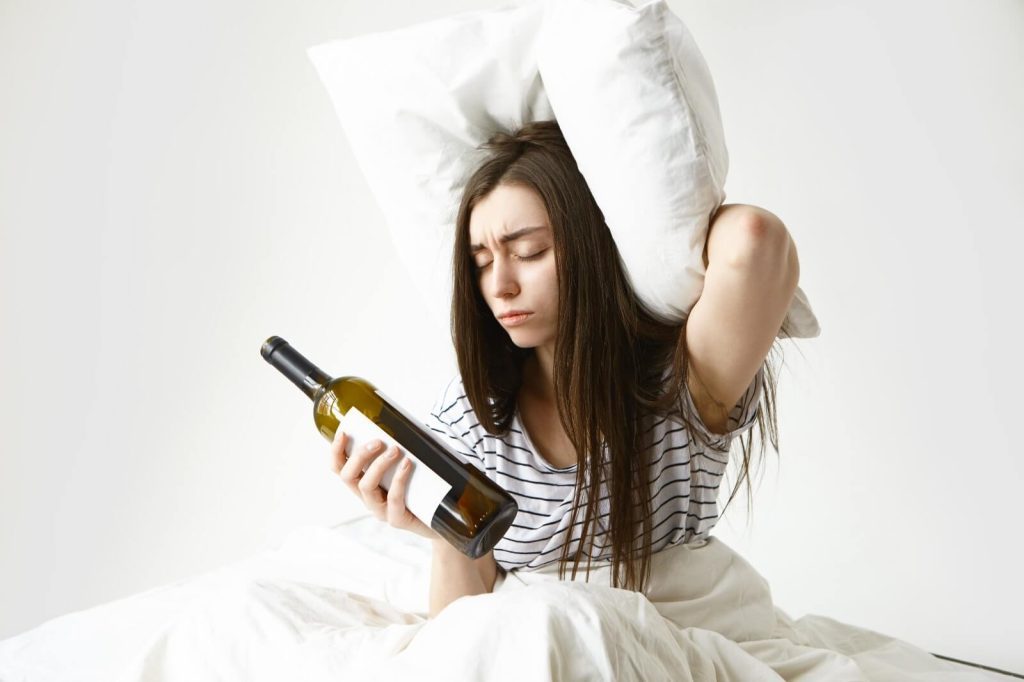
Alcohol and sleep apnea have a connection that often goes unnoticed. Many people drink alcohol to help the body relax before bed — yet for people with sleep apnea, this habit can significantly worsen breathing disruptions during sleep.
How Does Alcohol Worsen Sleep Apnea?
1. Airway Muscles Become Too Relaxed
Alcohol is a depressant that makes the muscles in the mouth and throat slacker than normal. The result: soft tissue in the airway collapses more easily during sleep, increasing the frequency and duration of apnea episodes.
2. The Body Struggles to Wake When Breathing Is Disrupted
Normally, the body briefly wakes when breathing stops in order to restore breathing. Alcohol suppresses this mechanism, making it harder for the body to wake — so breathing disruptions last longer and become more dangerous.
Featured Product
ResMed AirSense 10 Autoset
ResMed's best automatic CPAP — adjusts pressure with every breath for precise, comfortable therapy all night long.
View Product Free Consultation3. The Nose Becomes More Easily Congested
Alcohol causes blood vessels in the nose to dilate, triggering nasal congestion that makes nose-breathing harder and forces mouth-breathing — which is more prone to obstruction.
4. Blood Oxygen Levels Drop More Deeply
More frequent and longer breathing disruptions from alcohol cause deeper drops in blood oxygen — raising the risk of dangerous cardiovascular effects.
5. Timing of Consumption Matters a Lot
Alcohol consumed close to bedtime has the strongest effect during the early phase of sleep, exactly when blood alcohol levels are still high and the muscles are most relaxed.
Our Services for You
Tips to Reduce the Impact
If you have sleep apnea but still drink alcohol occasionally:
- Stop drinking at least 3 hours before bed
- Limit your overall consumption
- Drink enough water to stay hydrated
- Sleep on your side, not on your back
- Keep using your CPAP device
Consult About Your Condition
If you often experience loud snoring, breathing pauses during sleep, or declining sleep quality after drinking alcohol, these may be signs of sleep apnea that need attention. Resindo Medika provides sleep-disorder assessments with modern medical technology for accurate diagnosis and treatment.