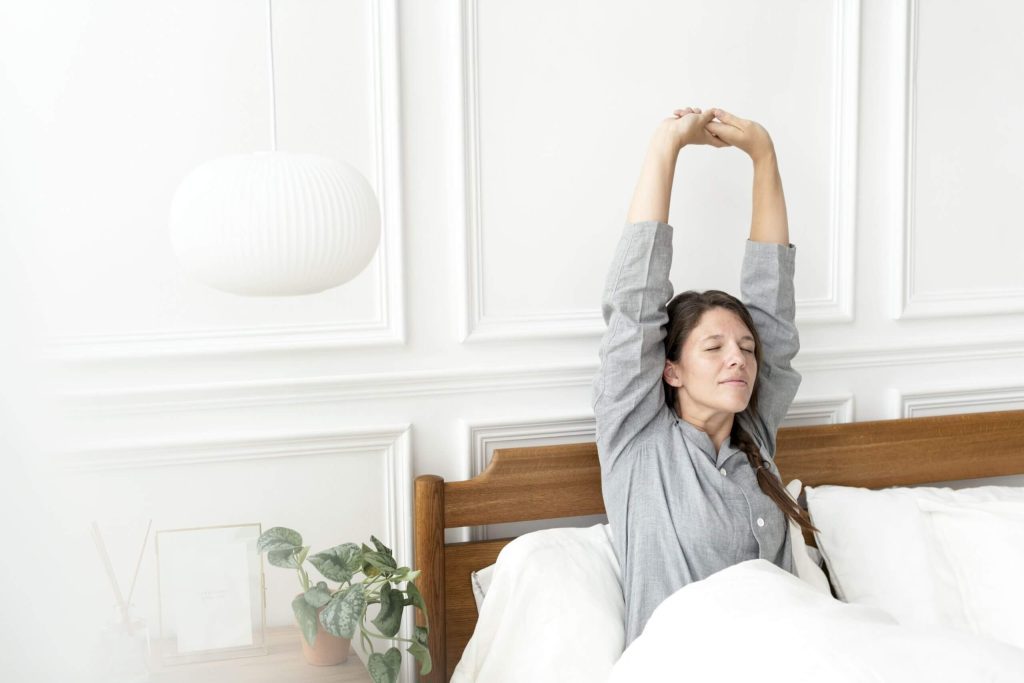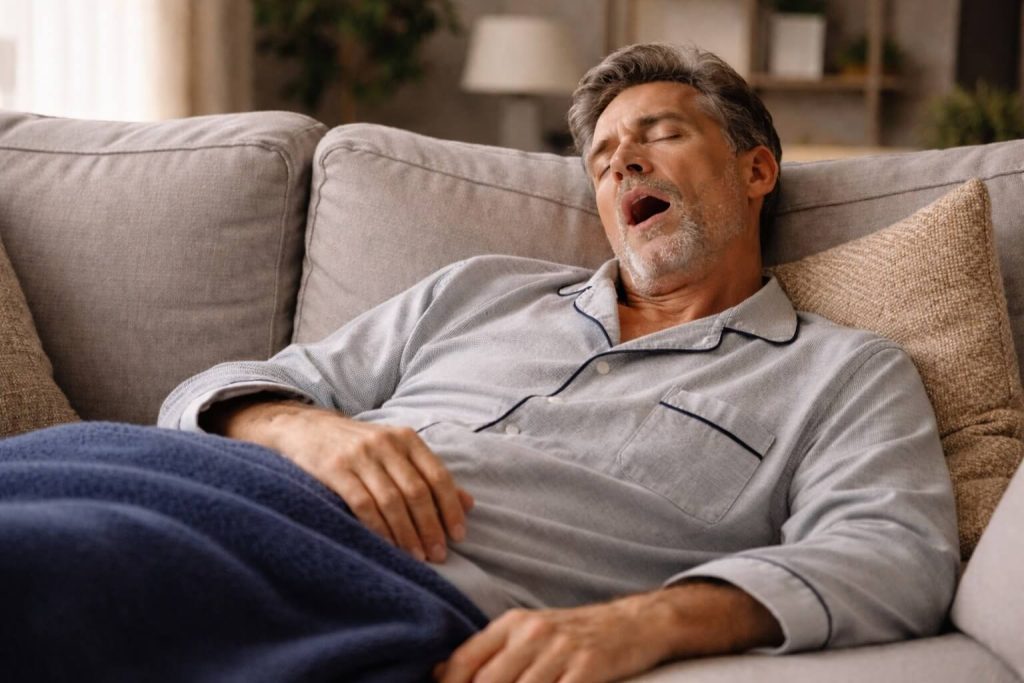
Sleep apnea is a serious sleep disorder in which breathing repeatedly stops during sleep. The condition can lead to chronic fatigue, hypertension, and cardiac complications. While medical treatment is often necessary, several simple home approaches can help alleviate symptoms — particularly in mild cases.
1. Maintain a Healthy Weight
Excess weight, especially around the neck and upper body, can compress the airway and increase the risk of obstruction during sleep. Maintaining a healthy weight helps keep the airway open. In some patients, significant weight loss can even dramatically reduce the severity of sleep apnea.
2. Limit Alcohol Consumption
Alcohol relaxes the throat muscles more than normal, making it easier for the airway to become blocked during sleep. It also lowers blood oxygen levels, which are already compromised in people with sleep apnea. Avoid alcohol at least 3–4 hours before bedtime to minimize its effects.
Featured Products
ResMed AirSense 10 Autoset
ResMed's top automatic CPAP — adjusts pressure with every breath for precise, comfortable therapy throughout the night.
View Product Free Consultation3. Quit Smoking
Smoking irritates and inflames airway tissue, causing swelling and increased mucus production that narrows the airway. Quitting smoking gradually improves airway health and can reduce the frequency of apnea episodes.
4. Change Your Sleep Position
Sleeping on your back allows the tongue to fall backward and block the airway. Sleeping on your side — particularly the left side — is the most commonly recommended position, as it helps keep the airway open. Some people also benefit from elevating their head using an extra pillow or a wedge pillow.
5. Use a Humidifier
Dry air irritates the airway and reduces sleep comfort. A humidifier increases the moisture level in your bedroom, reducing irritation in the nasal passages and throat, and making nighttime breathing more comfortable. Clean your humidifier regularly to prevent the growth of bacteria or mold.
Our Services for You
When Is Medical Treatment Needed?
The steps above can help relieve symptoms, but they are not a substitute for medical diagnosis and treatment — especially for moderate to severe sleep apnea. Resindo Medika provides sleep studies, CPAP therapy with compliance monitoring, and specialist consultations for effective, evidence-based solutions.