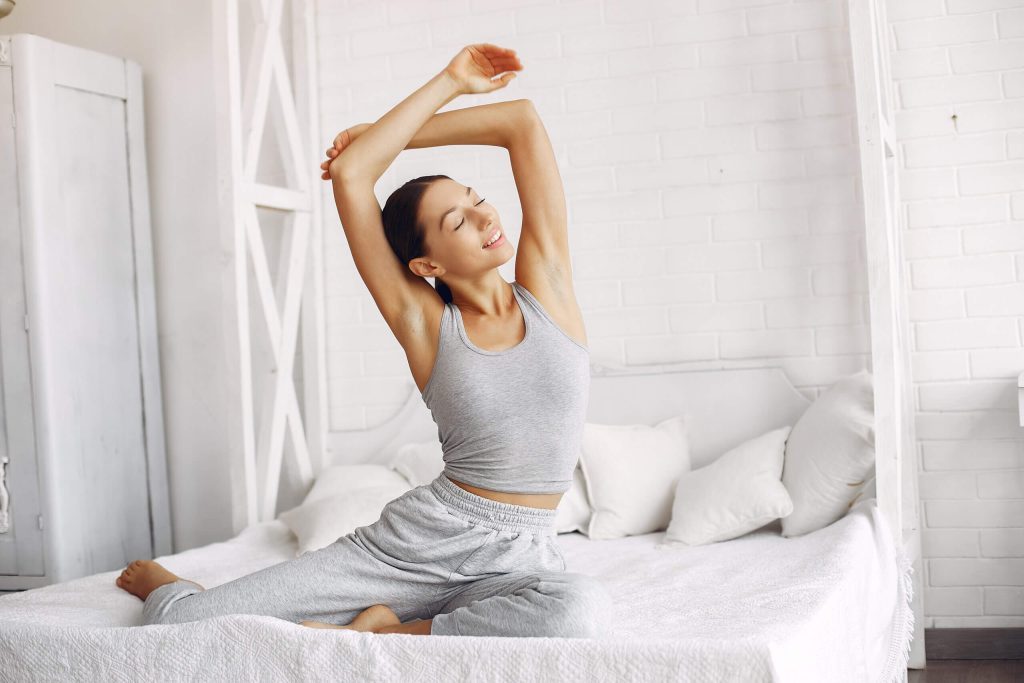
Sleep apnea is a serious sleep disorder in which breathing repeatedly stops temporarily during sleep. Managing this condition effectively often involves regular exercise, which not only aids in weight loss but also improves sleep quality and reduces sleep apnea symptoms. Here are some recommended types of exercise for sleep apnea sufferers, along with tips on duration, intensity, and the benefits of yoga and meditation.
Types of Exercise That Can Improve Sleep Quality
Several types of exercise can help improve sleep quality for those with sleep apnea. Here are some examples:
Featured Products
ResMed AirSense 10 Autoset
ResMed's best automatic CPAP — adjusts pressure with every breath for precise, comfortable therapy throughout the night.
View Product Free Consultation- Walking: Walking is a light, easy-to-do exercise that is effective for improving cardiovascular health and reducing sleep apnea symptoms.
- Swimming: Swimming is a full-body cardiovascular workout that helps increase lung capacity and strengthen the respiratory muscles.
- Cycling: Cycling is also an excellent cardiovascular exercise that can help control body weight and improve sleep quality.
- Strength Training: Strength training can help increase muscle mass and boost metabolism, contributing to weight loss and improvement of sleep apnea symptoms.
Appropriate Exercise Duration and Intensity for Sleep Apnea Sufferers
It is important for sleep apnea sufferers to pay attention to exercise duration and intensity in order to gain maximum benefits without excessive risk. Here are some general guidelines:
- Duration
It is recommended to exercise at least 150 minutes per week, which can be divided into daily 30-minute sessions.
Our Services for You
- Intensity
Choose moderate-intensity exercise, such as brisk walking or leisurely cycling. Moderate intensity is characterized by an increased heart rate and faster breathing, while still allowing you to hold a conversation.
- Frequency
Exercise regularly, at least 3–5 times per week, to achieve optimal health benefits.
Benefits of Yoga and Meditation in Reducing Stress and Improving Sleep Quality
In addition to cardiovascular exercise and strength training, yoga and meditation also offer significant benefits for sleep apnea sufferers. Here are some key benefits:
- Yoga
-
- Yoga helps improve flexibility, strength, and body balance. Certain yoga poses can help strengthen the respiratory muscles and enhance lung function.
- Breathing exercises in yoga (pranayama) can help open the airways and improve sleep quality.
- Meditation
-
- Meditation helps reduce stress and anxiety, which are known triggers of sleep apnea. By calming the mind, meditation can help sufferers achieve deeper, more restful sleep.
- Mindfulness meditation can help sleep apnea sufferers become more aware of their sleep patterns and develop healthier sleep habits.
For more information on appropriate exercises and other medical advice, visit the Resindo Medikawebsite. There, you can find a wide range of resources and consultation services from experts who can help you better manage sleep apnea. Do not hesitate to contact the professional team at Resindo Medika for the support you need on your journey toward a healthier life and better sleep.
By adopting the right exercise routine, sleep apnea sufferers can improve their sleep quality and reduce symptoms. Support from healthcare professionals is also essential for receiving appropriate treatment and guidance.