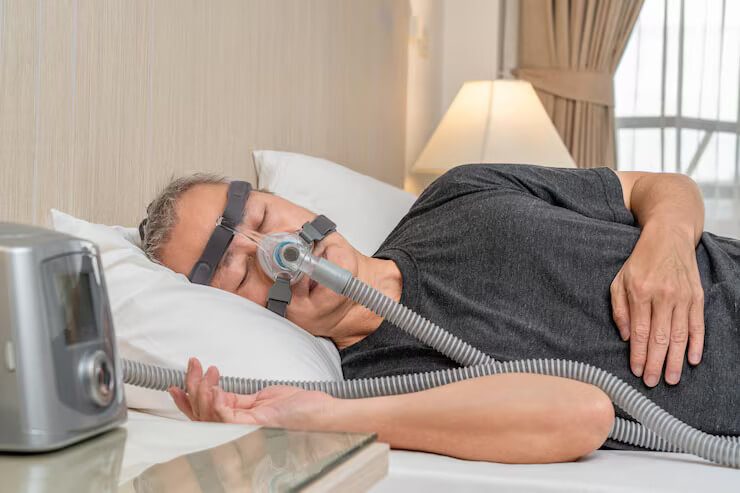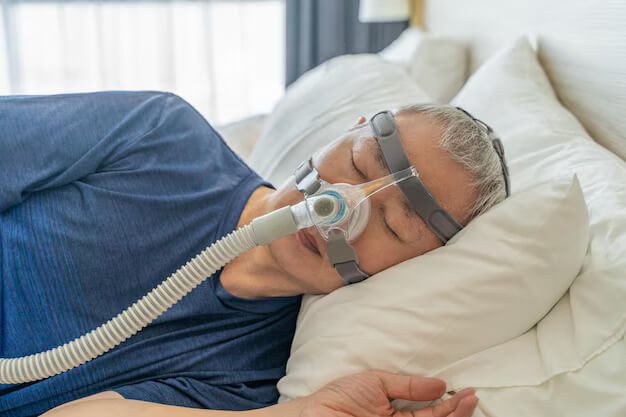
Many CPAP users worry about how to continue therapy during long trips. The good news: with proper planning, CPAP therapy can continue wherever you are – on a plane, in a hotel, or even camping. Stopping CPAP during travel (even for a few nights) can bring back sleep apnea symptoms and increase health risks.
Tip 1: Consider a Travel CPAP
Portable CPAPs are designed specifically for travel. The ResMed AirMini is the smallest and lightest in the world (~300 grams, the size of a soda can), with all the features of the AirSense 10 but in a size that fits in a jacket pocket. It comes with the myAir app for monitoring via smartphone.
Tip 2: Understand Flight Regulations
Almost all international and domestic airlines allow a CPAP as a medical device in the cabin (not checked baggage). Key tips:
Featured Product
ResMed AirSense 10 Autoset
ResMed's best automatic CPAP — adjusts pressure with every breath for precise, comfortable therapy all night long.
View Product Free Consultation- Bring a doctor's letter (letter of medical necessity)
- Declare it as a medical device at check-in
- Take it out of your bag at security (treated the same as a laptop)
- In the cabin, you can use a CPAP on long flights – ask the cabin crew for permission and use an AC outlet or battery adapter
Tip 3: Prepare a Power Solution
Different destinations have different electrical standards:
- Bring a universal adapter with proper grounding
- Check your CPAP's voltage (most are automatic 100–240V)
- Consider a CPAP battery (ResMed Power Station II) for locations without electricity
- A CPAP-compatible power bank allows up to 2 nights of use without an outlet
Tip 4: Prepare a Dedicated Travel Bag
Use a dedicated, organized CPAP bag for: the machine, mask, tubing, spare filters, power cable, adapter, doctor's letter, and cleaning solution. Always carry the CPAP as hand luggage – damage or lost baggage is a risk not worth taking.
Tip 5: CPAP Hygiene While Traveling
The cleaning routine should not be neglected while traveling:
Our Services for You
- Bring antiseptic wipes and travel-size CPAP cleaning solution
- Use clean drinking water (not hotel tap water) for the humidifier
- Disposable filters make cleaning easy without equipment
Tip 6: Manage Time Zone Differences (Jet Lag)
Time zone differences can affect sleep quality and CPAP effectiveness:
- Start adjusting your sleep schedule 2–3 days before departure
- Keep using the CPAP even if you only sleep briefly
- Avoid alcohol during the flight – it worsens sleep apnea
Tip 7: Check the Destination Country's Regulations
Some countries require an import permit for medical devices. Before traveling abroad:
- Check the destination country's customs regulations
- Bring an invoice or proof of CPAP purchase
- Keep the contact of a CPAP distributor in the destination country for emergencies
- Install a CPAP monitoring app before departure for access to therapy data anywhere
With proper preparation, sleep apnea need not limit your mobility. Enjoy your travels with sound sleep and uninterrupted therapy. For questions about travel CPAPs and travel accessories, consult the Resindo Medika team.