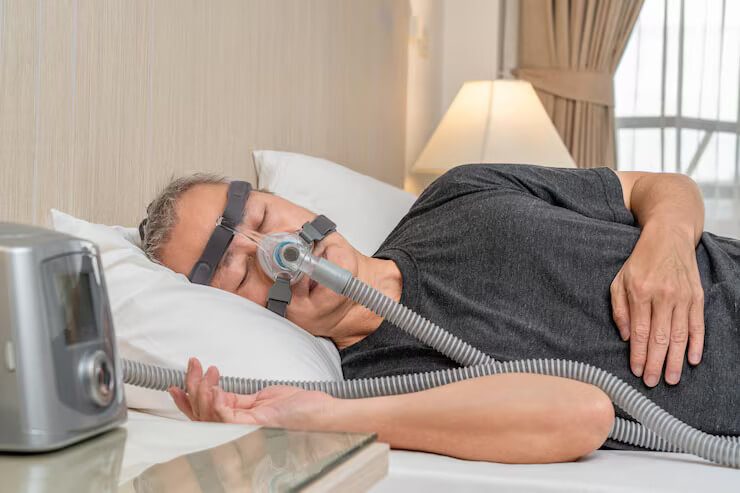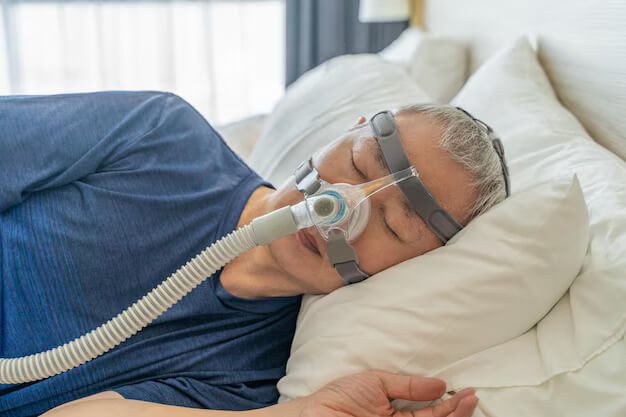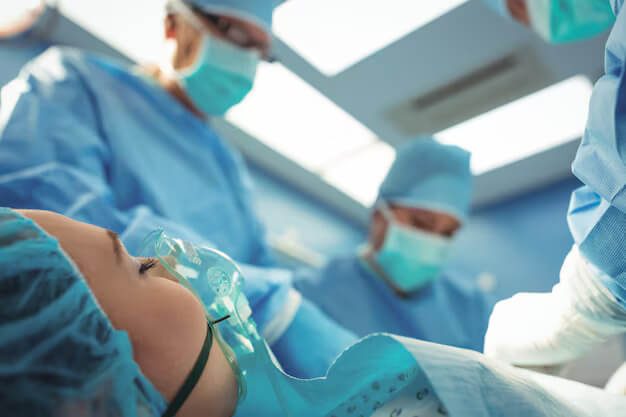
Surgery for sleep apnea is an option that requires careful consideration. Although not a first-line choice, surgery can be an effective solution for patients who cannot tolerate CPAP or who have a clear anatomical abnormality causing the obstruction.
When Is Surgery Considered?
- Patients who cannot tolerate CPAP therapy after trying various masks
- Clear anatomical abnormalities: very large tonsils, a deviated septum, a very small jaw
- Children with moderate-to-severe sleep apnea caused by enlarged tonsils and adenoids
- Patients who want a more permanent solution
Types of Sleep Apnea Surgery
UPPP (Uvulopalatopharyngoplasty)
Removes excess tissue from the soft palate, uvula, and tonsils. Success rate (AHI reduction ≥50%): 40–60%. Recovery: 2–3 weeks.
Septoplasty and Turbinate Reduction
Corrects a deviated nasal septum and reduces swollen turbinates to improve airflow. Success rate as a standalone procedure: 20–30%. Recovery: 1–2 weeks.
Featured Product
ResMed AirSense 10 Autoset
ResMed's best automatic CPAP — adjusts pressure with every breath for precise, comfortable therapy all night long.
View Product Free ConsultationTonsillectomy and Adenoidectomy
Very effective in children. Success rate: 70–90% in children, 25–40% in adults. Recovery: 1–2 weeks.
Maxillomandibular Advancement (MMA)
A major surgery that advances the upper and lower jaws to enlarge the airway comprehensively. Highest success rate: 85–95%. Recovery: 6–12 weeks.
Hypoglossal Nerve Stimulation
Implants a device that stimulates the tongue nerve to prevent airway collapse. Success rate: 60–70%. Recovery: 2–3 weeks.
Our Services for You
Common Surgical Risks
Potential complications include bleeding, infection, anesthesia reactions, procedure failure, and recurrence after several years. Discuss the specific risks with an ENT or maxillofacial surgeon before deciding.
Try These Before Deciding on Surgery
Before surgery, make sure you have tried: various CPAP mask types (full face, nasal, nasal pillow), significant weight loss, sleep-position changes, and an oral appliance. Resindo Medika can help evaluate all non-surgical options before referring you to the right surgeon.