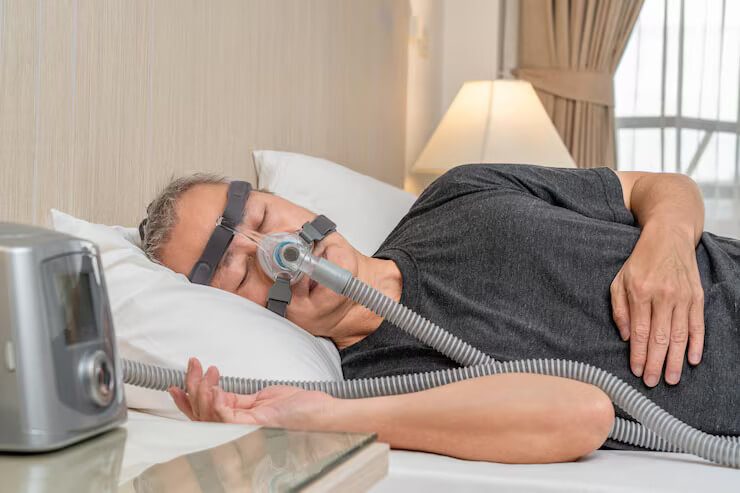
Sleep apnea doesn't just cause loud snoring or daytime sleepiness — over time, it can significantly increase the risk of Alzheimer's disease. The good news: with the right treatment, this risk can be substantially reduced.
What Is Sleep Apnea?
Sleep apnea is a sleep disorder that occurs when the airway narrows or temporarily closes during sleep, causing breathing to stop for several seconds to minutes. These episodes can occur dozens to hundreds of times in a single night, often without the sufferer being aware.
As a result, people with sleep apnea often experience loud snoring, excessive daytime sleepiness, morning headaches, and difficulty concentrating.
Featured Products
ResMed AirSense 10 Autoset
ResMed's top automatic CPAP — adjusts pressure with every breath for precise, comfortable therapy throughout the night.
View Product Free ConsultationThe Link Between Sleep Apnea and Alzheimer's Risk
Research shows that sleep apnea affects brain health through several biological mechanisms: repeated drops in blood oxygen levels, sleep fragmentation with frequent awakenings, and increased inflammation in the body.
These conditions impair nerve cell function and the brain's process of clearing metabolic waste during sleep. Researchers believe that over time, these factors are associated with cognitive decline and an increased risk of dementia — including Alzheimer's disease.
How to Treat Sleep Apnea
Sleep apnea treatment aims to keep the airway open during sleep and improve sleep quality. Common treatment options include:
Our Services for You
- CPAP Therapy (Continuous Positive Airway Pressure): A CPAP machine delivers a continuous stream of pressurized air that prevents the airway from closing during sleep. It is the gold standard treatment for sleep apnea.
- Lifestyle changes: Weight loss, avoiding alcohol, and sleeping on your side can help in mild cases.
- Oral devices: In certain cases, a mouthpiece can help keep the airway open.
- Sleep test: Accurate diagnosis through a sleep study to determine severity and guide the treatment plan.
Why Is Treatment Important for Preventing Alzheimer's?
Quality sleep plays a vital role in maintaining brain health. During sleep, the brain carries out critical processes: repairing nerve cells, organizing and consolidating memories, and clearing metabolic waste produced by brain activity (theglymphatic system).
Untreated sleep apnea disrupts all of these processes. Over the long term, the risk of Alzheimer's in old age increases significantly. Some studies have even found that consistent CPAP therapy can slow the rate of cognitive decline.
Address Sleep Apnea Before It's Too Late
Loud snoring, frequent nighttime awakenings, or excessive daytime sleepiness may be signs of sleep apnea. Resindo Medika offers comprehensive sleep disorder evaluation services: sleep diagnostic tests, specialist consultations, and ResMed CPAP therapy to stabilize your nighttime breathing and protect your brain health.