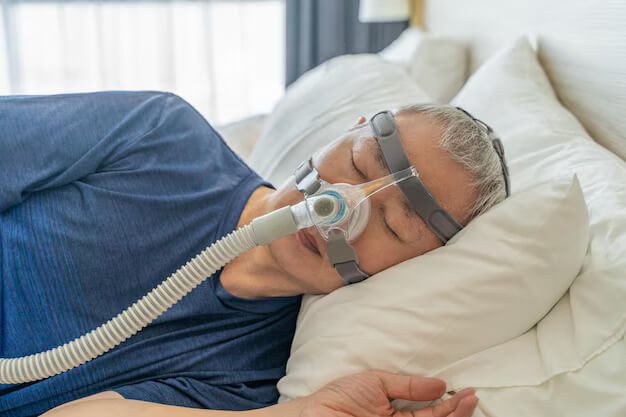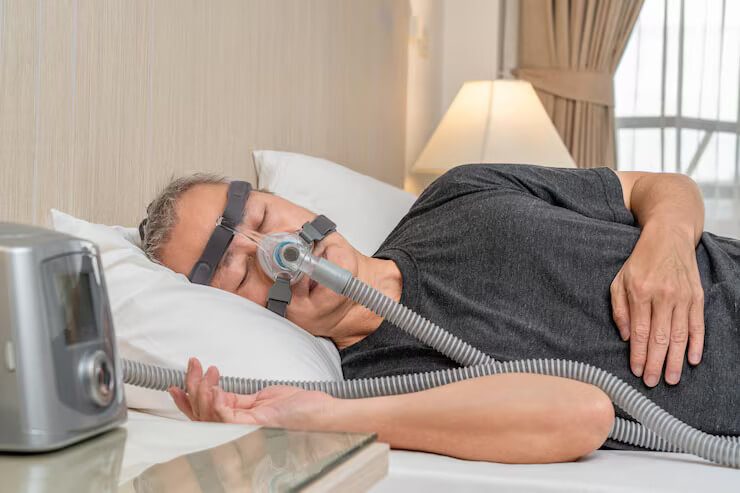
A leaking CPAP mask is one of the most common complaints among CPAP therapy users. Leaks reduce therapy effectiveness, cause disruptive noise, and often frustrate users to the point of abandoning CPAP altogether. The good news: nearly all mask leak issues can be resolved with the right adjustments.
Why Are Mask Leaks a Serious Problem?
CPAP machines are designed to deliver a specific air pressure to keep the airway open. When a mask leaks, the pressure reaching the airway is reduced — making therapy ineffective. Leaks can also irritate the eyes (air escaping toward the face), dry out the mouth and throat, and disturb a sleeping partner.
7 Causes of CPAP Mask Leaks
1. Wrong Mask Size
This is the most common cause. Every brand has different sizing (S, M, L), and an incorrect facial measurement leads to leaks. Solution: ask a Resindo Medika medical professional to measure your face and confirm the right mask size for your facial shape.
Featured Product
ResMed AirSense 10 Autoset
ResMed's best-in-class auto CPAP — automatically adjusts pressure with every breath for precise, comfortable therapy throughout the night.
View Product Free Consultation2. Headgear Too Loose or Too Tight
Headgear that is too loose causes the mask to shift. However, headgear that is too tight can cause the cushion to fold, creating gaps that leak. Tighten just enough — you should still be able to slide 2 fingers between the strap and your head.
3. Worn or Damaged Mask Cushion
CPAP silicone cushions have a lifespan of 1–3 months depending on care. Once worn, they lose their shape and no longer seal properly. Replace cushions regularly in accordance with the manufacturer's recommendations.
4. Face Not Clean When Putting On the Mask
Natural facial oils, night creams, or makeup prevent the silicone cushion from sealing properly against the skin. Always wash your face before putting on your mask.
Our Services for You
5. Sleeping in the Wrong Position
Sleeping on your stomach or on your side with your cheek pressed against the pillow can shift the mask and cause leaks. Use a CPAP-specific pillow designed with a cutout to accommodate the mask.
6. Mask Type Not Suited to Your Breathing Pattern
Users who breathe through their mouth during sleep are not suited for a nasal mask (which covers only the nose). They need a full face mask or a nasal mask with a chin strap.
7. Facial Hair (Beard or Mustache)
Facial hair creates gaps between the cushion and the skin. If shaving is not an option, consider a full face mask, which adapts more easily, or use a dedicated CPAP gel as an additional sealant.
General Tips for Reducing Leaks
- Put on your mask while lying in your sleeping position, not while sitting up
- Re-adjust the straps every 2–3 weeks of use
- Wash the mask cushion daily with mild soap
- Replace the cushion every 1–3 months, and the full mask every 3–6 months
Still Leaking? Consult Resindo Medika
If your mask continues to leak despite trying various adjustments, it may be time to try a different mask type or brand. Resindo Medika offers a wide range of ResMed masks — full face, nasal, and nasal pillow — along with a trained team who can help you find the mask that best suits your facial shape and sleeping habits.