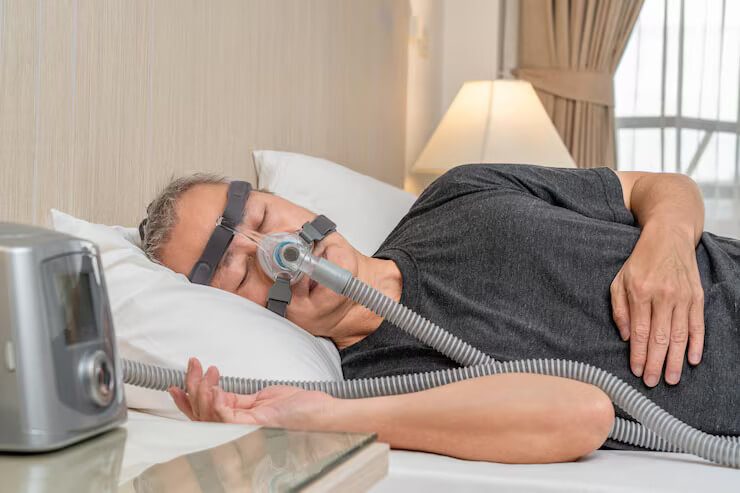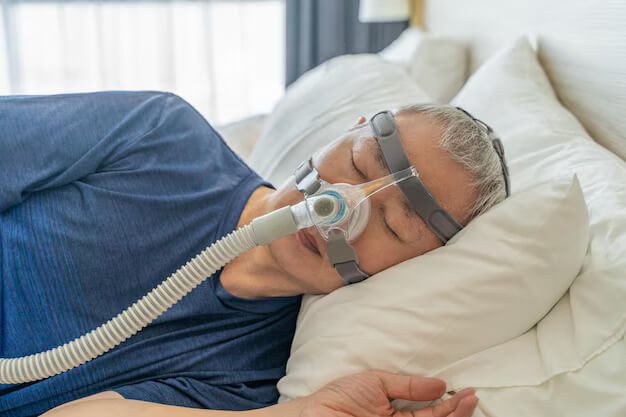
The most common question people with sleep apnea ask: “Can this condition be fully cured?” The answer depends on the underlying cause, the severity, and the treatment approach taken.
Cases of Sleep Apnea That Can Be Fully Cured
Some conditions allow for full recovery:
- Children with enlarged tonsils: Removing the tonsils and adenoids can cure 70–90% of sleep apnea cases in children
- Early-stage obesity: A 10–15% weight loss can eliminate the condition in 50% of mild, obesity-driven sleep apnea cases — as long as the weight is kept off
- Correctable anatomical abnormalities: Septoplasty, jaw surgery (MMA), or removal of excess tissue in appropriate cases
- Positional sleep apnea: If it only occurs when sleeping on the back, changing position can manage the condition effectively
Sleep Apnea That Requires Lifelong Management
Most adult cases require long-term management:
Featured Product
ResMed AirSense 10 Autoset
ResMed's best automatic CPAP — adjusts pressure with every breath for precise, comfortable therapy all night long.
View Product Free Consultation- Moderate-to-severe sleep apnea in adults: Most require lifelong CPAP therapy — although not a “cure,” CPAP controls symptoms in 95% of patients and allows a normal life
- Sleep apnea with multiple risk factors: A combination of obesity, age, genetics, and anatomical abnormalities makes a full cure unrealistic
- Age-related sleep apnea: Natural airway-muscle weakening cannot be reversed
“Cured” vs “Controlled” — Understanding the Difference
Fully cured: No sleep apnea remains; no therapy of any kind is needed. Optimally controlled: Sleep apnea is still present, but therapy eliminates 100% of symptoms without complications. Most adult patients fall into the “optimally controlled” category — living a normal, healthy life with therapy, but unable to stop it.
Do You Have to Use CPAP for Life?
For most patients: yes. But there are exceptions: significant weight loss (15–20+ kg) may show improvement on a repeat sleep study; successful surgery may allow some patients to stop CPAP; and addressing triggering factors can improve symptoms. Important: never stop CPAP without a doctor's confirmation via a sleep study — it is dangerous.
Good Prognosis with Proper Treatment
The good news: with consistent therapy, people with sleep apnea can live normal, productive lives, reduce their complication risk to near that of the non-apnea population, and maintain a quality of life equal to healthy people. Resindo Medika provides long-term support: initial and follow-up sleep studies, therapy adjustments, and periodic evaluations for optimal results.