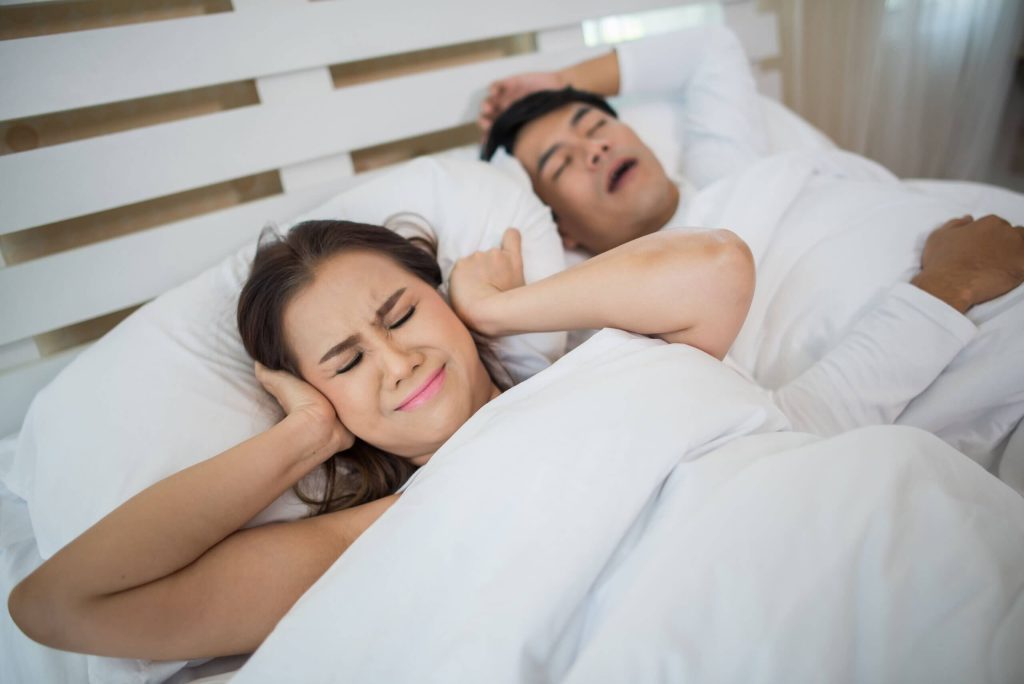
Snoring not only disturbs a sleep partner but can also be a sign of a serious health disorder such as sleep apnea. In Indonesia, more than 40% of adults snore regularly, but only a small portion seek proper treatment.
What Causes Snoring?
Snoring occurs when airflow through the mouth and nose is blocked during sleep, causing the tissue in the throat to vibrate. The main causes include: being overweight, a narrow mouth or nose structure, drinking alcohol before bed, sleeping on the back, nasal congestion from allergies, and obstructive sleep apnea (OSA).
How to Eliminate Snoring Naturally
1. Change Your Sleep Position
Sleeping on your left or right side prevents the tongue from falling backward. Use a bolster pillow at your back or the tennis ball technique to prevent changing position during sleep.
Featured Product
ResMed AirSense 10 Autoset
ResMed's best automatic CPAP — adjusts pressure with every breath for precise, comfortable therapy all night long.
View Product Free Consultation2. Lose Weight
A 5–10% weight loss can significantly reduce snoring because it reduces fat pressure on the airway.
3. Avoid Alcohol and Sedatives
Alcohol makes the throat muscles too relaxed. Avoid it for at least 3 hours before bed.
4. Maintain Air Humidity
Use a humidifier in the bedroom (40–50% humidity) to prevent a dry, irritated throat.
Our Services for You
5. Throat Muscle Exercises
Sing the vowels “a-e-i-o-u” loudly for 3 minutes, 3 times a day. Research shows that 3 months of oropharyngeal exercises can reduce snoring severity by up to 36%.
6. Clear the Nasal Passages
Use a saline nasal spray before bed to clear a nose congested by allergies.
How to Eliminate Snoring Medically
1. CPAP Therapy
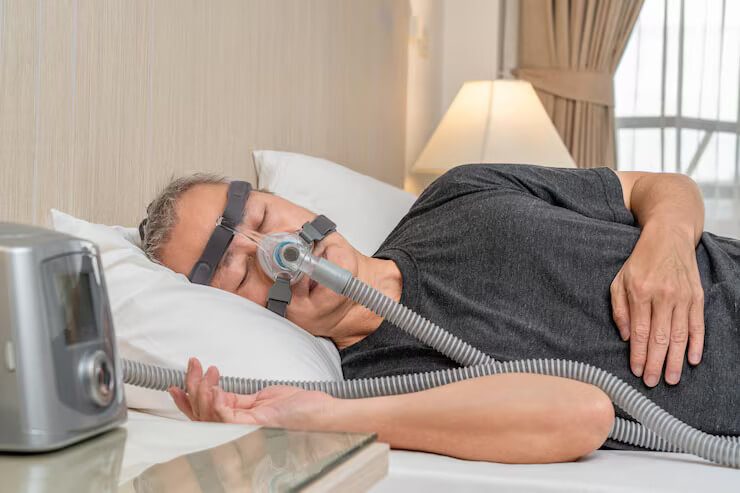
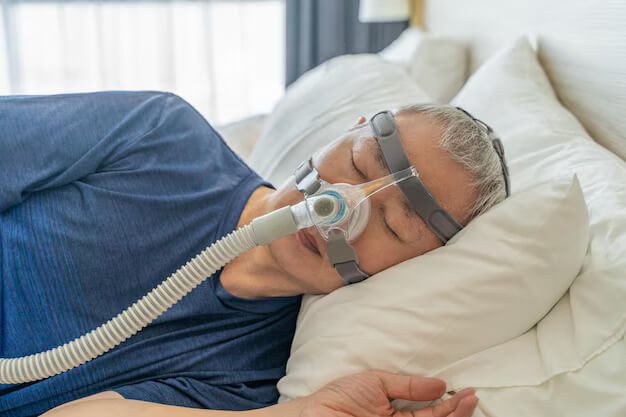
CPAP is the gold standard for treating snoring caused by sleep apnea, with a 95% success rate. The device delivers constant air pressure through a mask to keep the airway open throughout the night.
2. Oral Appliance
A device fitted in the mouth during sleep to push the lower jaw forward, opening the airway. Suitable for mild-to-moderate snoring and mild sleep apnea.
3. ENT Surgery
- Septoplasty: corrects a deviated nasal septum
- UPPP (Uvulopalatopharyngoplasty): removes excess tissue in the throat
- Tonsillectomy: removal of enlarged tonsils
4. Radiofrequency Ablation
A minimally invasive procedure that uses radio energy to tighten the soft tissue in the throat.
When Should You See a Doctor?
Consult promptly if snoring is accompanied by breathing pauses during sleep, waking with a choking feeling, excessive daytime sleepiness, morning headaches, or difficult-to-control high blood pressure. These symptoms can indicate sleep apnea, which increases the risk of heart disease, stroke, and diabetes.
Is There an Effective Anti-Snoring Medication?
To date, there is no medication scientifically proven to permanently eliminate snoring. Nasal strips or throat sprays can help temporarily but don't address the root cause. Proper treatment begins with an accurate diagnosis through a sleep study.