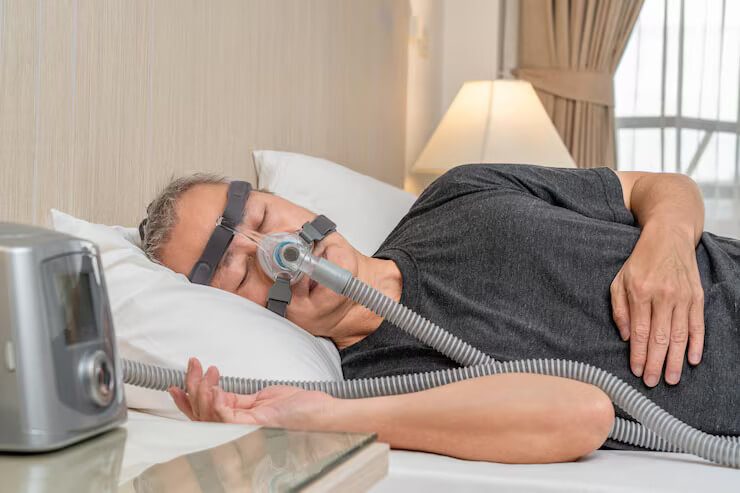
Sleep apnea is a sleep disorder characterized by repeated temporary pauses in breathing or shallow breaths during sleep. Many patients seek natural ways to relieve their symptoms, including vitamin D supplementation. But can taking excessive amounts of vitamin D actually help manage sleep apnea?
Vitamin D and Its Role in the Body
Vitamin D is well known as an essential nutrient for bone health and immune function. In addition, some research has found a link between adequate vitamin D levels and better sleep quality. Vitamin D is thought to play a role in regulating circadian rhythms and respiratory muscle function — an interesting theory for those with sleep apnea.
Preliminary Research Findings
Several early studies suggest that people with sleep apnea tend to have lower vitamin D levels. In some cases, vitamin D supplementation helped improve sleep quality and reduce daytime sleepiness.
Featured Products
ResMed AirSense 10 Autoset
ResMed's best automatic CPAP — adjusts pressure with every breath for precise, comfortable therapy throughout the night.
View Product Free ConsultationHowever, it is important to note:
- Research findings remain observational — they do not establish a cause-and-effect relationship
- Positive effects are typically seen in patients who are actually vitamin D deficient, not in those who already have normal levels
- Excessive vitamin D intake does not automatically improve sleep apnea and may in fact cause serious side effects
Risks of Excessive Vitamin D Intake
Excessively high vitamin D levels can cause hypercalcemia (excess calcium in the blood), which can trigger:
- Nausea, vomiting, and loss of appetite
- Muscle or bone pain
- Kidney problems (kidney stones)
- Irregular heartbeat
Rather than improving sleep, this condition can cause physical discomfort and further worsen sleep quality.
Our Services for You
The Right Recommendation
Before increasing your vitamin D dosage, you should:
- Check your vitamin D levels with a blood test (25-hydroxyvitamin D)
- Consult a doctor to determine the appropriate dosage for your condition
- Do not exceed the safe limit (600–800 IU per day for adults without deficiency)
The Right Medical Approach for Sleep Apnea
Vitamin D may serve as a supportive factor for sleep health, but treating sleep apnea still requires proper diagnosis and therapy:
- Sleep study (polysomnography) to assess severity
- CPAP Therapy to keep the airway open
- Lifestyle changes: weight loss, sleep position adjustment
- Oral appliance to prevent airway obstruction
Adequate vitamin D intake can support sleep and respiratory health, particularly for those who are deficient. However, taking excessive amounts of vitamin D has not been proven to cure sleep apnea. If you suspect you have sleep apnea, visit Resindo Medika for a proper diagnosis and personalized treatment plan.