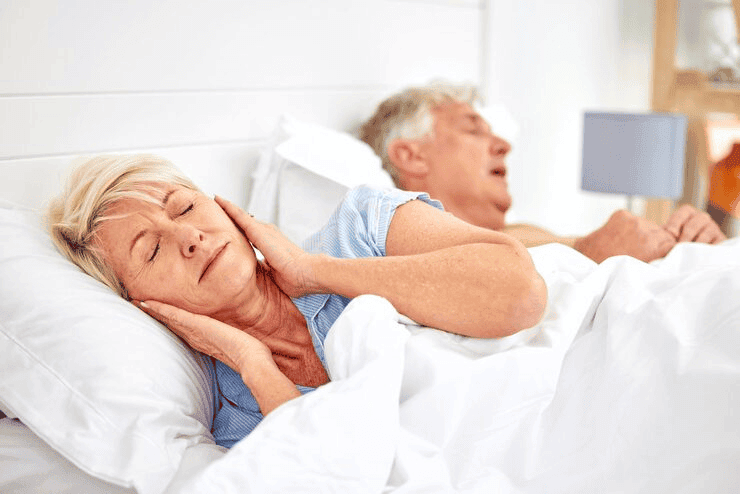
Cigarette smoke contains thousands of harmful substances that can irritate and narrow the airways. When exposure happens every day in the home environment, chronic airway inflammation can make the airways prone to blockage during sleep — the main mechanism behind obstructive sleep apnea (OSA).
How Does Cigarette Smoke Trigger Sleep Apnea?
Chronic exposure to cigarette smoke causes a series of changes in the airways:
- Mucosal inflammation and edema — the inner lining of the airway thickens and swells, narrowing the available diameter
- Cilia damage — the tiny hairs that clear mucus from the airway become dysfunctional, causing mucus buildup
- Weakening of the pharyngeal muscles — toxins in cigarette smoke damage the muscle tone that keeps the airway open
- Peningkatan produksi lendir — narrowing the airway and increasing the risk of collapse during sleep
As a result, breathing stops repeatedly at night, blood oxygen drops, and the brain wakes many times without your awareness. Sleep quality declines drastically even though sleep duration appears adequate.
Featured Product
ResMed AirSense 10 Autoset
ResMed's best automatic CPAP — adjusts pressure with every breath for precise, comfortable therapy all night long.
View Product Free ConsultationWho Is Most Vulnerable?
The passive smokers most at risk are:
- Children — smaller airways, greater inflammatory effect per unit of exposure
- Spouses of smokers — years of exposure in the same bedroom
- People with a predisposition — who already have other OSA risk factors such as obesity or a small jaw structure
Scientific Evidence
A study in the American Journal of Respiratory and Critical Care Medicine found that exposure to cigarette smoke at home increases the risk of loud snoring and OSA in both adults and children. The risk rises in proportion to the intensity and duration of exposure.
A Double Danger: The Combination of Sleep Apnea and Cigarette Smoke Exposure
This combination creates compounded health risks:
Our Services for You
- Hypertension and heart disease because oxygen repeatedly drops at night
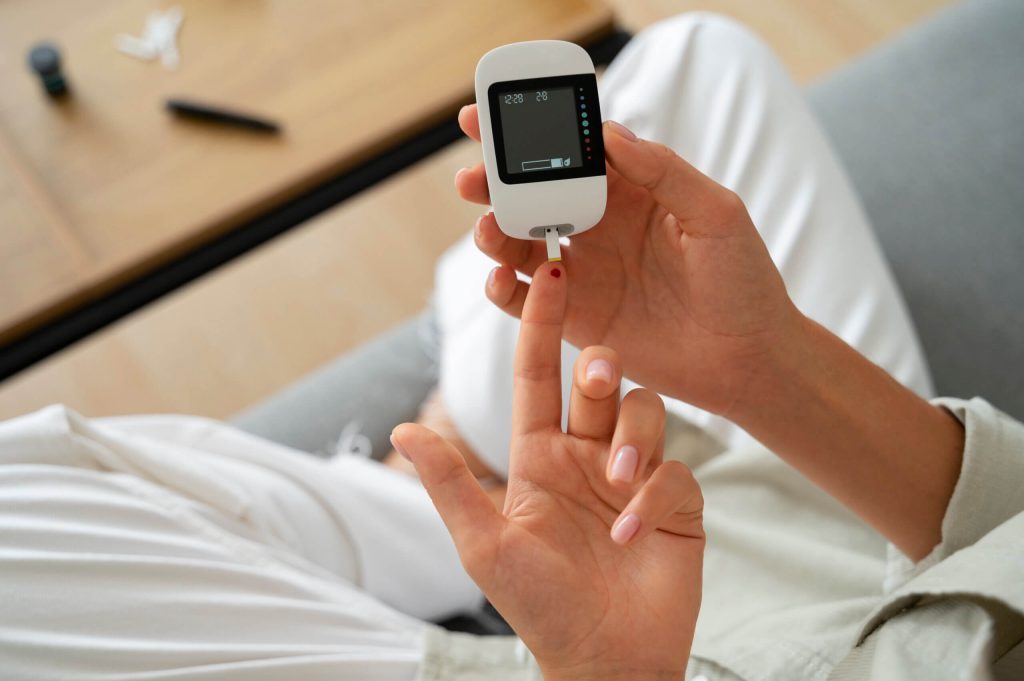
- Type 2 diabetes due to metabolic disruption
- Decline in memory and concentration
- Mood disturbances such as irritability or depression
- In children: impaired growth and development and behavioral problems
Protective Steps
- Make the home smoke-free — strict rules against smoking inside the house and car
- Improve ventilation — make sure rooms have good airflow
- Consider an air purifier — with a HEPA filter to reduce harmful particles
- Get a sleep examination — if there is frequent loud snoring or excessive fatigue, do a sleep study for early diagnosis
- Use CPAP if needed — to open the airway and ensure restful sleep throughout the night
Protecting your family from cigarette smoke exposure is an invaluable health investment. If you suspect sleep apnea in a family member exposed to cigarette smoke, Resindo Medika is ready to help with a comprehensive sleep study.