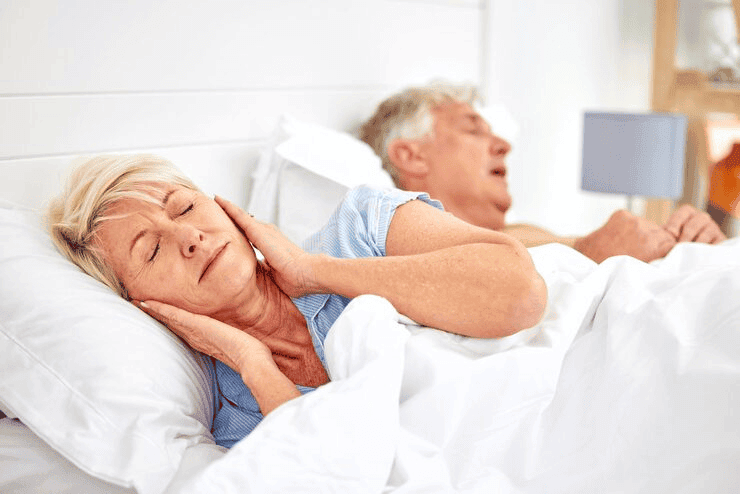
Sleep apnea in the elderly (age ≥65) is very common but often undiagnosed. Its prevalence reaches 30–50% at ages 65–74, and rises to 60–80% at ages ≥75 — far higher than in younger adults. What's concerning: the symptoms often differ from the typical presentation, making them easy to dismiss as “normal aging.”
Why Does Prevalence Increase with Age?
- Decreased muscle tone in the upper airway
- Anatomical changes: fat accumulation in the neck and pharynx
- Comorbidities: heart disease (60%), hypertension (70%), diabetes (25%)
- Medications: benzodiazepines and opioids that relax the throat muscles
Different Symptoms in the Elderly
Unlike in younger adults, symptoms in the elderly more often take the form of:
Cognitive Impairment
Short-term memory loss, morning confusion, and difficulty concentrating — often misdiagnosed as dementia or Alzheimer's.
Featured Product
ResMed AirSense 10 Autoset
ResMed's best automatic CPAP — adjusts pressure with every breath for precise, comfortable therapy all night long.
View Product Free ConsultationNocturia (Frequent Nighttime Urination)
80% of elderly people with sleep apnea experience nocturia ≥2 times a night — often mistaken for a prostate problem or urinary tract infection.
Fall Risk Increases 2–3 Times
Cognitive and balance impairments increase the risk of falls with complications like hip fractures and head injuries.
Mood Changes
Irritability, anxiety, depression, and social withdrawal — 50% of elderly people with sleep apnea show depressive symptoms.
Our Services for You
Serious Consequences if Left Untreated
- Sleep apnea increases dementia risk 2–2.5 times
- Dementia onset 10 years earlier
- Atrial fibrillation: 4 times higher risk
- A 46% increase in all-cause mortality in untreated severe cases
CPAP Therapy: Effective and Tolerable for the Elderly
Contrary to common assumptions, the elderly can use CPAP successfully. A 2022 study of 1,245 elderly people (ages 65–85) showed CPAP adherence of >4 hours/night at 68% — comparable to younger adults. Proven benefits: 72% experienced cognitive improvement, cardiovascular event risk dropped 35%, and mortality dropped 30–40%.
A Special Approach for the Elderly
Care needs to be tailored: gel masks for sensitive skin, simple large-font instructions, repeated training sessions, family-involved education, and starting at a lower CPAP pressure. Resindo Medika provides elderly-friendly evaluations with extended consultations, home sleep tests with caregiver support, and multidisciplinary coordination with other specialists.