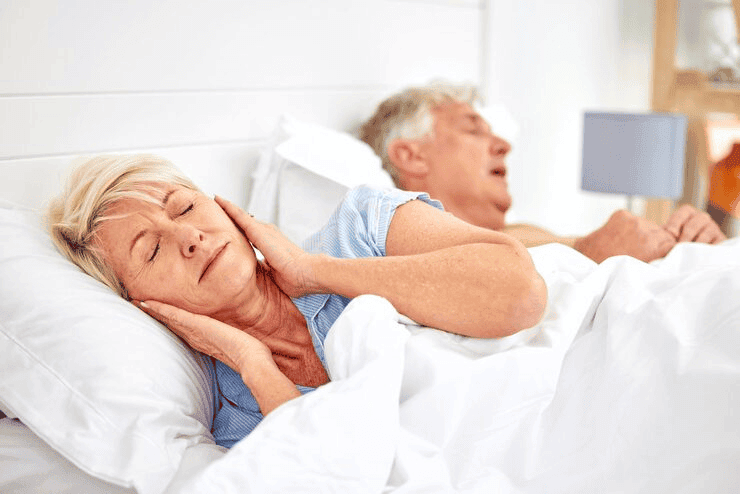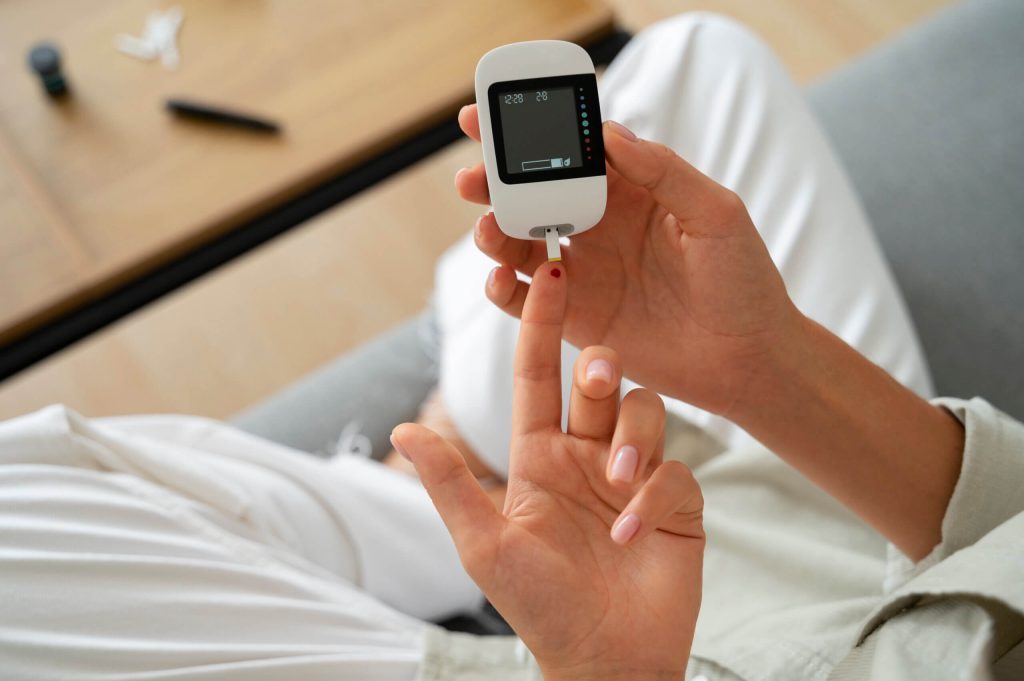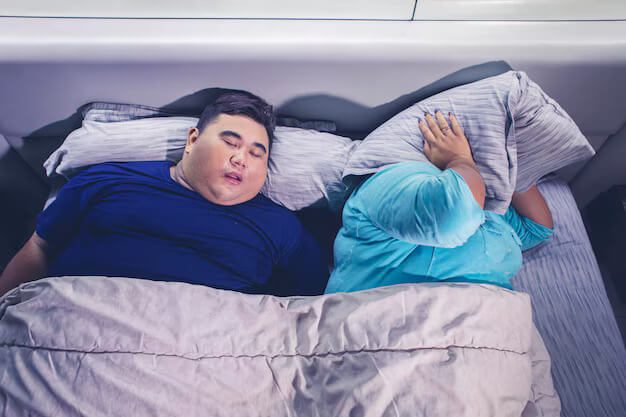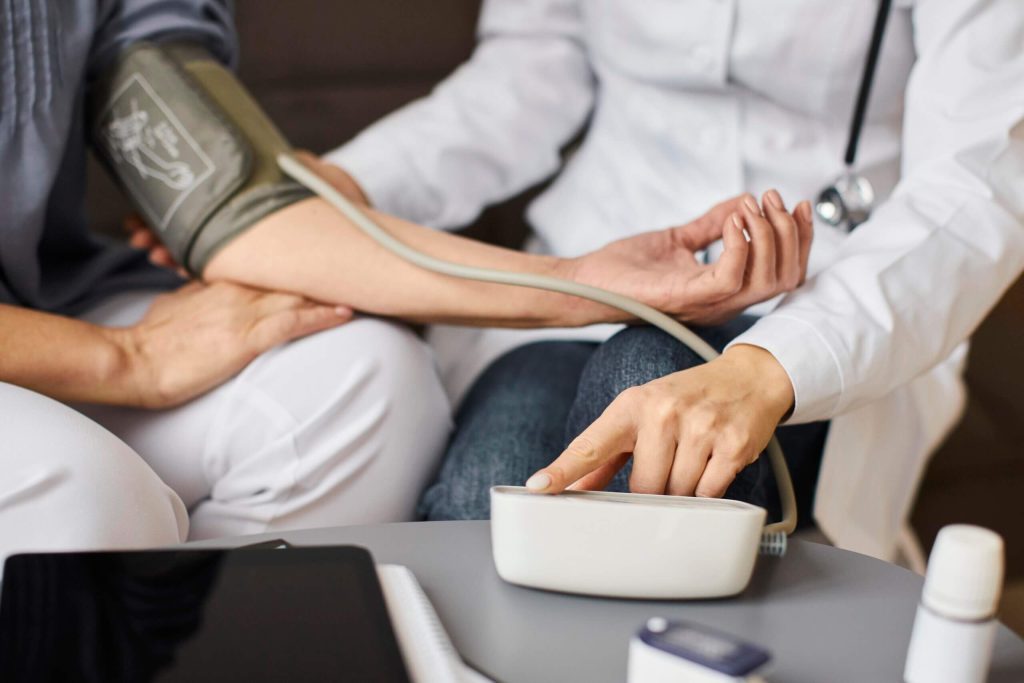
Taking your blood pressure medication regularly but the results are still suboptimal? Following a low-salt diet and exercising but your blood pressure remains stubborn? The cause may not be your heart or blood vessels — but a sleep disorder called sleep apnea.
The Hidden Link Between Sleep Apnea and Hypertension
Sleep apnea causes breathing to repeatedly stop during sleep, making blood oxygen levels drop drastically. Each time breathing stops, the body enters “panic mode” and releases stress hormones like adrenaline. These hormones speed up the heart rate and constrict blood vessels, causing blood pressure to spike.
Even more dangerous: this process happens dozens or even hundreds of times every night without you realizing it. As a result, blood pressure never truly drops even during sleep — when the body should be recovering.
Featured Product
ResMed AirSense 10 Autoset
ResMed's best automatic CPAP — adjusts pressure with every breath for precise, comfortable therapy all night long.
View Product Free ConsultationConcerning Data
Research shows that 50–60% of people with sleep apnea also have hypertension. Conversely, about 30% of patients with difficult-to-control hypertension turn out to have undiagnosed sleep apnea.
Sleep apnea specifically triggers resistant hypertension — blood pressure that does not respond to 3 or more antihypertensive medications. This explains why many patients are frustrated despite adhering to their medication.
Symptoms to Watch For
If you have difficult-to-control hypertension, watch for the following combination of symptoms:
Our Services for You
- Loud snoring every night
- Frequent urination more than 2 times a night
- Headache or dry mouth on waking
- Excessive daytime sleepiness despite enough sleep
- Difficulty concentrating or memory problems
CPAP Therapy as a Solution
When sleep apnea is treated properly — especially through CPAP therapy — many patients experience a significant drop in blood pressure. Some can even reduce their antihypertensive medication dose after consistent CPAP use.
CPAP works by keeping the airway open throughout the night, stabilizing oxygen levels and reducing excessive stress-hormone release. The result: better blood pressure control and a lower risk of cardiovascular complications.
Next Steps
If you have resistant or difficult-to-control hypertension despite being on medication, get a sleep study. It is the only definitive way to find out whether sleep apnea is the hidden cause behind your blood pressure problems. Resindo Medika provides modern sleep studies, sleep-specialist consultations, and quality CPAP therapy in Jakarta.