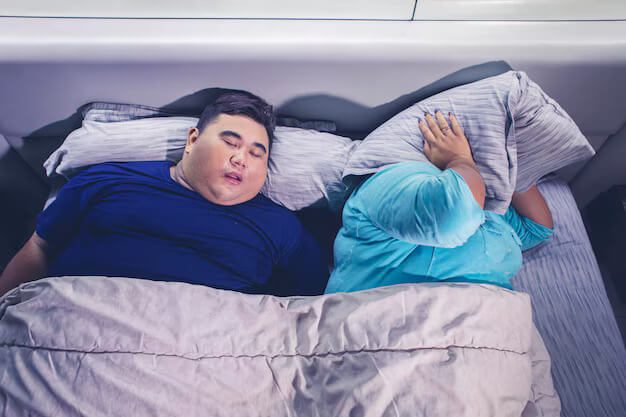
Sleep apnea and obesity create a dangerous two-way relationship — each condition worsens the other, forming a cycle that becomes harder to break without the right intervention.
How Obesity Causes Sleep Apnea
Excess fat, especially around the neck and throat, physically narrows the airway. During sleep, fatty tissue presses on the airway, making it more likely to collapse. Fat in the chest and abdomen also presses on the diaphragm, reducing lung capacity. Key statistics: 70% of people with obesity have sleep apnea; a 10% weight gain increases sleep apnea risk sixfold.
How Sleep Apnea Worsens Obesity
Sleep apnea makes weight loss extremely difficult:
Featured Product
ResMed AirSense 10 Autoset
ResMed's best automatic CPAP — adjusts pressure with every breath for precise, comfortable therapy all night long.
View Product Free Consultation- Hunger hormone disruption: Leptin (the satiety hormone) drops and ghrelin (the hunger hormone) rises — causing constant hunger, especially for high-carbohydrate foods
- Insulin resistance: Fragmented sleep makes cells unresponsive to insulin, raising blood sugar and promoting fat storage
- Slow metabolism: Poor sleep quality reduces basal metabolism by up to 20%
- Chronic fatigue: Makes exercise feel exhausting and encourages a sedentary lifestyle
- High cortisol: Elevated stress hormones trigger the buildup of visceral fat — the most dangerous type
Strategies to Break the Cycle
Treat the sleep apnea first. Research shows that consistent CPAP users lose 4–7 kg in six months without a strict diet. A 10% weight loss can reduce sleep apnea severity by 30%.
Combine diet with CPAP for results twice as fast. Start exercising gradually: a 20-minute walk per day, plus 2–3 resistance-training sessions per week. Use CPAP every night, keep a 7–8 hour sleep schedule, avoid eating 3 hours before bed, and sleep on your left side.
Scientific Evidence
JAMA research shows that a 10–15% weight loss can resolve mild sleep apnea in 50% of cases. Bariatric surgery reduces sleep apnea by 70–80%. Every kilogram lost reduces sleep apnea severity by about 3%.
Our Services for You
Resindo Medika offers a holistic approach: accurate sleep studies, CPAP therapy with adherence monitoring, nutrition consultations, specialist collaboration, and regular follow-up.