Sleep apnea and GERD (Gastroesophageal Reflux Disease) are two health disorders often thought to be unrelated. In fact, the two can worsen each other — especially at night. If you have ever woken up short of breath while also feeling stomach acid rising, you may be experiencing a combination of these two problems.
How GERD Affects Sleep Apnea
GERD occurs when stomach acid rises into the esophagus, especially when lying down. At night, acid reflux can:
- Irritate the throat — causing swelling and inflammation that narrows the airway
- Trigger laryngeal spasm — a sudden contraction of the vocal cords that causes waking with a choking sensation
- Increase mucus production — which further narrows the upper airway
How Sleep Apnea Worsens GERD
Conversely, sleep apnea also worsens GERD through a unique mechanism:
Featured Product
ResMed AirSense 10 Autoset
ResMed's best automatic CPAP — adjusts pressure with every breath for precise, comfortable therapy all night long.
View Product Free Consultation- Each apnea episode creates negative intrathoracic pressure — the body tries to breathe against a blocked airway, like drawing through a pinched straw
- This negative pressure pulls stomach acid up the esophagus, even into the throat
- Irregular breathing patterns weaken the lower esophageal sphincter
The result: a vicious cycle in which sleep apnea worsens GERD, and GERD worsens sleep apnea.
Combined Symptoms to Watch For
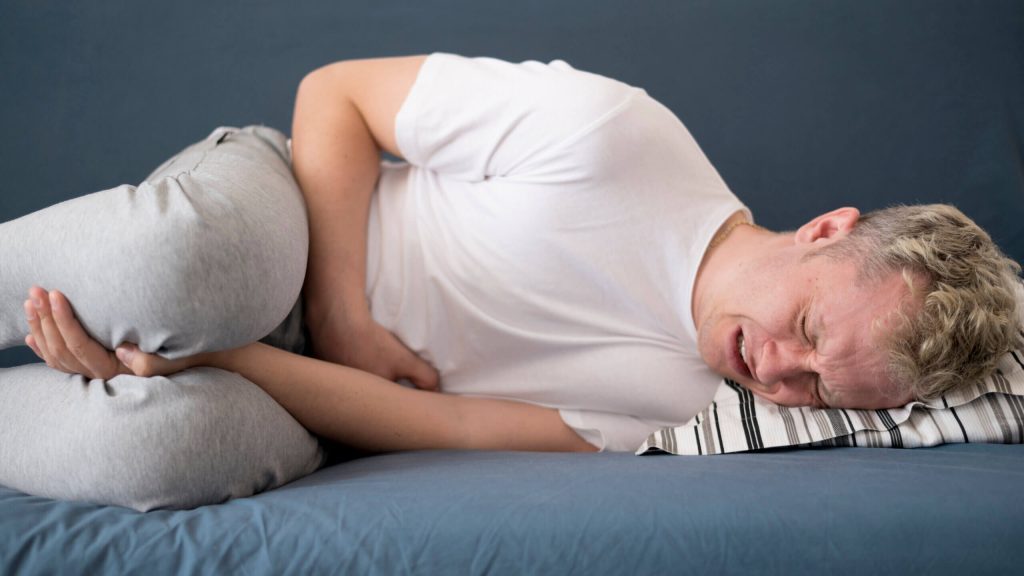
- Suddenly waking short of breath accompanied by a burning sensation in the chest
- Dry cough or a hoarse voice in the morning
- Non-cardiac chest pain occurring at night
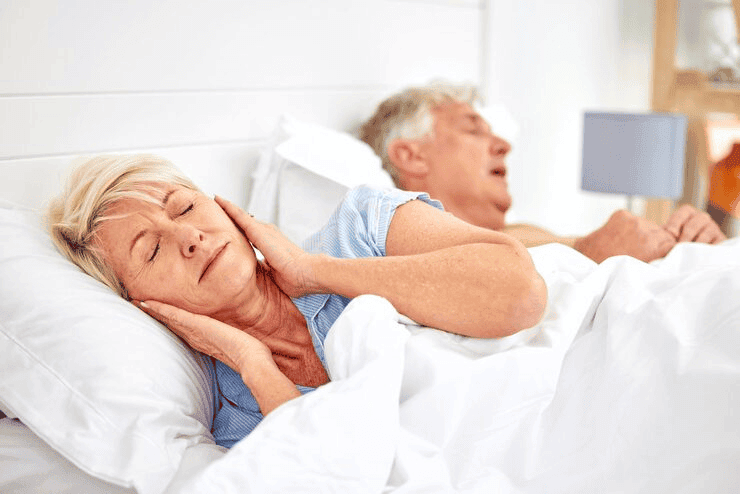
- Loud snoring accompanied by breathing pauses
- Acid regurgitation felt in the throat on waking
An Integrated Treatment Approach
Treating the combination of sleep apnea and GERD requires a dual strategy:
- Accurate diagnosis through polysomnography to determine the severity of sleep apnea
- CPAP Therapy — which not only treats sleep apnea but also mechanically prevents the negative pressure that triggers reflux
- GERD management:
- Avoid eating 3 hours before bed
- Elevate the head of the bed 15–20 cm (use a wedge pillow under the mattress)
- Avoid trigger foods: chocolate, coffee, fatty foods, alcohol
- Consult a doctor for medical therapy if needed
- Left-side sleeping position — helps reduce reflux and open the airway at the same time
Why Early Treatment Matters
An untreated combination of sleep apnea and GERD can cause serious complications: Barrett's esophagus (changes in esophageal cells that increase cancer risk), aspiration pneumonia, and accelerated cardiovascular complications from sleep apnea.
Our Services for You
Many people consider snoring or acid reflux to be trivial. In fact, this combination can shorten life expectancy if left untreated. Resindo Medika provides sleep examination services with the latest technology and consultations with experienced medical staff. Contact us now for a comprehensive evaluation.