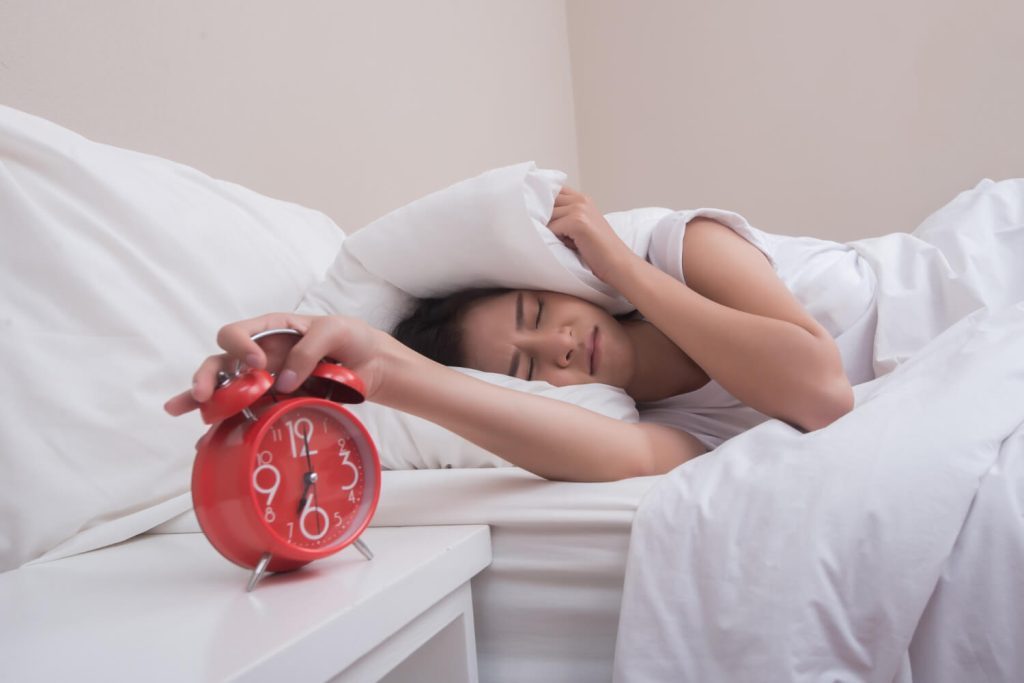
Sleep apnea is a sleep disorder that causes temporary pauses in breathing during sleep, negatively affecting sleep quality and overall health. To effectively manage sleep apnea, it is important for sufferers to adopt good sleep habits. Here are some steps that can be taken:
Maintaining a Comfortable and Quiet Sleep Environment
A comfortable and quiet sleep environment is essential for people with sleep apnea. Make sure the bedroom is free from excessive noise and light. Using blackout curtains or a sleep mask can help create the ideal dark atmosphere for sleep. In addition, keeping the room at a cool temperature—around 18–22 degrees Celsius—can help improve sleep quality.
Featured Products
ResMed AirSense 10 Autoset
ResMed's best automatic CPAP — adjusts pressure with every breath for precise, comfortable therapy throughout the night.
View Product Free ConsultationChoosing the right mattress and pillow is also important. A mattress that properly supports the body and a comfortable pillow can help maintain an optimal sleeping position. Consider using a pillow specially designed for sleep apnea sufferers to help keep the airway open.
Finding the Optimal Sleep Position to Reduce Sleep Apnea Symptoms
The right sleep position can significantly reduce sleep apnea symptoms. Sleeping on your back can cause the tongue and soft tissues in the throat to fall backward, blocking the airway. Therefore, sleeping on your side is the recommended position. Side sleeping can help keep the airway open and reduce apnea episodes.
Our Services for You
To maintain a side-sleeping position, use a support pillow behind your back or a long body pillow to hug. Some people also find benefit in using a wedge-shaped pillow that elevates the head and upper back, helping to reduce pressure on the airway.
Adequate Sleep Requirements for Sleep Apnea Sufferers
Getting enough sleep is crucial for people with sleep apnea. Sleep deprivation can worsen sleep apnea symptoms and increase the risk of other health problems. Adults generally need 7–9 hours of sleep per night. Establishing a consistent sleep schedule—going to bed and waking up at the same time every day—can help the body regulate its circadian rhythm and improve sleep quality.
In addition, avoid caffeine and heavy meals for several hours before bedtime, and establish a relaxing pre-sleep routine—such as reading a book or taking a warm bath—to help the body prepare for sleep.
For more information on managing sleep apnea and getting the right medical advice, visit the website of Resindo Medika. There, you can find a wide range of resources and consultation services from experts who can help you live a healthier life and improve your sleep quality. Do not hesitate to reach out to the professional team at Resindo Medika for the help you need.
By maintaining a comfortable sleep environment, optimizing your sleep position, and ensuring adequate sleep, sleep apnea sufferers can significantly reduce their symptoms and improve their overall quality of life. Support from healthcare professionals is also essential for receiving the right treatment and guidance.