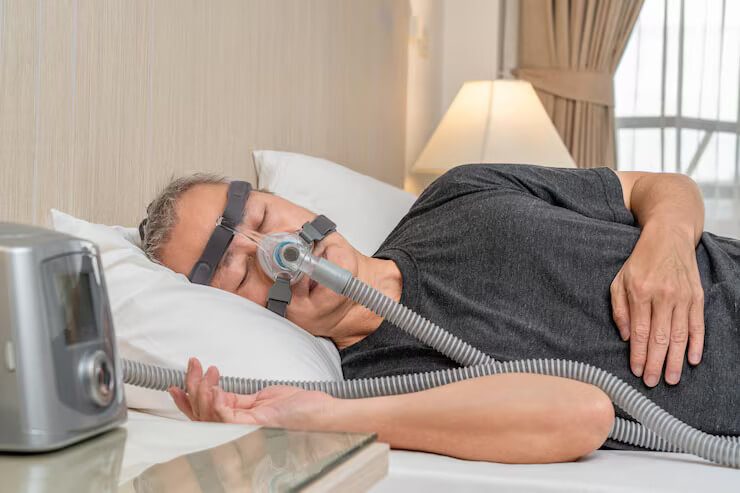
CPAP therapy is designed to treat sleep apnea by delivering pressurized air into the airway during sleep. But did you know that the effectiveness of your therapy can still decline even if you are using CPAP consistently?
CPAP therapy consists of 3 main components: the therapy device or CPAP machine, the hose or tubing , and the mask. The CPAP mask is the critical component that delivers pressurized air into the airway. It must be maintained and cleaned regularly to support optimal therapy outcomes.
Unfortunately, many users underestimate the importance of keeping their CPAP mask clean. Without proper cleaning and a scheduled replacement of CPAP mask parts, you may not be getting the full benefit of your therapy.
Featured Product
ResMed AirSense 10 Autoset
ResMed's best automatic CPAP — adjusts pressure with every breath for precise, comfortable therapy throughout the night.
View Product Free ConsultationDon't let your CPAP therapy go to waste. Keep your therapy working at its best by learning about the different parts of your CPAP mask and the benefits of maintaining and cleaning it regularly.
Understanding the Parts of a CPAP Mask
A CPAP mask consists of several components, each with its own care instructions and replacement schedule. By familiarizing yourself with each part, you will find it easier to know what to look for when inspecting your mask and when it is time to replace certain components.
In general, regardless of type or model, a CPAP mask is made up of the following parts:
Our Services for You
Cushion
Cushion is the most essential part of a CPAP mask, responsible for directing the flow of pressurized air into the patient's nose and airway. Cushion CPAP masks are generally made of rigid plastic with a soft silicone or foam lining on the underside that rests against the skin.
Cushion The CPAP mask is the part that comes into direct contact with the nose and mouth, making cleanliness especially important. Clean the cushion of your CPAP mask daily to remove bacteria, dirt, and oils that accumulate after use.
For cushions cushion made of silicone, avoid cleaners with high alcohol content, as they can cause the cushion to harden prematurely, preventing it from sealing properly against the face and making it uncomfortable to wear. silicone You should also inspect the cushion regularly. Tears or small holes can cause air leaks. Additionally, an aged cushion may become too soft and lose its ability to hold pressure effectively. Ideally,
You should also perform regular inspections of the silicone cushion. Small tears or holes can cause air leaks. In addition, a cushion that is too old may develop a softer texture and become unable to maintain air pressure effectively. Ideally, silicone the cushion CPAP mask cushion should be replaced every 1 month.
Elbow
Elbow is the part of a CPAP mask that connects the mask to the CPAP tubing. Elbow It is typically shaped as a connector or short small tube that can be easily attached and detached. The shape and size of the elbow vary between mask types.
On the AirFit N20 Nasal Mask and AirFit P10 Nasal Pillow Mask, the elbow elbow consists of a short, flexible tubing that can stretch. With this type, elbow you should check carefully for any small holes or fine tears. Although they may seem minor, such damage can cause air leaks that reduce therapy effectiveness.
In addition to the elbow short tubing type, there is also an elbow elbow in the form of a connector that directly links the mask to the CPAP tubing, such as on the AirFit F20 Full Face Mask, AirFit N30i Nasal Cradle, and AirFit P30i Nasal Pillow Mask. Check for any cracks or small broken pieces, as these can prevent the elbow elbow from fitting properly.
Ideally, the elbow elbow should be cleaned daily and replaced every 8 months, or sooner if it becomes damaged.
Frame
Frame is the part of a CPAP mask that acts as a frame to which the cushion cushion attaches and which connects to the mask headgear. Frame It is made from a sturdy yet slightly flexible material and is lined with a soft fabric on the side that contacts the skin.
Frame The mask frame does not need to be washed as frequently as the cushion dan elbow. Frame cushion. The CPAP mask frame can be cleaned every 2 days or whenever it becomes visibly soiled. In addition, the frame should also be replaced every 3 months, or sooner if it cracks or breaks.
Headgear
Headgear is the CPAP mask strap that keeps all parts of the mask securely and comfortably in place. Headgear The CPAP mask headgear features clips and straps that allow you to adjust the tightness of the mask.
Headgear It is generally made from a breathable, soft and elastic. You need to wash the headgear mask every two days, or daily if you tend to sweat heavily during sleep. Avoid scrubbing the velcro too harshly, as this can reduce the mask's adhesiveness.
Replace immediately headgear after 8 months, or if it has become loose, broken, torn, or the clips velcro no longer hold securely. Headgear that is not secure can cause the CPAP mask to feel ill-fitting and uncomfortable, and make the mask prone to air leaks.
Benefits of Cleaning Your CPAP Mask
Cleaning and maintaining your CPAP mask may seem like an extra chore for some people. However, keeping your CPAP mask clean can actually provide significant benefits. The benefits of cleaning your CPAP mask include:
Better Sleep Quality
A clean, well-maintained CPAP mask feels comfortable to wear, helping you sleep more soundly and restfully throughout the night. In fact, users who regularly clean and replace their CPAP mask accessories sleep 24% longer when using their CPAP therapy device.
Greater Comfort and Adherence to CPAP Therapy
Cleaning and maintaining your CPAP mask helps you feel more comfortable and consistent with your CPAP therapy. Regular CPAP use can effectively manage sleep apnea so your body feels more refreshed and energized.
Effective and Optimal Therapy
A clean CPAP mask supports consistent use of the therapy device. Users do not feel uncomfortable and can continue their CPAP therapy without interruption. In addition, well-maintained therapy accessories help prevent factors that contribute to CPAP therapy failure and ensure optimal therapy outcomes.
Schedule for Cleaning and Replacing CPAP Mask Components
Now you know how important it is to regularly and consistently clean and replace the parts of your CPAP mask. To help you keep track, you can save the following cleaning and replacement schedule for your CPAP mask components.
- Cushion : Wash daily; replace every 1 month or if the cushion cushion hardens, changes texture and becomes soft, discolors, cracks, or tears.
- Elbow : Wash daily; replace if it elbow discolors, becomes damaged, or cracks.
- Frame : Wash every 1–2 days; replace every 3 months or if it frame breaks or becomes damaged.
- Headgear : Wash every 1–2 days; replace every 8 months or if it headgear has become loose and is no longer elastic.
Conclusion
Maintaining cleanliness and properly caring for your CPAP mask is essential to getting the most out of your CPAP therapy. Don't let nightly therapy sessions go to waste while your body continues to experience symptoms of sleep apnea that disrupt your well-being.
Make sure you get genuine, high-quality replacement CPAP mask accessories only from Resindo Medika. Resindo Medika has been the official ResMed distributor in Indonesia since 2004. CPAP therapy accessories and spare parts at Resindo Medika are complete, authentic, and officially registered in accordance with regulatory standards in Indonesia.
Start cleaning and maintaining your CPAP mask regularly today. We hope this information is helpful.
ResMed: Replacing CPAP supplies and equipment. Accessed 2023.
ResMed: 3 reasons to replace your CPAP mask parts regularly. Accessed 2023.
ResMed: Benefits of regularly cleaning and replacing your CPAP mask. Accessed 2023.