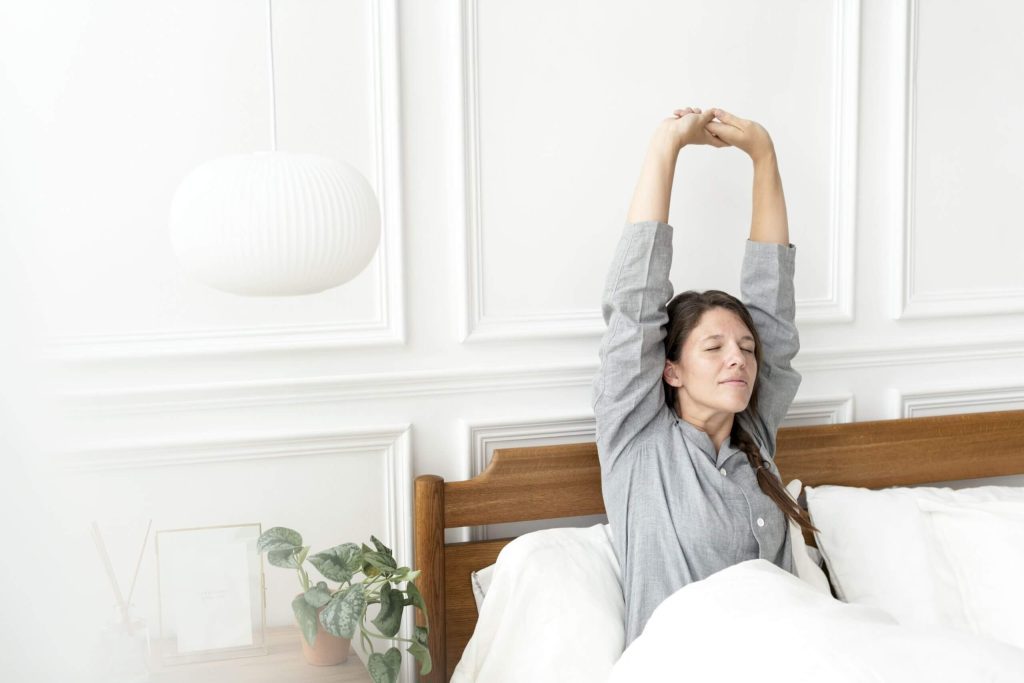
As people age, they experience significant changes in their sleep patterns. This is why the elderly are particularly vulnerable to sleep disorders. Not only do they have difficulty falling asleep, but older adults also frequently wake up in the middle of the night and struggle to fall back asleep.
Types of Sleep Disorders in the Elderly
- Insomnia
Insomnia is a common sleep disorder that can affect anyone, meaning the elderly are also at high risk of experiencing this condition. One of the most common symptoms of insomnia is difficulty falling asleep at night. In some cases, sufferers may remain awake until morning without any sleep or rest at all.Featured Product
ResMed AirSense 10 Autoset
ResMed's best automatic CPAP — adjusts pressure with every breath for precise, comfortable therapy throughout the night.
View Product Free ConsultationThis condition is also characterized by frequently waking up in the middle of the night, often for reasons that are unclear or unknown. Insomnia makes it difficult for a person to achieve quality sleep at night. There are many factors that can contribute to insomnia, including lifestyle habits, psychological disorders, health conditions, side effects of certain medications, and age-related factors.
- Circadian Rhythm
The elderly are prone to circadian rhythm disorders, a term used to describe disruptions in the body's internal biological clock. The circadian rhythm is the body's biological clock that regulates brain wave activity, cell regeneration, hormone production, and the human sleep-wake cycle. As time goes on, the circadian rhythm gradually weakens. In other words, this disorder is one of the most common sleep problems experienced by older adults. - Sleep Apnea
This sleep disorder is also quite common among the elderly. Sleep apnea occurs when the respiratory system is obstructed by the walls of the throat, causing them to relax and narrow during sleep. Unfortunately, sleep apnea can have fatal consequences and may even be life-threatening.
Tips to Overcome Them
If the sleep disorders experienced by the elderly involve insomnia or circadian rhythm disruption, the recommended approach is to adopt a healthy lifestyle — such as exercising regularly, paying attention to daily nutritional intake, and establishing a consistent sleep schedule.
However, if the sleep disorder points to sleep apnea, in addition to maintaining a healthy lifestyle, CPAP therapy is strongly recommended. CPAP therapy is a treatment method that delivers pressurized air into the airway to address sleep apnea. By undergoing therapy with a CPAP therapy device, sleep apnea symptoms such as loud snoring can be eliminated, sleep quality improves, and fatigue, headaches, and excessive daytime sleepiness can also be reduced.
Our Services for You
For complete information about the best CPAP therapy devices, you can visit Resindo Medika. Your one-stop solution for all your CPAP therapy needs.