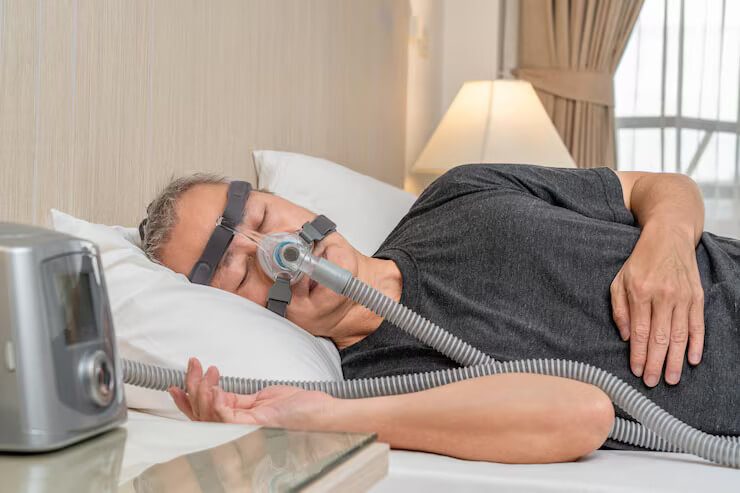
Sleep apnea is a serious sleep disorder that can significantly impact a person's health and quality of life. However, with the rapid advancement of technology, the latest innovations in sleep apnea management offer more effective and comfortable solutions. This article explores several cutting-edge technologies that are helping patients manage sleep apnea.
- Latest Continuous Positive Airway Pressure (CPAP) Advancements:
CPAP has long been one of the primary methods for treating sleep apnea. Recent technological advances, however, have brought significant improvements to CPAP devices. The latest CPAP machines feature lighter, more ergonomic designs along with sophisticated capabilities such as automatic pressure adjustment and algorithms tailored to individual sleep patterns — making them more comfortable and easier to customize to each patient's needs. - Adaptive Servo-Ventilation (ASV)
ASV technology is a recent innovation specifically designed to address central sleep apnea. ASV devices automatically adjust air pressure to ensure the correct airflow matches each individual's breathing needs, helping to reduce apnea episodes and improve patient comfort. - Smart Sleep Trackers
Smart sleep trackers are small devices that can be worn or placed on the bed to monitor a person's sleep patterns. They use advanced sensor technology to track body movement, heart rate, and breathing. Apps paired with smart sleep trackers can provide deeper insight into sleep quality and help detect symptoms of sleep apnea. Some can even offer recommendations for improving sleep habits. - Telemedicine and Remote Consultations
Telemedicine technology has enabled patients to consult with doctors and sleep specialists without visiting a clinic or hospital in person — a major benefit for those living in remote areas or with limited mobility. Remote consultations can cover symptom evaluation, adjustments to CPAP device settings, and monitoring of patient progress. - Artificial Intelligence (AI) Applications
Artificial intelligence has made a significant impact on sleep apnea management. AI-enabled devices can monitor sleep patterns, identify apnea episodes, and automatically adjust device settings to suit each patient's needs. The use of AI can help improve treatment efficiency and deliver more personalized solutions. - Positional Therapy
Some of the latest innovations include devices designed to help maintain specific sleep positions that can reduce airway obstruction. These devices may deliver gentle vibrations or stimuli to encourage patients to remain in the optimal sleeping position for managing sleep apnea. - Wearable Devices for Long-Term Monitoring
Wearable devices — such as smart bands or body-worn sensors — can provide long-term monitoring of a person's activity and sleep patterns. Data collected from these wearables can help doctors and patients track changes in sleep apnea symptoms and assess the effectiveness of treatment.
As technology continues to advance, sleep apnea management is becoming more accessible, effective, and tailored to individual needs. While these innovations are promising, it is important to always consult a healthcare professional before making significant changes to your sleep apnea treatment. With the adoption of the latest technology, it is hoped that more people will be able to manage sleep apnea more effectively and experience a meaningful improvement in their quality of life.
Share:
Featured Products
ResMed AirSense 10 Autoset
ResMed's best automatic CPAP — adjusts pressure with every breath for precise, comfortable therapy throughout the night.
View Product Free Consultation