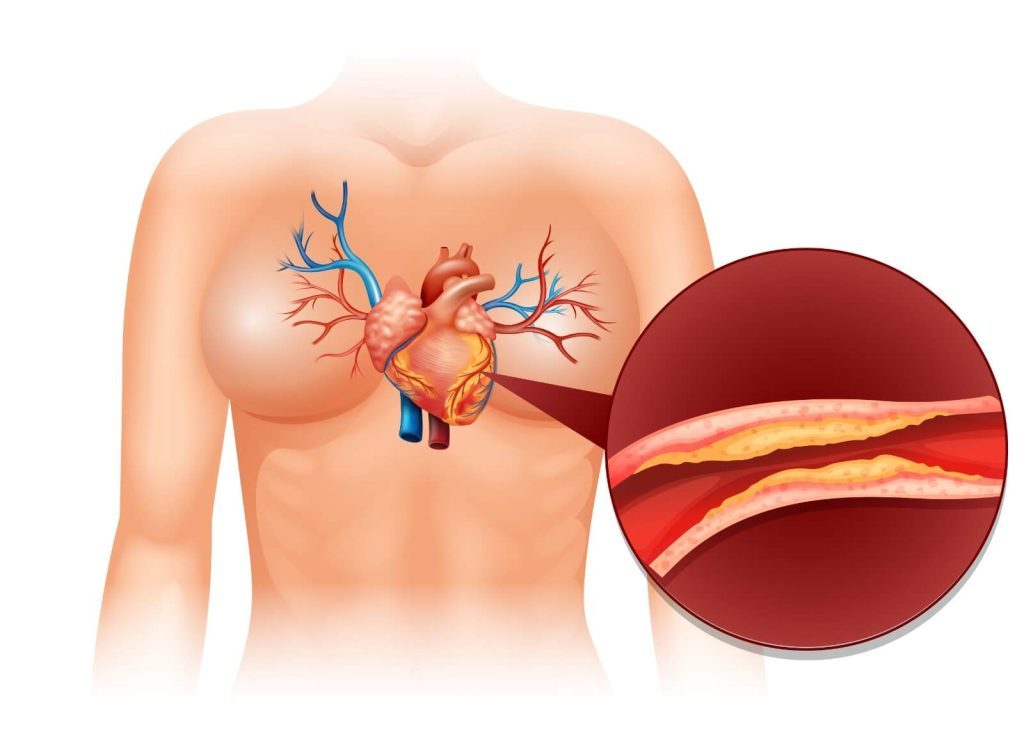
Sleep apnea and heart health are far more closely linked than most people realize. This sleep disorder doesn't just cause fatigue — over time, sleep apnea can damage arterial blood vessels and significantly increase the risk of serious cardiovascular disease.
What Is Sleep Apnea?
Sleep apnea occurs when a person experiences repeated pauses in breathing during sleep, typically because the airway narrows or temporarily closes. Each time breathing stops, blood oxygen levels drop and the body works hard to restore normal breathing. These episodes can occur dozens or even hundreds of times per night, creating physiological stress that affects the heart and blood vessels.
Why Is Sleep Apnea Dangerous for the Heart?
Sleep apnea disrupts cardiovascular function through complex biological mechanisms: repeated drops in blood oxygen, increased sympathetic nervous system activity, blood pressure spikes, and chronic oxidative stress and inflammation. This combination of factors gradually damages blood vessels.
Featured Products
ResMed AirSense 10 Autoset
ResMed's best automatic CPAP — adjusts pressure with every breath for precise, comfortable therapy throughout the night.
View Product Free ConsultationThe Impact of Sleep Apnea on Arterial Blood Vessels
Damage to the Inner Arterial Lining (Endothelium)
The inner lining of the arteries (endothelium) plays a key role in maintaining smooth blood flow. In people with sleep apnea, fluctuating oxygen levels trigger oxidative stress, chronic inflammation develops, and endothelial function is impaired — making blood vessels stiffer and less responsive.
Arterial Plaque Formation (Atherosclerosis)
Sleep apnea accelerates the buildup of plaque inside the arteries through chronic inflammation, endothelial damage, and metabolic changes. Accumulated plaque narrows the arteries, significantly increasing the risk of heart attack and stroke.
Blood Pressure Spikes During Sleep
Each apnea episode triggers a sympathetic nervous system response, abruptly raising heart rate and blood pressure. Repeated episodes every night can lead to chronic hypertension that damages arterial walls.
Our Services for You
Intermittent Hypoxia
Repeated drops in oxygen during sleep increase free radicals, trigger inflammation, and accelerate vascular damage — and this is the strongest predictor of cardiovascular disease risk in people with sleep apnea.
How to Reduce the Risk of Cardiac Damage
Effective management of sleep apnea includes CPAP therapy, weight loss, avoiding alcohol before bed, maintaining proper sleep position, and managing related conditions such as hypertension and diabetes.
Protect Your Heart with the Right Treatment
If you experience loud snoring, frequent nighttime awakenings, or excessive daytime sleepiness, seek medical evaluation promptly. Resindo Medika provides sleep diagnostic testing, CPAP therapy, and specialist consultations to improve your sleep quality while protecting your cardiovascular health.