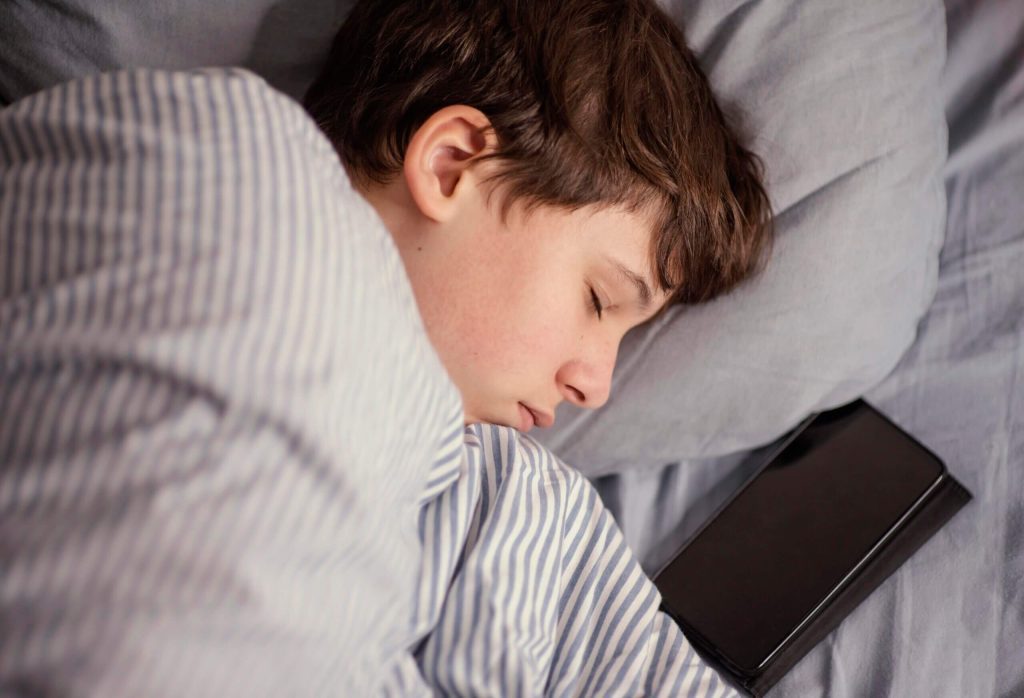
Sleep apnea, a breathing disorder during sleep, is not exclusive to adults. Children can also be affected, particularly by a type known as Obstructive Sleep Apnea (OSA). This condition often goes undiagnosed because its symptoms can resemble normal sleep behavior. However, if left untreated, OSA can impact a child's growth, concentration, and academic development, especially during school age. Recognizing the early signs of sleep apnea in children is therefore essential.
What Is Obstructive Sleep Apnea (OSA) in Children?
OSA in children occurs when the upper airway becomes blocked during sleep, making it difficult for the child to breathe. Causes can vary, ranging from enlarged tonsils or adenoids to obesity. If left untreated, OSA can lead to a range of health problems, including behavioral issues, learning difficulties, and a reduced quality of life.
6 Early Signs of Sleep Apnea in Children
1. Consistent Snoring
Snoring is one of the primary signs of OSA in children. If your child snores almost every night, especially loudly or irregularly, it could be an indication of sleep apnea.
Featured Product
ResMed AirSense 10 Autoset
ResMed's best automatic CPAP — adjusts pressure with every breath for precise and comfortable therapy throughout the night.
View Product Free Consultation2. Sudden Awakenings with Shortness of Breath
A child who suddenly wakes up due to shortness of breath, coughing, or choking during sleep may be experiencing breathing disruptions caused by OSA.
3. Changes in Breathing Patterns During Sleep
Watch for noticeable pauses in your child's breathing during sleep. These are usually followed by gasping or labored breaths.
4. Difficulty Focusing and Learning Problems
OSA can make it hard for children to concentrate at school. If your child shows signs of ADHD or declining academic performance, it may be related to poor sleep quality caused by OSA.
Our Services for You
5. Restless Sleep
Children with OSA often sleep in unusual positions or move around excessively during sleep, as their body attempts to reopen the blocked airway.
6. Daytime Fatigue and Sleepiness
Despite sleeping for extended hours, children with OSA still feel tired or drowsy during the day. This is a sign that their sleep is not restorative.
First Steps to Addressing Sleep Apnea in Children
If you suspect your child has OSA, here are steps you can take:
- Consult a Pediatrician: Ask for a referral to an ENT specialist or sleep doctor for further evaluation.
- Observe Sleep Habits: Keep a record of your child's sleep patterns, including the frequency of snoring or breathing pauses.
- Consider a Sleep Study (Polysomnography): This test can be conducted at a healthcare center to accurately diagnose sleep apnea.
- Improve Your Child's Lifestyle: If your child is overweight, encourage healthy eating habits and regular physical activity.
Why Choose Resindo Medika for Sleep Apnea in Children?
As a trusted sleep apnea care center in Jakarta, Resindo Medika offers comprehensive solutions for the diagnosis and treatment of OSA in children. Here are the benefits you can expect:
- Pediatric Sleep Study: Accurate diagnosis to identify sleep apnea in your child.
- Consultation with Pediatric and ENT Specialists: Our experienced doctors will help determine the best therapy for your child's condition.
- Modern Treatment Services: Resindo Medika provides a range of solutions, from CPAP therapy to surgical recommendations when necessary.
- Child-Friendly Approach: The Resindo Medika team prioritizes your child's comfort throughout the diagnosis and treatment process.
Conclusion
Sleep apnea in children, particularly OSA, is a serious condition that requires special attention. Recognizing early signs such as snoring, breathing pauses, or daytime fatigue can help you take action sooner. If you are in Jakarta, visit Resindo Medika for trusted sleep apnea diagnosis and treatment services. With the right care, your child can enjoy quality sleep and grow to their full potential.