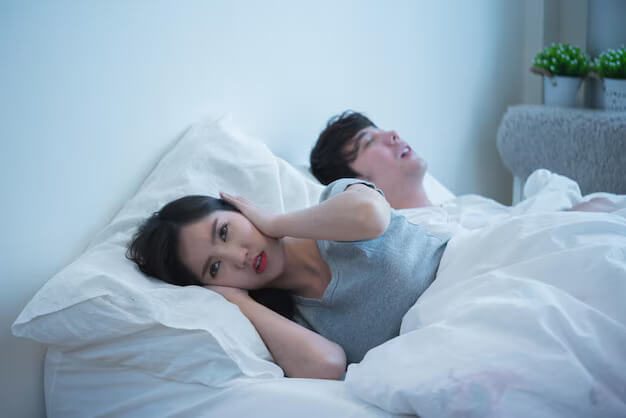
Snoring is often considered a problem exclusive to adults or the elderly. In reality, snoring can occur at any age — from children and teenagers to adults. More importantly, not all snoring is normal. In some cases, snoring is an early sign of sleep apnea that requires prompt medical attention.
Snoring in Children: When Should You Be Concerned?
In children aged 3–6 years, the most common cause is enlarged tonsils or adenoids. Warning signs to watch for:
- Loud snoring nearly every night
- Breathing through the mouth during sleep
- Unusual sleeping positions (head hanging off the bed or sitting upright)
- Frequent waking or restless sleep
- Bedwetting after having already stopped
- Hyperactivity or excessive daytime fatigue
- Declining school performance or difficulty concentrating
Sleep apnea in children can interfere with physical growth and cognitive development, as repeated oxygen deprivation affects growth hormone production and brain function.
Featured Products
ResMed AirSense 10 Autoset
ResMed's top auto-adjusting CPAP — automatically adapts pressure with every breath for precise, comfortable therapy throughout the night.
View Product Free ConsultationSnoring in Teenagers: New Risk Factors
During adolescence, lifestyle factors begin to play a role alongside anatomical ones: weight gain, chronic sleep deprivation from device use, and high-sugar diets. Symptoms that are often overlooked include excessive daytime sleepiness at school, mood swings, declining academic performance, and worsening acne due to hormonal disruption.
Young Adults (Ages 20–40)
Snoring that first appears at this age is often triggered by weight gain, work-related stress, or hormonal changes following childbirth. Suspect sleep apnea if snoring occurs every night, your partner notices you stopping breathing, or you wake up with headaches despite getting 7–8 hours of sleep.
Age 40+: Increasing Risk
As we age, the muscles of the airway weaken and metabolism slows, increasing the risk of sleep apnea. At this stage, the condition is often accompanied by serious complications such as hypertension, heart disease, and diabetes. Early detection is essential to prevent permanent damage.
Our Services for You
When Should You See a Doctor Right Away?
Regardless of age, seek a sleep study immediately if:
- Loud snoring accompanied by breathing pauses observed by others
- Frequently waking up gasping or feeling short of breath
- Excessive daytime sleepiness despite getting plenty of sleep
- High blood pressure that is difficult to control
- In children: growth disturbances or behavioral problems
Resindo Medika: Care for All Ages
Resindo Medika provides sleep apnea assessments for all age groups: pediatric sleep studies in a comfortable environment, home sleep tests for teenagers and adults, specialist medical consultations, and comprehensive care from diagnosis through treatment.