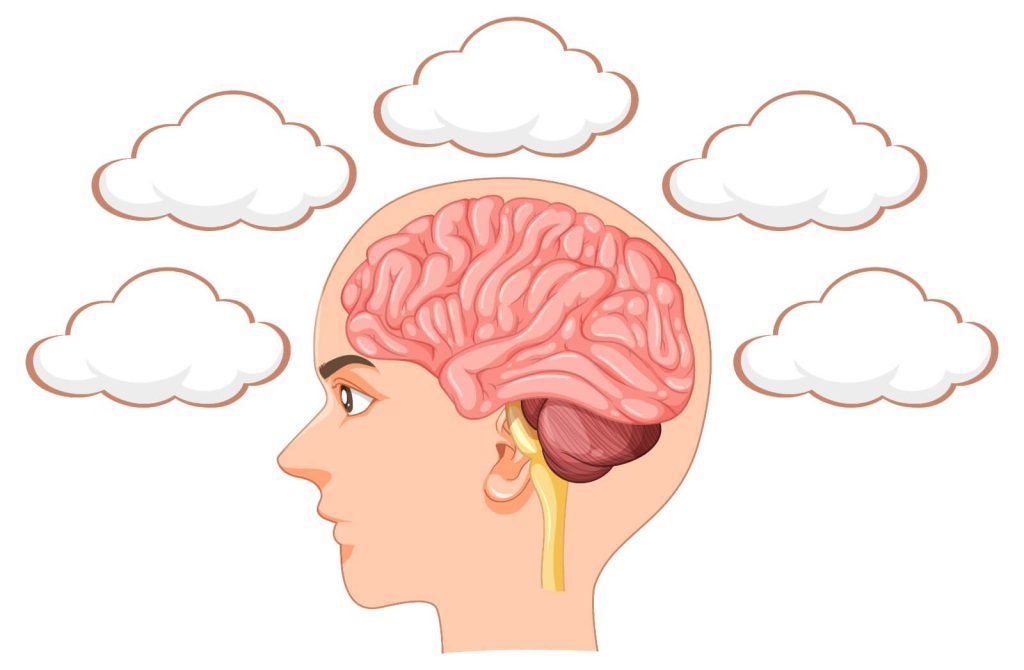
Sleep apnea and dementia are frequently linked in recent medical research. This breathing disorder during sleep — often dismissed as "just" loud snoring — can silently damage brain blood vessels and significantly increase the long-term risk of dementia.
What Is Sleep Apnea?
Sleep apnea is a sleep disorder characterized by repeated, temporary pauses in breathing during sleep, which can occur dozens to hundreds of times per night. Each episode briefly forces the brain to rouse the body to restore breathing — fragmenting sleep quality and preventing adequate rest.
Impact on Brain Blood Vessels
Repeated breathing disruptions lower blood oxygen levels, placing stress on blood vessels and brain tissue. Research shows that sleep apnea is associated with changes in the small blood vessels of the brain, which can impair cerebral blood flow and increase the risk of neurological disorders.
Featured Products
ResMed AirSense 10 Autoset
ResMed's best-in-class automatic CPAP — adjusts pressure with every breath for precise, comfortable therapy throughout the night.
View Product Free ConsultationThe Link Between Sleep Apnea and Dementia
A study from the British Medical Journal found that sleep apnea can increase the risk of cognitive decline and dementia, particularly in older adults. Chronic oxygen deficiency and disrupted sleep affect brain regions responsible for memory, concentration, and cognition — potentially accelerating cognitive deterioration.
Furthermore, research from Michigan Medicine indicates that sleep apnea in older adults is associated with a higher risk of dementia, especially in women — likely related to hormonal factors and age-related changes in sleep quality.
Symptoms to Watch Out For
The following combination of symptoms warrants serious attention, particularly in individuals over the age of 50:
Our Services for You
- Consistent, loud snoring every night
- Witnessed breathing pauses observed by a partner or family member
- Frequent awakenings during the night
- Excessive daytime fatigue despite seemingly adequate sleep duration
- Difficulty concentrating or progressive memory decline
Early Detection to Prevent Brain Complications
Early assessment can prevent serious, irreversible brain health complications. Resindo Medika provides sleep diagnostic testing, ResMed CPAP therapy, and specialist consultations to help you protect your brain health starting today.