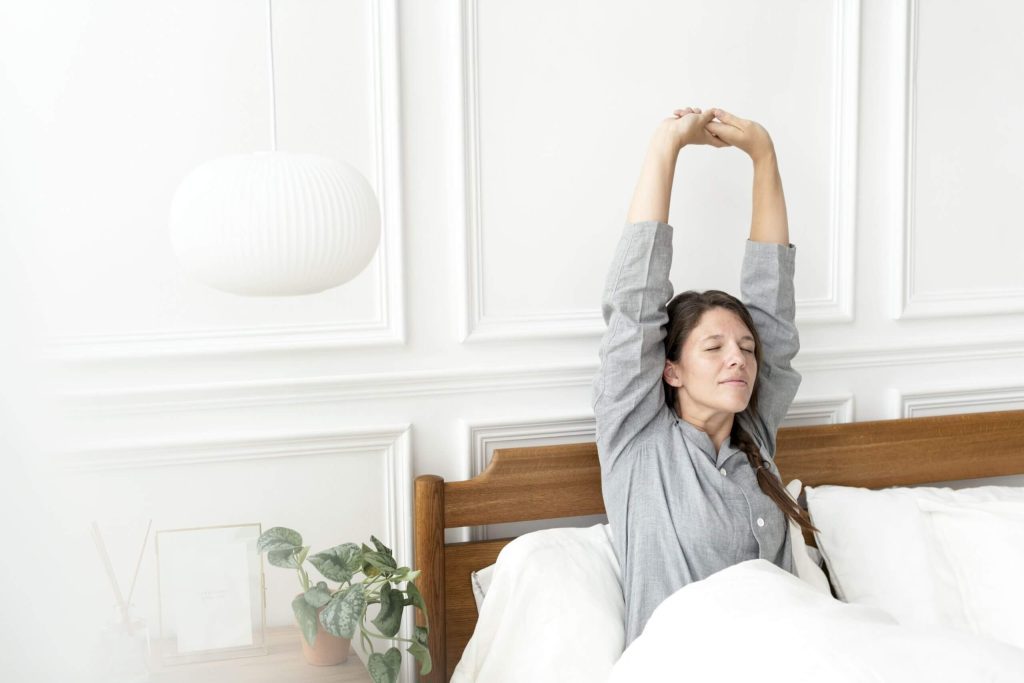
Quality sleep is essential for the health of teenagers. Unfortunately, adolescents are not immune to sleep disorders, which make it difficult for them to get adequate, restful sleep. This is a serious concern as it can negatively impact their physical, emotional, and cognitive development.
Sleep disorders in young people and teenagers are generally influenced by hormonal changes. However, there are other factors that contribute to sleep disorders in adolescents, such as stress, excessive caffeine consumption, and certain health conditions. Here is information about the causes of sleep disorders in teenagers and how to address them.
Causes of Sleep Disorders in Teenagers
Teenagers tend to produce melatonin — the body's natural sleep hormone — more slowly than children and adults. This is what causes adolescents to stay up later at night. In addition, there are several other common causes of sleep disorders in teenagers, such as:
Featured Product
ResMed AirSense 10 Autoset
ResMed's best automatic CPAP — adjusts pressure with every breath for precise and comfortable therapy throughout the night.
View Product Free ConsultationPacked Schedules
Having a packed schedule of activities, courses, and routines means teenagers are unable to sleep at night because they still have tasks and assignments to complete.
Excessive Caffeine Consumption
Consuming caffeinated beverages such as sodas, tea, coffee, or energy drinks can keep teenagers awake longer and make it harder for them to feel sleepy at night.
Excessive Gadget Use
Teenagers generally enjoy staying constantly connected with their friends. As a result, they develop a habit of using gadgets such as smartphones, tablets, or computers excessively. The blue light emitted by these devices prevents teenagers from feeling drowsy and makes it difficult to fall asleep.
Our Services for You
Experiencing Sleep Disorders
Teenagers can also suffer from sleep disorders such as insomnia or sleep apnea. Adolescents with sleep-disordered breathing, or obstructive sleep apnea (OSA), experience fragmented sleep because their breathing stops without them being aware of it. This causes the body to still feel fatigued upon waking, difficulty concentrating, irritability, and declining academic performance.
Having Certain Medical Conditions
Another cause of sleep disorders in teenagers is the presence of certain medical conditions. Teenagers may suffer from acid reflux or gastroesophageal reflux disease (GERD), which can disrupt sleep as stomach acid rises into the throat when lying down. In addition, other conditions such as asthma or fibromyalgia are also common and can cause difficulty sleeping in adolescents.
Experiencing Depression
The teenage years are a time of self-discovery, making adolescents vulnerable to stress and depression. Depression can worsen sleep disorders in teenagers, as the mind is filled with negative emotions, preventing the body from relaxing, feeling calm, and falling asleep.
How to Overcome Sleep Disorders in Teenagers
There are several ways to address sleep disorders in teenagers, as follows:
- Establish a regular sleep schedule to ensure adequate sleep duration.
- Engage in relaxing activities before bed, such as taking a warm bath or reading a favorite book.
- Reduce time spent on gadgets such as smartphones or tablets, especially close to bedtime.
- Avoid habits that can disrupt sleep quality, such as eating a large dinner or drinking coffee in the afternoon.
- Create a comfortable bedroom environment, such as turning off the lights when sleeping or listening to soothing sleep music.
Those are some of the ways to address sleep disorders in teenagers. If the above methods have not worked, it is advisable to consult a doctor, especially if the symptoms suggest a sleep disorder such as sleep apnea. You can consult an ENT specialist to receive appropriate treatment and care.
If you are diagnosed with sleep apnea, a doctor will typically prescribe a device called a CPAP (Continuous Positive Airway Pressure). The use of a CPAP therapy device is the most effective treatment for managing sleep apnea.
This device, which resembles a ventilator, delivers a steady flow of air through the nose during sleep. CPAP therapy is also safe for use by teenagers weighing more than 30 kg and is effective in improving sleep quality.
The best CPAP therapy devices are available at Resindo Medika, the official distributor and service center of ResMed in Indonesia. In addition to CPAP therapy devices, Resindo Medika also provides a complete range of masks and accessories, along with highly reliable service and calibration support. One stop solution for all your therapy needs!