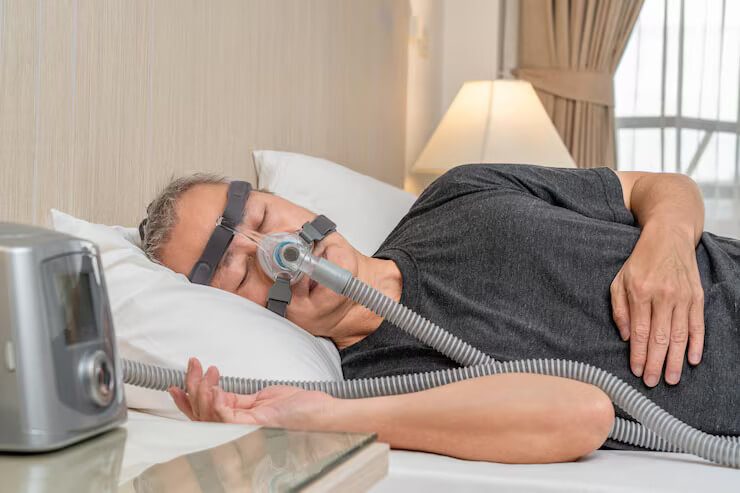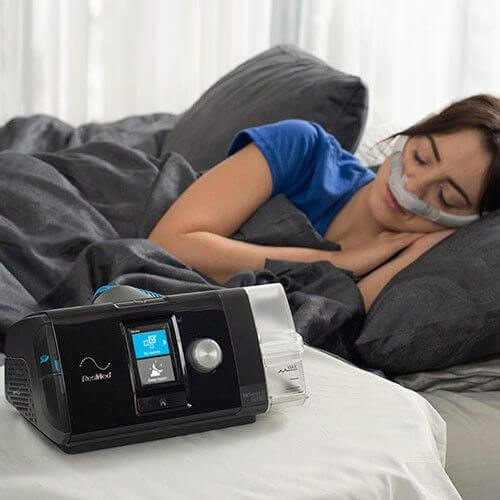
Sleep apnea is a sleep disorder characterized by repeated pauses in breathing during sleep. One of the most effective treatments for sleep apnea is the use of a CPAP (Continuous Positive Airway Pressure) machine. A CPAP machine works by delivering a continuous stream of pressurized air to keep the airway open during sleep. Below is a guide to using CPAP effectively.
How to Use a CPAP Machine Correctly
Using your CPAP machine correctly is key to getting the most out of your therapy. Here are the steps for proper CPAP use:
Featured Products
ResMed AirSense 10 Autoset
ResMed's best automatic CPAP — adjusts pressure with every breath for precise, comfortable therapy throughout the night.
View Product Free Consultation- Choosing the Right Mask:
Make sure you choose a mask that is comfortable and fits your face well. There are various types of masks available, such as nasal masks, full-face masks, and nasal pillows. Choose the one that best suits your needs and preferences.
- Adjusting the Air Pressure:
Your CPAP machine should be set to the pressure level recommended by your doctor. This pressure can be adjusted to ensure adequate airflow without causing discomfort.
- Using CPAP Every Night:
Use your CPAP machine every night and throughout the entire sleep period. Consistency is essential for managing sleep apnea symptoms.
Our Services for You
- Maintaining Your CPAP Machine:
Clean the mask, tubing, and other components of the machine regularly to prevent infection and ensure proper airflow.
Addressing Common Issues When Using CPAP
Many CPAP users experience some common issues when first using the machine. Here are solutions to a few of those problems:
- Mask Discomfort or Leaks:
Make sure the mask is fitted properly and is neither too loose nor too tight. Try different types and sizes of masks to find the most comfortable option.
- Dry Mouth or Nasal Congestion:
Use a humidifier, typically available as a CPAP machine accessory, to prevent dry mouth and nasal congestion.
- Difficulty Adjusting to the Airflow:
Some CPAP machines have a "ramp" feature that gradually increases air pressure as you fall asleep, making the adjustment process easier.
- Machine Noise:
If your CPAP machine is too noisy, make sure it is placed on a stable surface and not in contact with objects that may amplify the sound. Some machines also have a quieter operating mode.
The Importance of Consistency in Using CPAP to Manage Sleep Apnea Symptoms
Consistency is a key element of effective CPAP use. Irregular or occasional use can reduce its effectiveness in controlling sleep apnea symptoms. Here are some reasons why consistency is so important:
- Reducing the Risk of Health Complications:
Consistent CPAP use can lower the risk of health complications associated with sleep apnea, such as high blood pressure, heart disease, and stroke.
- Improving Sleep Quality:
Using CPAP every night helps ensure restful, quality sleep, which can boost energy and focus throughout the following day.
- Improving Overall Health:
With better sleep and a reduced risk of complications, your overall health will improve significantly.
For more information on effective CPAP use and proper medical advice, visit the Resindo Medikawebsite. There, you will find a wealth of resources and consultation services from experts who can help you better manage sleep apnea. Do not hesitate to reach out to the professional team at Resindo Medika for the support you need on your journey toward a healthier life and better sleep.
With correct and consistent CPAP use, people with sleep apnea can experience significant improvements in sleep quality and overall health. Support from healthcare professionals is also essential for receiving the right care and guidance.