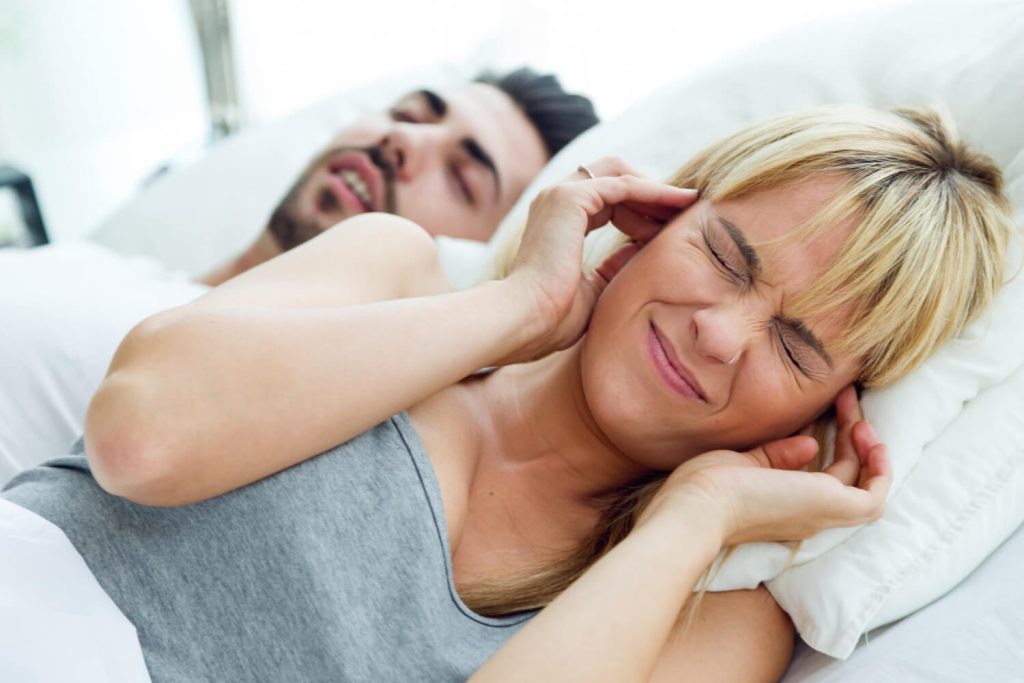
Nighttime snoring is often dismissed as merely a nuisance for a sleeping partner. However, snoring is more than just noise — it can be a sign of a serious medical condition such as sleep apnea. Sleep apnea is a sleep disorder that can negatively impact your health and quality of life. In this article, we will discuss why nighttime snoring deserves attention and how sleep apnea can be hazardous to your health.
What Is Sleep Apnea?
Sleep apnea is a condition in which your breathing repeatedly stops and starts during sleep. This occurs because the airway becomes partially or completely blocked, causing a drop in blood oxygen levels and disrupting your sleep. There are three types of sleep apnea: obstructive, central, and mixed. Obstructive sleep apnea is the most common, occurring when the muscles in the throat relax too much and obstruct airflow.
Featured Products
ResMed AirSense 10 Autoset
ResMed's best automatic CPAP — adjusts pressure with every breath for precise, comfortable therapy throughout the night.
View Product Free ConsultationSigns and Symptoms of Sleep Apnea
Loud snoring is one of the primary signs of sleep apnea, but there are other symptoms to watch out for, including:
- Breathing Pauses During Sleep: If your sleeping partner notices you briefly stopping breathing during sleep, this may be a sign of sleep apnea.
- Excessive Daytime Sleepiness: Sleep apnea often causes fragmented sleep, leaving you feeling extremely tired or drowsy during the day.
- Morning Headaches: Reduced blood oxygen levels during sleep can cause headaches upon waking.
- Difficulty Concentrating and Memory Problems: Poor-quality sleep can affect your cognition, leading to difficulty concentrating and retaining information.
Health Risks Associated with Sleep Apnea
Our Services for You
If left untreated, sleep apnea can lead to a range of serious health problems, including:
- High Blood Pressure: A drop in blood oxygen levels can cause elevated blood pressure, increasing the risk of heart disease.
- Heart Disease and Stroke: Sleep apnea can raise the risk of heart disease and stroke due to reduced oxygen levels and increased blood pressure.
- Type 2 Diabetes: Sleep apnea can affect glucose metabolism and increase the risk of type 2 diabetes.
- Heart Rhythm Disorders: Sleep apnea can cause cardiac arrhythmias, which can be life-threatening if left untreated.
The Importance of Early Diagnosis and Treatment
Loud snoring and other symptoms of sleep apnea require prompt medical attention. Early diagnosis and appropriate treatment can help prevent more serious complications. Medical evaluation may involve a sleep study, such as polysomnography, conducted in a sleep laboratory or using a home sleep monitoring device.
Find Your Solution at Resindo Medika
Do not dismiss snoring as a mere noise disturbance. If you snore frequently and experience symptoms of sleep apnea, seek medical help promptly. Visit the Resindo Medika website at Resindo.com for more information and to consult with experienced medical professionals. With the right diagnosis and treatment, you can overcome sleep apnea and improve your quality of life. Don't let sleep apnea compromise your health. Find your solution with Resindo Medika!