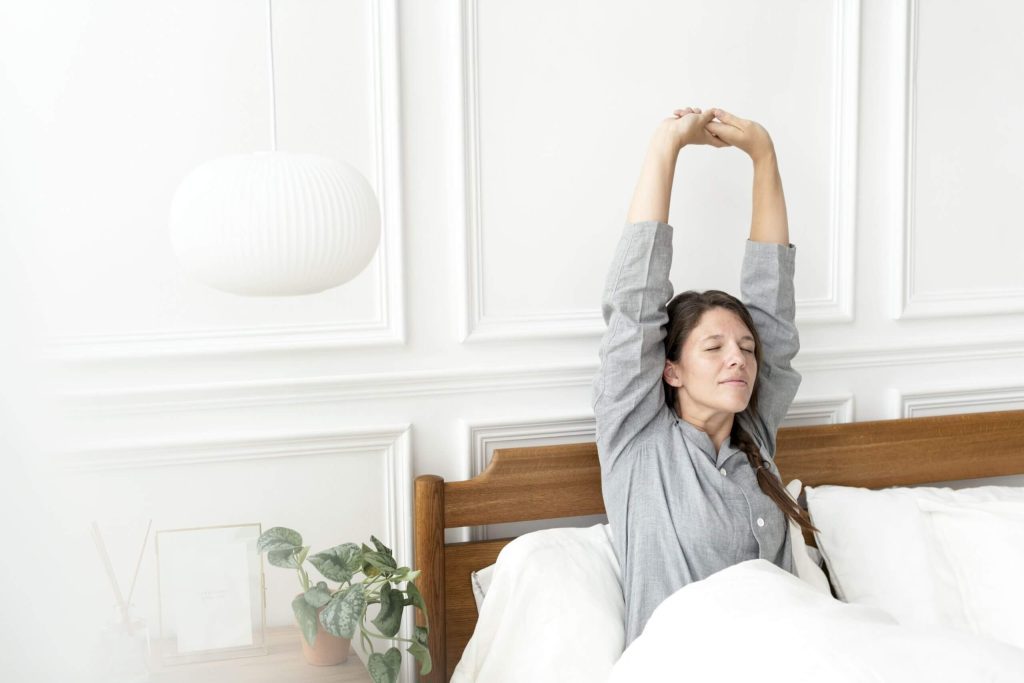
Sleeping in a seated or semi-upright position is often tried as a simple way to aid breathing during sleep. This method is frequently associated with efforts to relieve sleep apnea symptoms. But is it truly effective, and when should it be considered?
The Logic Behind Upright Sleep Position
When sleeping on your back, gravity causes the soft tissues in the throat to fall backward, obstructing the airway. Sleeping in a more upright or side position helps gravity work for — rather than against — the airway, reducing breathing disruptions.
Some people with positional sleep apnea only experience symptoms when sleeping on their back, so a positional change alone may be sufficient.
Featured Product
ResMed AirSense 10 Autoset
ResMed's best automatic CPAP — adjusts pressure with every breath for precise, comfortable therapy throughout the night.
View Product Free ConsultationPotential Benefits of Sleeping in an Upright Position
- Opens the airway — a more upright position prevents throat tissue from collapsing into the airway
- Reduces snoring — smoother airflow results in less snoring
- More stable oxygen levels — more consistent breathing helps the body maintain adequate oxygen throughout the night
Limitations to Consider
Not everyone finds sleeping in a seated position comfortable. Common complaints include back and neck discomfort, difficulty falling into deep sleep, and the body tiring quickly. For this reason, sleeping upright should be used only as a supplementary approach, not a primary solution.
How to Try a More Upright Sleep Position
- Stack several pillows to support your head and upper back
- Use a wedge pillow specifically designed for this position
- Elevate the head of the bed using a support frame
- Sleep in a recliner chair for the most natural upright position
The Best Sleep Position for Sleep Apnea
Side sleeping is the position most recommended by doctors — it helps keep the airway open while remaining comfortable for long-term sleep. Sleeping on the left side is particularly beneficial as it also reduces acid reflux.
If Positional Changes Are Not Enough
If you have tried various sleep positions but still frequently wake at night, feel fatigued during the day, or snore loudly — these may be signs of sleep apnea that require medical evaluation. Resindo Medika provides sleep health assessments using the latest technology to accurately detect and manage sleep disorders.