Pregnancy brings many changes to a woman's body, including sleep disturbances. Sleep apnea in pregnant women not only affects comfort, but also increases the risk of serious complications for both mother and baby. This article explains the impact of sleep apnea on pregnancy and the importance of early detection.
Why Sleep Apnea Increases During Pregnancy
Factors that make pregnant women more susceptible to sleep apnea:
Featured Products
ResMed AirSense 10 Autoset
ResMed's top automatic CPAP — adjusts pressure with every breath for precise, comfortable therapy throughout the night.
View Product Free Consultation1. Weight Gain
Gaining 10–15 kg during pregnancy increases fatty tissue around the neck, narrowing the airway.
2. Hormonal Changes
Rising progesterone → fluid retention → swelling of nasal and throat tissue
High estrogen → swelling of the airway mucosa
3. Pressure from the Enlarging Uterus
The growing uterus presses on the diaphragm, reducing lung capacity and making breathing more difficult — especially when lying down.
4. Nasal Congestion (Rhinitis of Pregnancy)
50–70% of pregnant women experience chronic nasal congestion with no allergic cause — leading to mouth breathing during sleep, which worsens sleep apnea.
Our Services for You
Sleep Apnea Risk by Trimester
Trimester 1: Low risk — symptoms typically have not yet appeared
Trimesters 2–3: Risk increases significantly — especially in trimester 3 when weight gain is at its highest
Effects of Sleep Apnea on the Mother
1. Preeclampsia
Sleep apnea increases the risk of preeclampsia (high blood pressure + protein in the urine) by 2–3 times. This is a serious complication that can be life-threatening for both mother and baby.
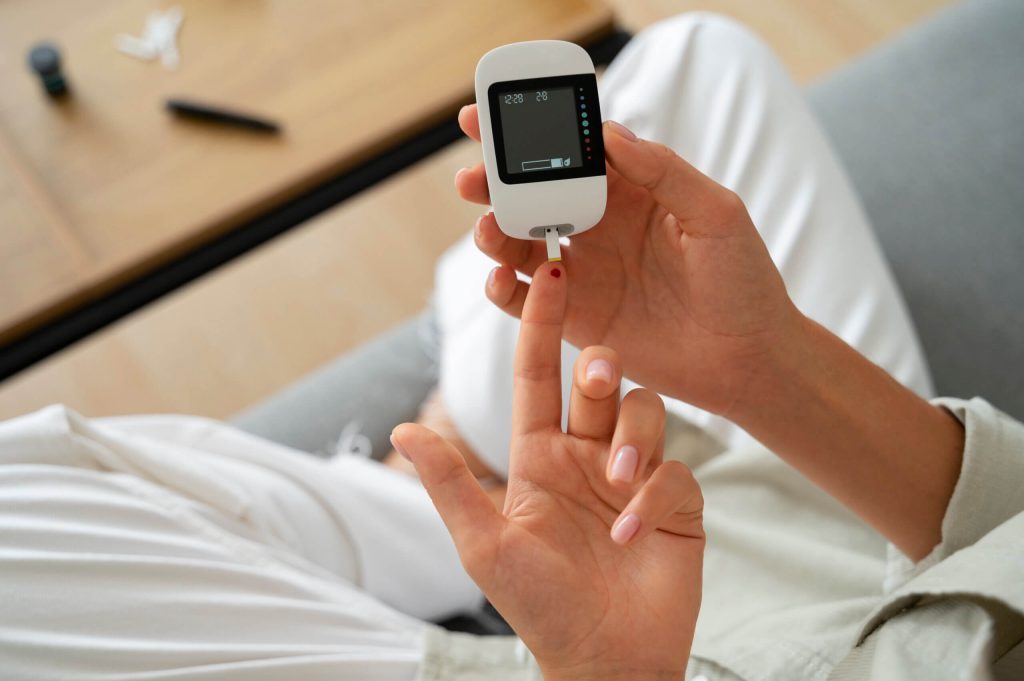
2. Gestational Diabetes
Metabolic disruption caused by sleep apnea increases insulin resistance, triggering gestational diabetes.
3. Gestational Hypertension
Repeated drops in oxygen levels cause blood pressure to rise — even in women who were not previously hypertensive.
4. Higher Risk of Cesarean Delivery
Studies show that mothers with sleep apnea have a higher risk of requiring a cesarean section, particularly when other complications are present.
5. Antenatal and Postnatal Depression
Poor-quality sleep worsens mood changes and increases the risk of depression.
Effects of Sleep Apnea on the Baby
1. Intrauterine Growth Restriction (IUGR)
Repeated low oxygen levels in the mother → reduced oxygen to the placenta → restricted fetal growth.
2. Low Birth Weight
Babies born to mothers with sleep apnea tend to have a lower birth weight than normal.
3. Premature Birth
The risk of delivery before 37 weeks increases by up to 50% in mothers with severe sleep apnea.
4. Low Apgar Score
Babies may be born with a low Apgar score (an indicator of newborn health at birth), suggesting distress during delivery.
5. Long-Term Complications in the Child
Several studies indicate that children of mothers with untreated sleep apnea have a higher risk of neurodevelopmental problems.
Symptoms of Sleep Apnea in Pregnant Women
Many symptoms of sleep apnea resemble normal pregnancy complaints — and are therefore often overlooked:
Loud snoring (especially if you never snored before pregnancy)
Frequent waking during the night
Extreme fatigue despite getting enough sleep
Morning headaches
Frequent nighttime urination (nocturia) — more than usual
Rising blood pressure
Difficulty concentrating, or unusually severe "baby brain"
If you have only started snoring loudly since becoming pregnant — this is a red flag that warrants evaluation.
Diagnosing Sleep Apnea During Pregnancy
Home Sleep Test — Safe for Pregnant Women
A sleep study can be conducted at home using portable equipment — convenient and safe for pregnant women. There is no radiation or invasive procedure involved.
When to Get Tested:
Loud snoring every night
Your partner has observed you stop breathing
Rising blood pressure
History of preeclampsia in a previous pregnancy
BMI >30 before pregnancy
Managing Sleep Apnea in Pregnant Women
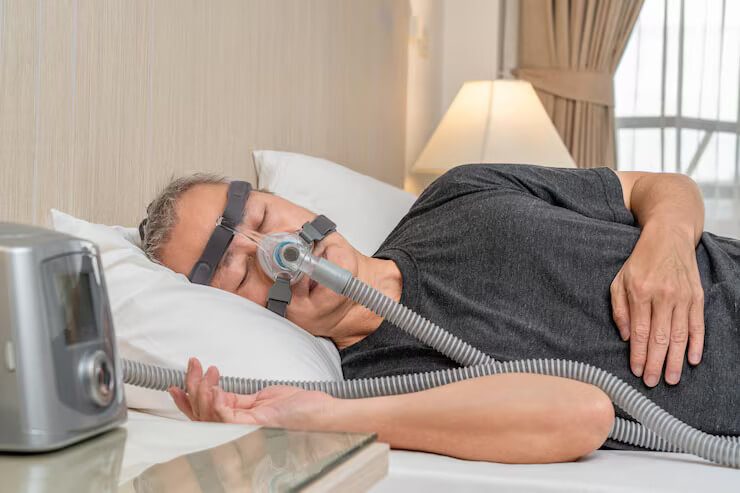
1. CPAP — Safe and Effective
CPAP is the safest therapy for pregnant women:
No medication enters the body
No side effects on the baby
Directly and effectively treats sleep apnea
Reduces the risk of preeclampsia by up to 50%
2. Positional Therapy
Sleeping on the left side (Left lateral position):
Reduces uterine pressure on major blood vessels
Improves blood flow to the placenta
Reduces sleep apnea episodes
3. Head Elevation
Sleeping with extra pillows or in a bed with the head elevated helps reduce nasal congestion and sleep apnea.
4. Nasal Spray (if approved by your doctor)
For nasal congestion, saline nasal spray is safe. However, avoid decongestants without consulting your doctor.
5. Weight Management
Controlled weight gain (as recommended by your obstetrician) helps reduce the risk of sleep apnea.
What NOT to Do:
Avoid sleeping pills—they can worsen sleep apnea and are harmful to the fetus
Avoid alcohol (this goes without saying)
Do not delay seeking evaluation just because it seems like "normal pregnancy symptoms"
Postpartum Prognosis
The good news: In most mothers, sleep apnea improves or resolves after delivery—especially if:
Body weight returns close to pre-pregnancy weight
There was no sleep apnea prior to pregnancy
No other risk factors are present
However, a follow-up sleep study 3–6 months postpartum is recommended to confirm that sleep apnea has fully resolved.
Resindo Medika: Sleep Health for Expectant Mothers
At Resindo Medika, we understand the unique needs of pregnant women:
Comfortable and safe home sleep testing
Consultations with doctors experienced in managing sleep apnea during pregnancy
CPAP with specially selected masks for maximum comfort
Collaboration with obstetricians for integrated care
Monitoring throughout pregnancy and postpartum evaluation
Contact Resindo Medika today if you are pregnant and experiencing symptoms of sleep apnea. Protect your health and your baby's with early detection and treatment.