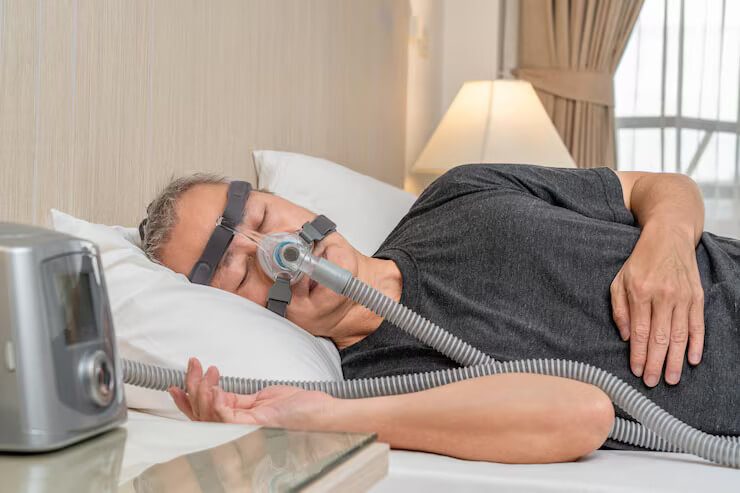
As a CPAP user, have you ever experienced an annoying problem such as water suddenly appearing in the CPAP tube? Water carried along by the push of air can splash into the mask and make you uncomfortable, even leading you to stop using CPAP.
Relax, you're not alone — the problem you're experiencing is called rainout, that is, the appearance of water in the CPAP tube due to air condensation. Fixing rainout isn't hard; you can follow these CPAP tips to deal with water in the CPAP tube.
Cause Rainout
Let's first understand what actually happens in the CPAP machine that allows rainout to occur. The appearance of water droplets in the CPAP tube is not mysterious; although they appear suddenly, there are actually reasons and conditions that cause water in the CPAP tube.
Featured Product
ResMed AirSense 10 Autoset
ResMed's best automatic CPAP — adjusts pressure with every breath for precise, comfortable therapy all night long.
View Product Free ConsultationCause rainout is a drastic temperature difference between the CPAP machine and the room. The CPAP machine has a humidification feature meant to moisten and warm the air so the nose and throat don't get dry.
This humidification feature works by evaporating water in a chamber and combining that warm vapor with the air pressure delivered to the airway. Humidification itself has several warmth levels that can be adjusted to your needs.
The problem of rainout arises when this warm air leaving the CPAP machine starts passing through the tube and mask toward the airway. A cold room temperature makes the CPAP tube cold too, causing that warm vapor to condense and turn into water droplets in the CPAP tube. Finally, these droplets get carried along by the air pressure and the result is rainout.
Our Services for You
How to Fix Rainout
The problem of rainout is indeed annoying, but don't let it make you stop using CPAP, which gives you good benefits. Rainout can be fixed by doing the following:
Use the ClimateLine Air
The easiest way to deal with water in the CPAP tube, or rainout is to replace the ordinary CPAP tube with one that has a heating feature. A tube with a heating feature can keep the air temperature stable and warm as it passes through the tube to the mask.
ResMed ClimateLine Air is a heated tube that keeps the air temperature stable and warm, preventing air condensation caused by temperature changes. The ClimateLine Air also has a Climate Control feature that adjusts the CPAP machine's humidification system to the room temperature without needing manual setting changes.
Lower the Humidification Level
The higher the humidification level, the warmer the air produced. Therefore, a high humidification level can make the CPAP machine too warm and the air more prone to condensation.
Especially if you're used to sleeping in a cold room, you need to pay attention to the humidification level you use. You can also try several different humidification levels to find the setting that's most suitable for you.
Adjust the Room Temperature
If you've already tried the two methods above for dealing with water in the CPAP tube but still experience rainout, you may need to check your bedroom temperature. Air that's too cold can trigger condensation even if you already use a heated CPAP tube.
Positioning the CPAP Machine
Positioning the CPAP machine can also be a way to deal with rainout that you should pay attention to. A CPAP machine positioned higher than your head pillow can cause water to splash into your nose. This is because water naturally flows to lower places.
If rainout or the water droplets that appear are only minor and don't reach the mask, you can place the CPAP machine lower than your bed so the water isn't pushed up to your nose. Also, avoid placing the CPAP machine where AC air blows on it to prevent worse condensation.
don't fill water above the level ).replace(‘“’, max“ to prevent rainout (source: sleeplay)
Don't Fill the Humidifier Too Full
Humidifier or the chamber is the container that holds water to be heated into vapor in the CPAP machine. Overfilling the humidifier can cause water to be carried along by the air pressure and cause rainout. Note the ‘max’ marking on the container and don't fill water beyond that limit. Don't worry — although it looks like a small amount, the water won't dry out overnight.
Contact Your CPAP Therapy Provider
If you've already tried all the CPAP tips above for dealing with water in the CPAP tube but still experience rainout, you can contact your CPAP therapy provider to consult further about the problem you're having.
Resindo Medika is the official licensed ResMed distributor in Indonesia with reliable patient support patient support service. The Resindo Medika team will help you by checking and addressing the possible causes of rainout and monitoring whether the therapy you're undergoing is optimal or not.
How to Prevent Rainout
Prevention is better than cure — surely a familiar saying, right? This applies to CPAP therapy too. Although rainout is easy to fix, it's still better if rainout doesn't happen, right?
Besides, the way to stop water in the CPAP tube is actually a little tricky, especially if you don't really understand how to adjust the humidification level. That's why it's better to prevent rainout by doing the following:
Use Heated Tubing
Using heated tubing, or a tube with a heating feature, can keep the air temperature stable and warm. A more stable temperature can prevent condensation so that rainout doesn't appear.
Don't Change the Humidification Settings
Sometimes new things spark curiosity in some people, but it's best to ask and consult your CPAP provider first before changing anything. Changing the humidification settings without special expertise may cause rainout.
Consider a Waterless CPAP Machine Option
Besides CPAP machines that use water for their humidification system, there are also CPAP machines that don't use water, such as the ResMed AirMini Portable. Even so, the AirMini still has a humidification feature that uses a humidifying filter to moisten the air.
You can use this option as an alternative when traveling or if you don't want the hassle of a water-based humidification system, where the problem of rainout can occur.
Conclusion
The appearance of water in the CPAP tube, or rainout is a common problem, especially for CPAP beginners. Using a CPAP tube with a heating feature and adjusting the humidification level are practical steps you can take.
If you're interested in a more practical CPAP machine that doesn't need water for its humidification system, you can try the ResMed AirMini Portable. You can also visit the Resindo Medika store in South Jakarta to try the AirMini and get a more detailed explanation of how it differs from the CPAP machine you currently use.
That's all the information on how to deal with water in the CPAP tube; we hope it helps!