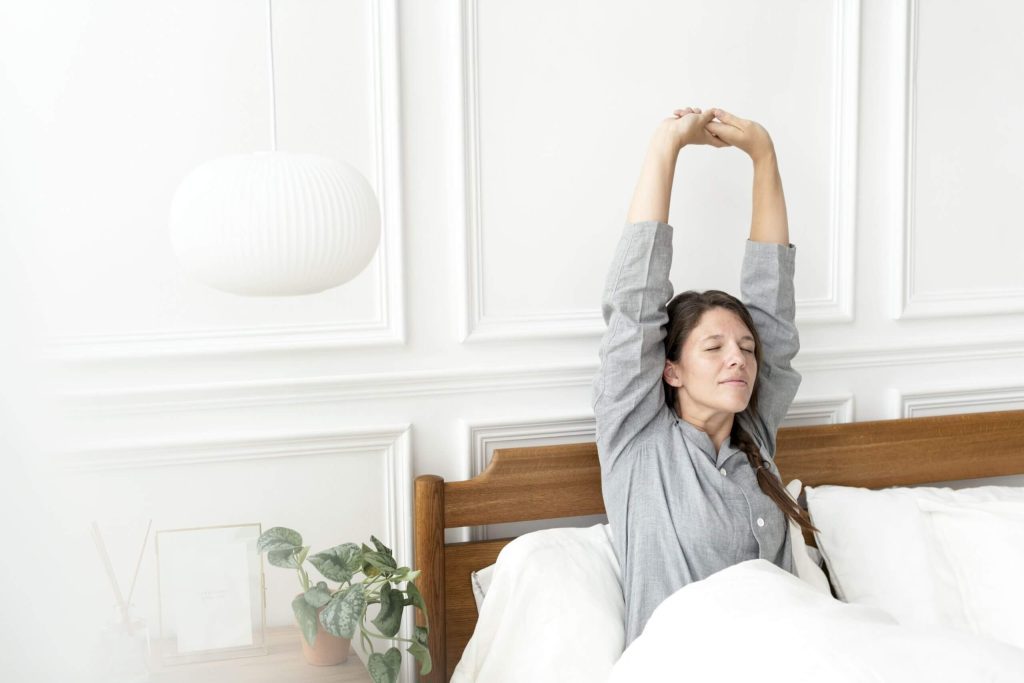
Difficulty sleeping is often dismissed as a minor problem. Yet trouble sleeping can leave our bodies low on energy, make it hard to concentrate, and reduce our thinking ability. Beyond that, difficulty sleeping can also cause health problems if it persists over the long term. To address it, you can try practicing sleep hygiene.
What Is Sleep Hygiene?
Sleep hygiene is a term used to describe good sleep habits. Many studies have been conducted to develop a set of guidelines and tips designed to improve sleep quality, and there is strong evidence that these strategies can provide a long-term solution for sleep difficulties.
Featured Product
ResMed AirSense 10 Autoset
ResMed's best automatic CPAP — adjusts pressure with every breath for precise, comfortable therapy all night long.
View Product Free ConsultationHow to Practice Sleep Hygiene
Practicing sleep hygiene is actually fairly easy to do. However, it takes consistency to be effective at overcoming sleep difficulties.
Here is how to practice sleep hygiene:
Our Services for You
- Make sure to sleep and wake at the same time
Go to sleep and wake at the same time every day, even on holidays. This helps you build a consistent sleep rhythm. Make sure you get about 7–8 hours of sleep each night. - Create a pre-sleep routine
Creating a pre-sleep routine can help you fall asleep faster. Set aside 30–60 minutes before bed for this routine. There are many options, such as reading a book, meditating, listening to music, or journaling. Remember, don't do things that can trigger emotions or worry, such as work- or study-related matters, because they can actually make it harder for you to sleep. - Create a comfortable sleep environment
To fall asleep faster, make your bedroom an ideal place to sleep. Turn off the lights when sleeping or limit lighting to a night light only, and keep the room cool. If your room is too noisy, you can use earplugs.In addition, keep your phone and laptop out of reach and turn off the TV, computer, or other electronic devices before bed, because the light from electronic devices can inhibit the production of melatonin, the hormone that should help you fall asleep.
- Limit food and drink before bed
Before bed, avoid heavy, spicy, or large meals. Also, don't lie down right after eating, as it can increase pressure in the stomach, allowing food and stomach acid to rise into the esophagus. This can make you uncomfortable and prone to waking at night. Also avoid caffeine and alcoholic drinks before bedtime. Both can keep you awake and make it hard to sleep.
If you have already improved your sleep schedule and practiced sleep hygiene but still have trouble sleeping, you can take a sleep diagnostic test to evaluate your body's condition during sleep and see whether a sleep disorder is present.
A sleep diagnostic test can be done at home easily, safely, and with accurate results. You can contact Resindo Medika if you need sleep test services in Jakarta and the surrounding area.