After breastfeeding ends, a woman's body undergoes significant hormonal shifts — declining prolactin and oxytocin levels, accompanied by fluctuations in estrogen and progesterone. These dramatic changes can affect not only mood and metabolism, but also trigger serious sleep disorders, including sleep apnea.
Hormonal Changes After Breastfeeding
Hormones that fluctuate after breastfeeding affect sleep through several mechanisms:
- Weight gain affecting the airway — fat deposits around the neck compress the air passage
- Disrupted circadian rhythm — declining estrogen interferes with the body's internal clock
- Reduced throat muscle tone — lower progesterone levels (which previously stimulated airway dilator muscles) increase the risk of obstruction
This combination of factors makes some women more susceptible to sleep apnea after the breastfeeding period ends.
Featured Product
ResMed AirSense 10 Autoset
ResMed's top automatic CPAP — adjusts pressure with every breath for precise, comfortable therapy throughout the night.
View Product Free ConsultationSymptoms to Watch Out For
Sleep apnea symptoms in women often differ from those in men and frequently go undetected. Warning signs to look out for after breastfeeding:
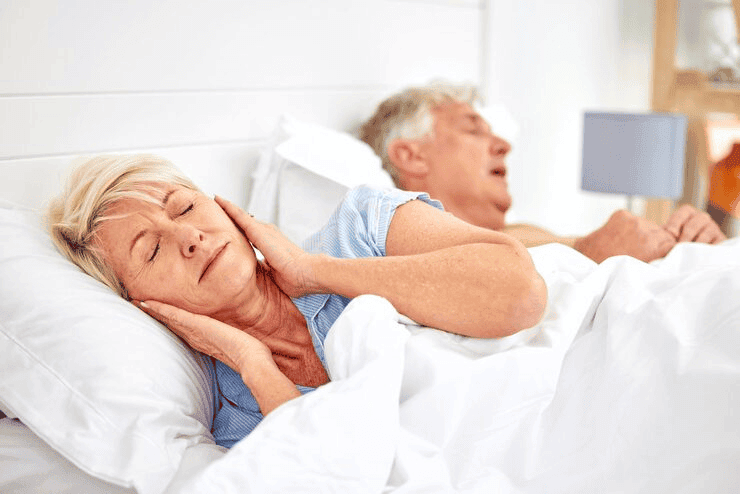
- Snoring with pauses in breathing
- Frequently waking up in the middle of the night for no apparent reason
- Morning headaches that subside within a few hours
- Extreme fatigue despite getting adequate sleep
- Mood changes: irritability, mild depression, or anxiety
- Difficulty concentrating that interferes with daily activities
The Link Between Sleep Apnea and Women's Health
Untreated post-breastfeeding sleep apnea can lead to:
- Recurring low blood oxygen levels at night that damage body tissues
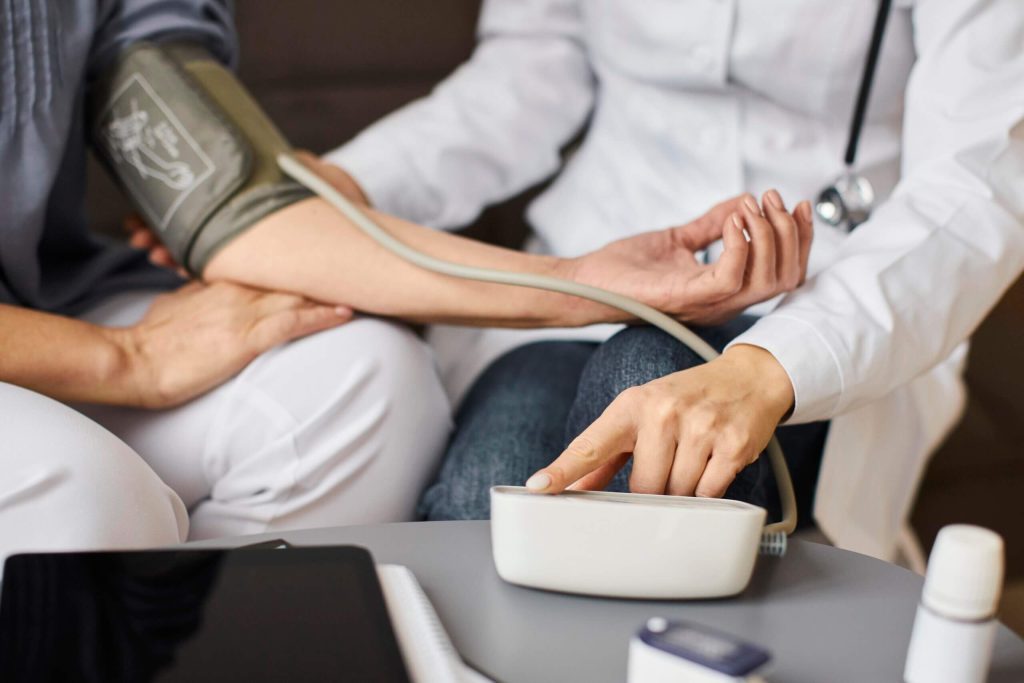
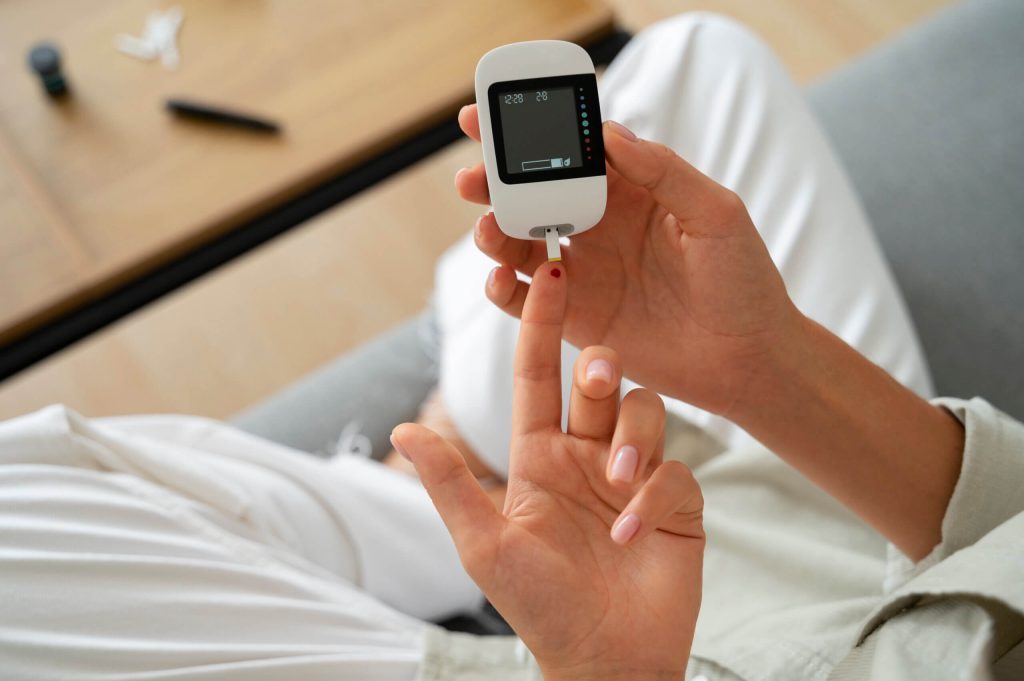
- Increased risk of hypertension, heart disease, and type 2 diabetes
- Prolonged or worsening postpartum depression
- Decline in relationship quality and parenting ability
The Importance of Early Screening
Many women dismiss post-breastfeeding fatigue as normal, causing sleep apnea to go undetected. A sleep study is the best step toward an accurate diagnosis. Using a sleep monitoring device, breathing patterns, heart rate, and oxygen levels can be recorded throughout the night to determine whether the symptoms are caused by sleep apnea or another condition.
Our Services for You
If you or someone close to you is experiencing these symptoms after breastfeeding has ended, don't ignore them. Resindo Medika is ready to help with an approach that takes into account hormonal factors and the stages of a woman's life. Contact us for a consultation and to schedule a sleep study.