Sleep apnea and type 2 diabetes are two conditions that occur together more often than many people realize. The relationship between them is bidirectional: sleep apnea can worsen blood sugar control, while diabetes can increase the risk of breathing disturbances during sleep.
Why Is Sleep Apnea More Common in People with Type 2 Diabetes?
Obesity and Airway Narrowing
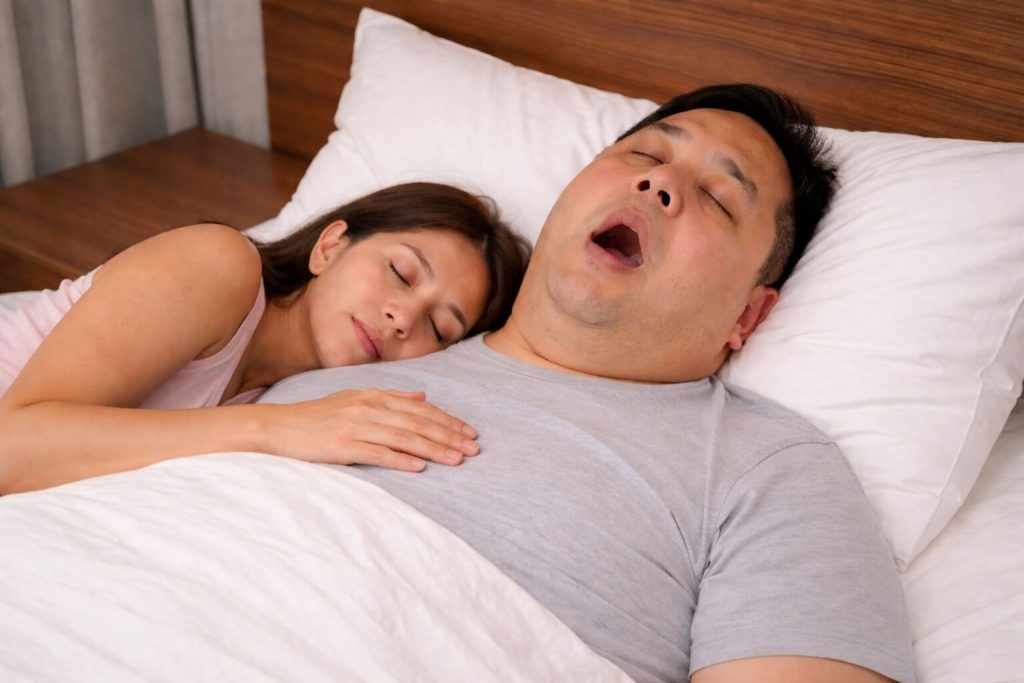
People with type 2 diabetes often experience fat accumulation around the neck, which can narrow the airway and increase the risk of sleep apnea. Obesity is also a shared risk factor for both conditions.
Diabetic Neuropathy
Chronically high blood sugar levels can damage nerves — including those that control the breathing muscles. This damage can create irregular breathing patterns during sleep.
Featured Product
ResMed AirSense 10 Autoset
ResMed's top automatic CPAP — adjusts pressure with every breath for precise, comfortable therapy throughout the night.
View Product Free ConsultationCardiovascular Risk
Sleep apnea reduces oxygen levels during sleep and triggers repeated blood pressure surges, placing added strain on the heart — which is already at elevated risk in people with diabetes.
Integrated Management of Both Conditions
Both conditions require simultaneous management to minimize the risk of complications:
Regular Medical Consultations
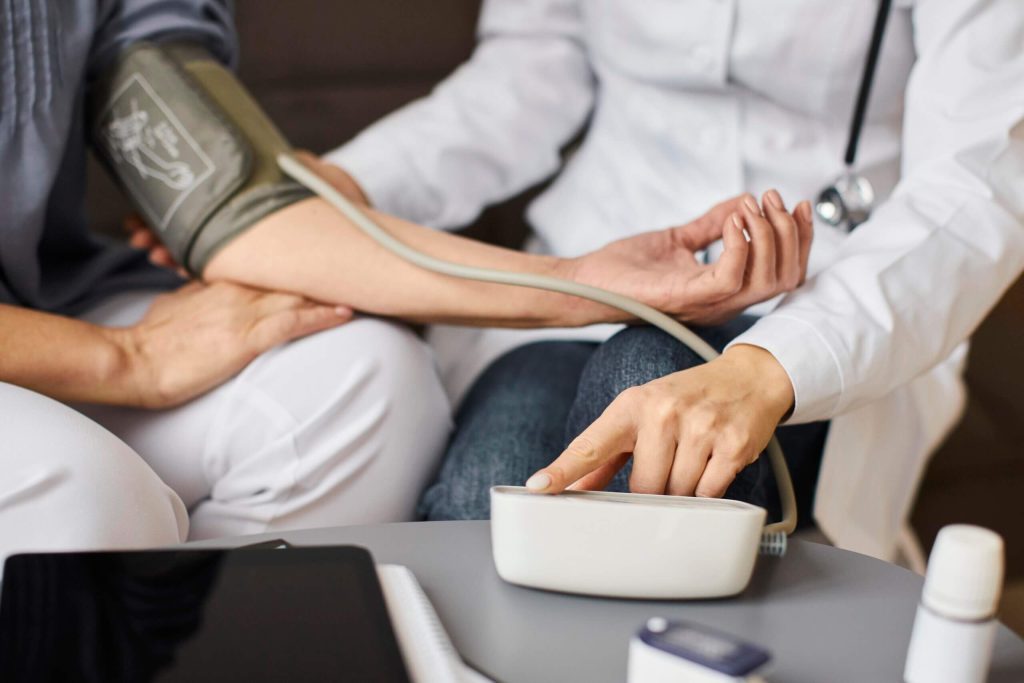
Routine check-ups help determine the appropriate treatment, diet, and physical activity needed to control blood sugar levels while managing sleep apnea.
Our Services for You
Healthy Diet
Choose foods high in fiber and low in saturated fat. Avoid overeating close to bedtime, which can worsen reflux and airway obstruction.
Regular Exercise
Physical activity improves insulin sensitivity, helps maintain a healthy weight, and reduces fat around the neck that can narrow the airway.
CPAP Therapy
CPAP (Continuous Positive Airway Pressure) keeps the airway open throughout the night. Several studies suggest that consistent CPAP therapy also helps stabilize blood sugar levels by improving overall sleep quality.
Blood Sugar Monitoring
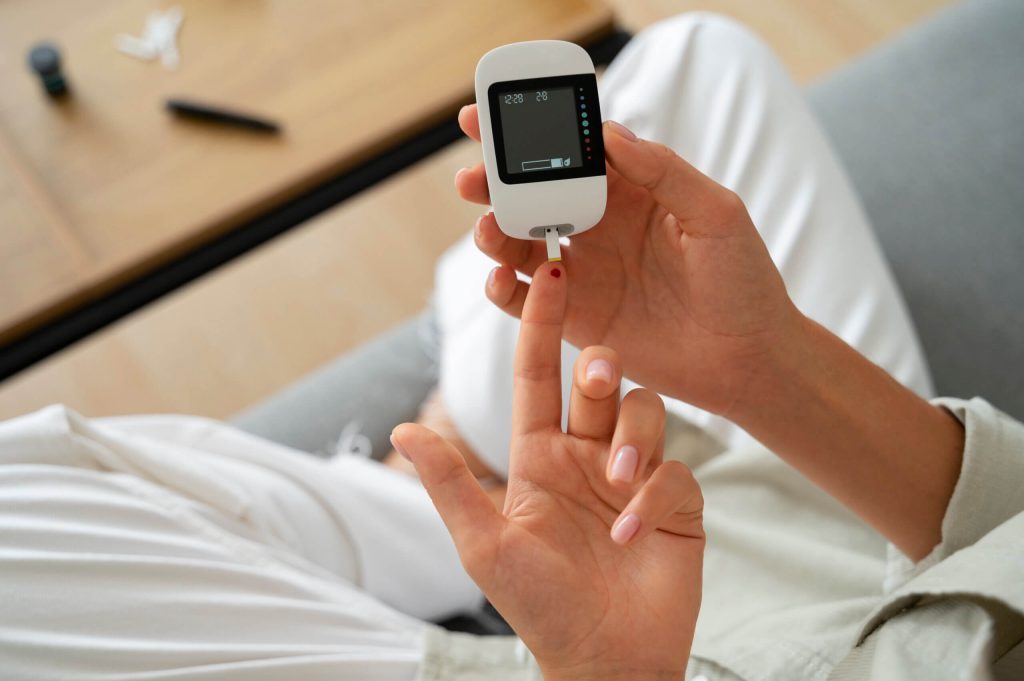
Regular glucose monitoring helps keep blood sugar levels stable and reduces the risk of long-term complications — for both diabetes and sleep apnea.
Evaluation at Resindo Medika
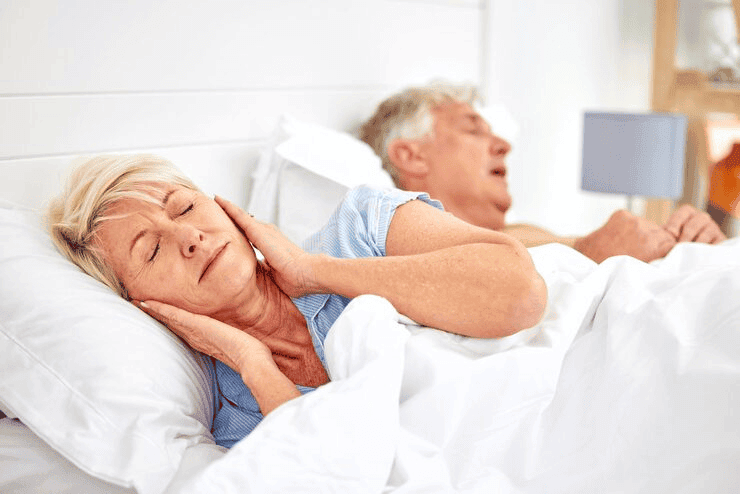
If you have type 2 diabetes and experience loud snoring, frequent nighttime awakenings, or excessive daytime sleepiness — a sleep apnea evaluation is strongly recommended. Resindo Medika provides sleep diagnostic tests and consultations for comprehensive and effective treatment solutions.