Did you know that sleep position has a major influence on breathing quality during sleep? For people with sleep apnea and snoring, choosing the right sleep position can reduce breathing-pause episodes by up to 50% and significantly improve sleep quality.
Why Does Sleep Position Affect Sleep Apnea?
Obstructive sleep apnea occurs when the upper airway is blocked during sleep. Sleep position affects how gravity acts on the soft tissue in the throat, tongue, and jaw. About 50–60% of people with sleep apnea have “positional sleep apnea” – a condition in which the AHI increases 2–3 times when sleeping on the back.
Ranking Sleep Positions: From Best to Worst
1. Side Sleeping – Best ★★★★★
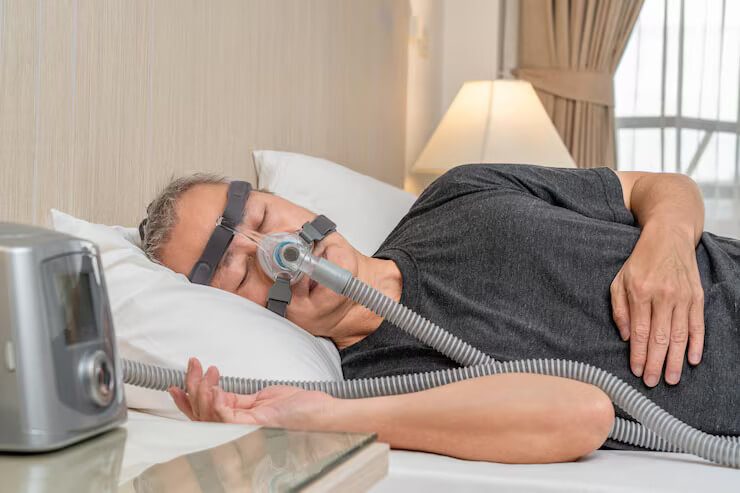
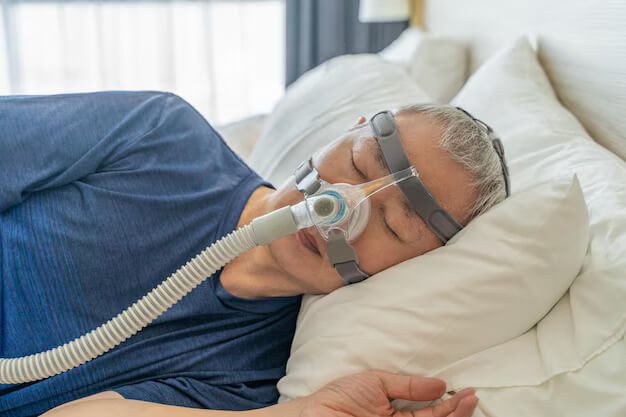
Side sleeping is the best position to prevent sleep apnea. Gravity pulls the tongue and soft tissue to the side (not backward), keeping the airway open and reducing apnea episodes by up to 50%.
Featured Product
ResMed AirSense 10 Autoset
ResMed's best automatic CPAP — adjusts pressure with every breath for precise, comfortable therapy all night long.
View Product Free Consultation- Left side is more recommended because it also helps blood flow to the heart and reduces acid reflux
- Use a bolster pillow behind your back or a tennis ball in your pajama pocket to maintain the position
- An electronic sleep position trainer vibrates gently when you roll onto your back
2. Stomach Sleeping – Good ★★★★☆
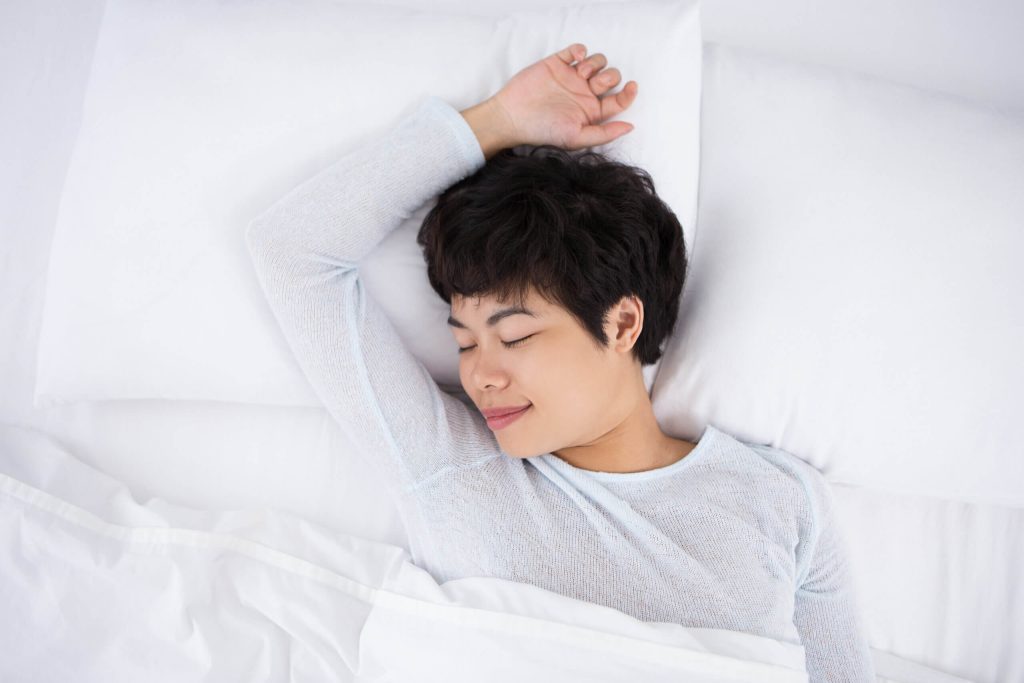
Effective because gravity pulls the tongue forward. However, it can cause neck and back pain. Not recommended for pregnant women or people with spine problems.
3. Semi-Upright (Elevated) – Fairly Good ★★★☆☆
Sleeping with the head and chest elevated 30–45 degrees helps keep the airway open and reduces acid reflux. Use a dedicated wedge pillow, not just stacked pillows.
4. Back Sleeping – Worst ★☆☆☆☆
Gravity pulls the tongue and soft tissue backward, closing the airway. Apnea episodes increase 2–3 times, snoring is loudest, and oxygen levels are lowest. Avoid this position if you have sleep apnea.
Our Services for You
Strategies to Change the Habit of Back Sleeping
- Tennis Ball Technique: sew a pocket on the back of your pajamas and fill it with a tennis ball. The discomfort automatically makes you return to a side position.
- Sleep Position Trainer: an electronic device on the neck or chest that vibrates gently when you roll onto your back.
- Body Pillow: a long pillow you hug and place behind your back.
Bukti Ilmiah
- Journal of Clinical Sleep Medicine (2020): 56% of 574 sleep apnea patients had positional OSA. After 3 months of positional therapy, 65% showed an AHI reduction of more than 50%.
- Sleep Medicine Reviews (2019): a meta-analysis of 19 studies found positional therapy effectively reduced the AHI on average from 28.4 to 11.2 events per hour.
When Is Sleep Position Alone Not Enough?
Consult a sleep specialist if you still snore loudly despite side sleeping, remain tired despite 7–8 hours of sleep, or have an AHI above 30 (severe sleep apnea). In these cases, CPAP therapy is a proven solution.