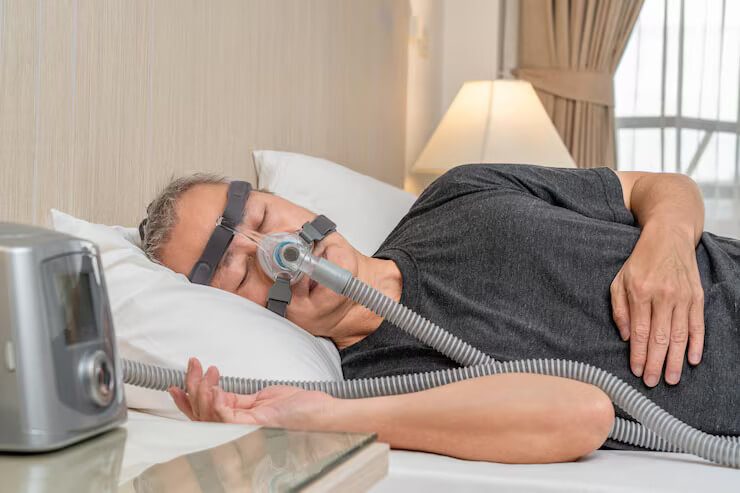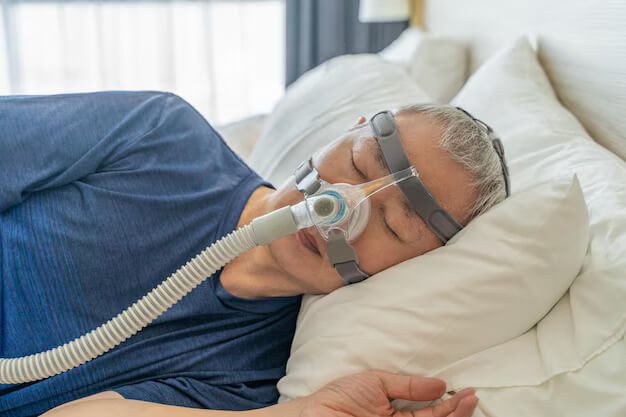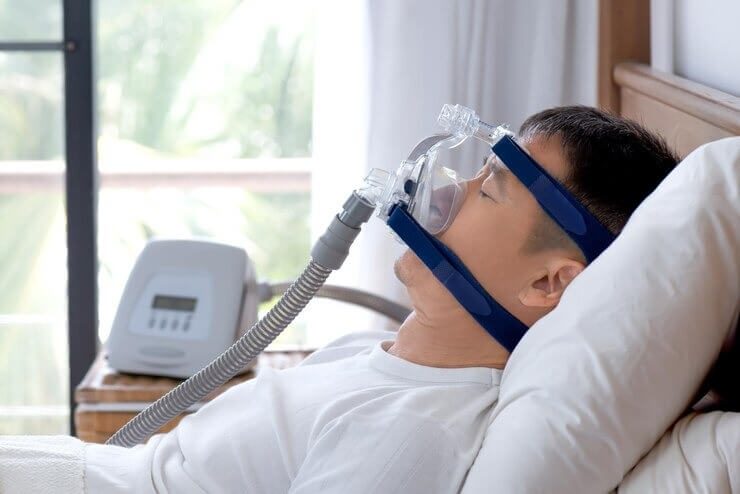
Continuous Positive Airway Pressure (CPAP) is the gold-standard therapy for moderate-to-severe sleep apnea, with the strongest clinical evidence among all available treatment modalities. The machine works by delivering a flow of pressurized air through a mask to the airway during sleep, maintaining positive air pressure that prevents the airway from collapsing.
How Does CPAP Work?
CPAP creates a “pneumatic splint” — an air cushion that keeps the airway open from the pharynx to the trachea throughout the night. The pressure required is unique to each individual and is determined through a titration process (calibration study).
Types of CPAP machines available:
Featured Product
ResMed AirSense 10 Autoset
ResMed's best automatic CPAP — adjusts pressure with every breath for precise, comfortable therapy all night long.
View Product Free Consultation- Standard CPAP: a constant pressure set by the doctor
- APAP (Auto CPAP): automatically adjusts the pressure according to real-time needs
- BiPAP: different pressures for inhaling and exhaling — for patients uncomfortable with standard CPAP
Proven Benefits of CPAP Therapy
- Elimination of apnea and hypopnea episodes
- Normalization of blood oxygen levels throughout the night
- Dramatic reduction in snoring
- Improved sleep quality and daytime energy
- A 5–10 mmHg reduction in blood pressure
- Up to a 42% reduction in stroke risk (with consistent use of >4 hours/night)
- Improved cognitive function, mood, and quality of life
10 Tips for Effective CPAP Use
- Choose the right mask: there are three main types — nasal pillow, nasal mask, and full face mask. Consult a technician for the optimal fit according to your facial anatomy
- Pressure adjustment by the doctor: don't change the pressure yourself without medical guidance
- Consistency is key: use CPAP every night, at least 4 hours, to gain clinical benefit
- Clean daily: the mask and tube with warm soapy water, rinse, and air-dry
- Gradual adaptation: start by wearing the mask while awake (watching TV), then during a nap before a full night's sleep
- Use a humidifier: to prevent the dry nose and throat that are often a reason for discomfort
- Tube positioning: use a guiding tube or CPAP hose holder to prevent tugging that disturbs sleep
- Regular consultation: follow-up at 1, 3, and 6 months to evaluate adherence and adjust pressure
- Join a community: a CPAP user support group helps with long-term motivation
- Be patient: most patients need 2–4 weeks of adaptation before feeling comfortable with CPAP
Overcoming Common Obstacles
- Claustrophobia: start with the lightest nasal pillow and practice gradually
- Dry mouth: use a full face mask or add a chin strap
- Machine noise: modern machines (
- Swallowing air (aerophagia): lower the pressure or switch to BiPAP
Consistent CPAP adherence is the main determining factor in therapy success. Resindo Medika supports patients with regular follow-up and solutions for every obstacle faced during the adaptation process.