Pregnancy brings numerous changes to a woman's body, including sleep disturbances. Sleep apnea in pregnant women is more than mere discomfort — the condition increases the risk of serious complications for both mother and baby, making early detection and treatment essential.
Why Are Pregnant Women More Vulnerable to Sleep Apnea?
Several factors make pregnancy a higher-risk period:
- Weight gain: A 10–15 kg increase adds fatty tissue around the neck, narrowing the airway
- Hormonal changes: Rising progesterone and estrogen levels cause fluid retention and swelling of the airway mucosa
- Uterine pressure: The enlarging uterus presses on the diaphragm, reducing lung capacity — especially when lying down
- Nasal congestion: Around 50–70% of pregnant women experience chronic nasal congestion, forcing mouth breathing
Effects on the Mother
- Preeclampsia: Sleep apnea raises the risk of preeclampsia by 2–3 times — a potentially life-threatening complication
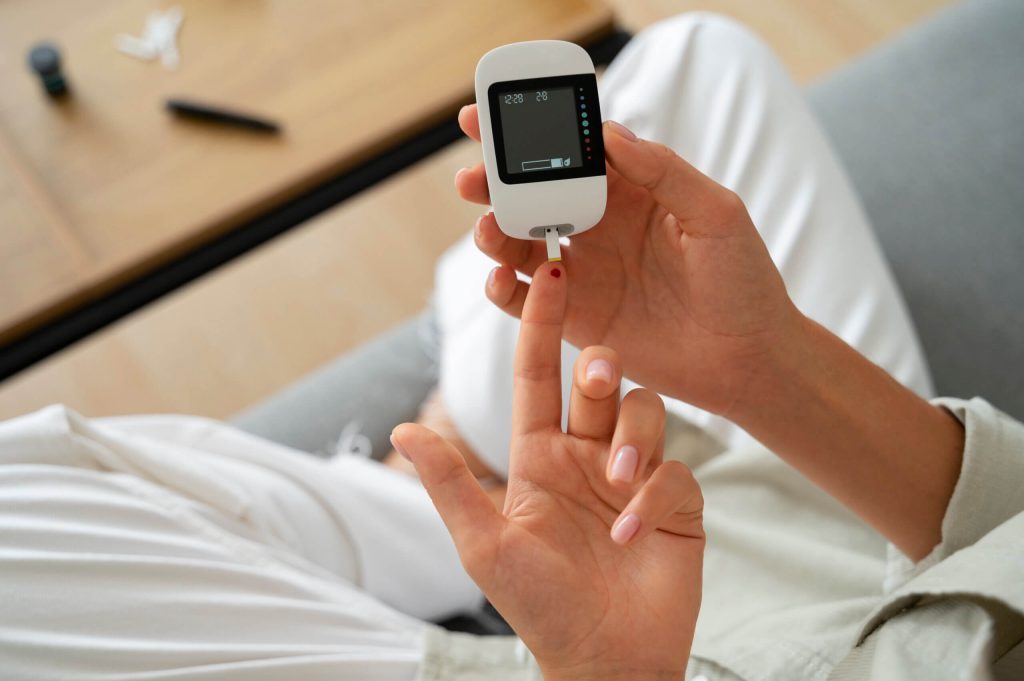
- Gestational diabetes: Metabolic disruption caused by sleep apnea increases insulin resistance
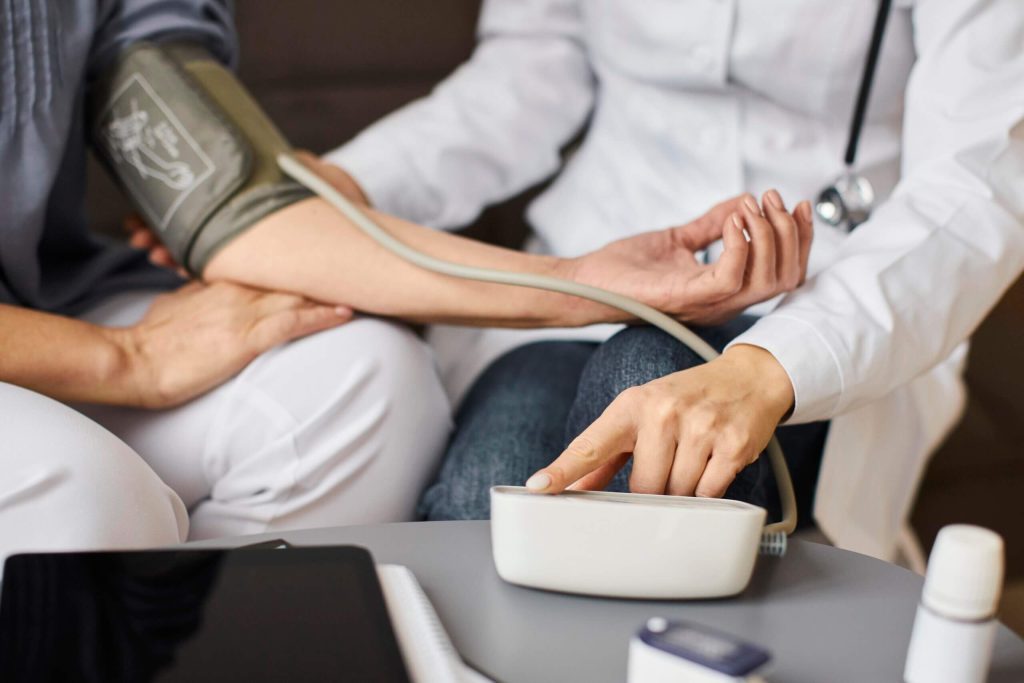
- Gestational hypertension: Repeated drops in oxygen levels cause blood pressure to rise
- Higher risk of cesarean delivery
- Antenatal and postnatal depression
Effects on the Baby
- Restricted fetal growth due to reduced oxygen supply to the placenta
- Lower-than-normal birth weight
- Risk of preterm birth increased by up to 50% in severe cases
- Low Apgar score at birth
Symptoms to Watch For
Many symptoms of sleep apnea resemble common pregnancy complaints and are often overlooked. Watch for: loud snoring that began during pregnancy, frequent nighttime awakenings, extreme fatigue despite adequate sleep, morning headaches, and rising blood pressure.
Featured Product
ResMed AirSense 10 Autoset
ResMed's best automatic CPAP — adjusts pressure with every breath for precise, comfortable therapy throughout the night.
View Product Free ConsultationSafe Treatment Options for Pregnant Women
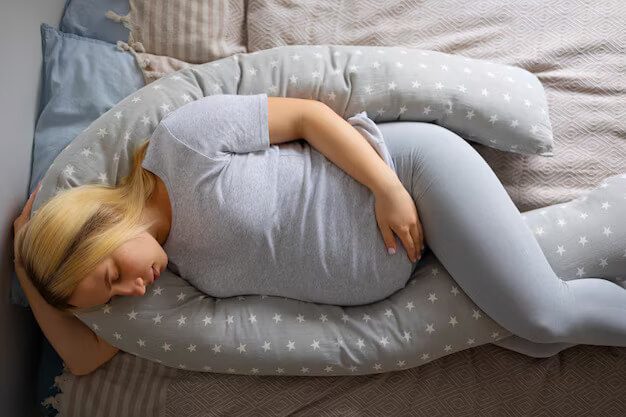
CPAP therapy is the safest option — no medication enters the body, no side effects on the baby, and it has been proven to reduce the risk of preeclampsia by up to 50%. Sleeping on the left side improves blood flow to the placenta. Elevating the head with an extra pillow helps reduce congestion.
Resindo Medika offers a comfortable and safe home sleep test for pregnant women, physician consultations, CPAP with a properly fitted mask, and ongoing monitoring throughout pregnancy along with postpartum evaluation.