Managing sleep apnea is not a one-size-fits-all approach. The right therapy depends on severity (AHI), underlying causes, other medical conditions, and patient preference. Understanding the available options helps patients and doctors make the best decisions.
Sleep Apnea Severity Levels
- Mild: AHI 5–14 events/hour
- Moderate: AHI 15–29 events/hour
- Severe: AHI ≥30 events/hour
Therapy Options by Severity
Mild Sleep Apnea: Multiple Options
Positional Therapy: Effective for "positional OSA" (apnea occurring primarily when lying on the back). Reduces AHI by 50–60% in suitable cases. Low cost and non-invasive. The first-line choice for mild positional OSA.
Oral Appliance (Mandibular Advancement Device/MAD): Advances the lower jaw 5–10 mm forward to open the airway. Effective in 60–70% of mild-to-moderate OSA cases. More comfortable than CPAP for some patients, requires no electricity, and is easy to travel with. Requires fitting by an experienced dentist or orthodontist.
Featured Products
ResMed AirSense 10 Autoset
ResMed's best automatic CPAP — adjusts pressure with every breath for precise, comfortable therapy throughout the night.
View Product Free ConsultationMyofunctional Therapy: Exercises targeting the oropharyngeal muscles (tongue, lips, and palate) to strengthen airway dilators. Meta-analyses show an average AHI reduction of 50% and snoring reduction of 59% after 12 weeks of therapy.
Lifestyle Changes: Weight loss, smoking cessation, avoiding alcohol, and sleeping on your side. Effective as adjunctive therapy.
Moderate Sleep Apnea: CPAP or MAD
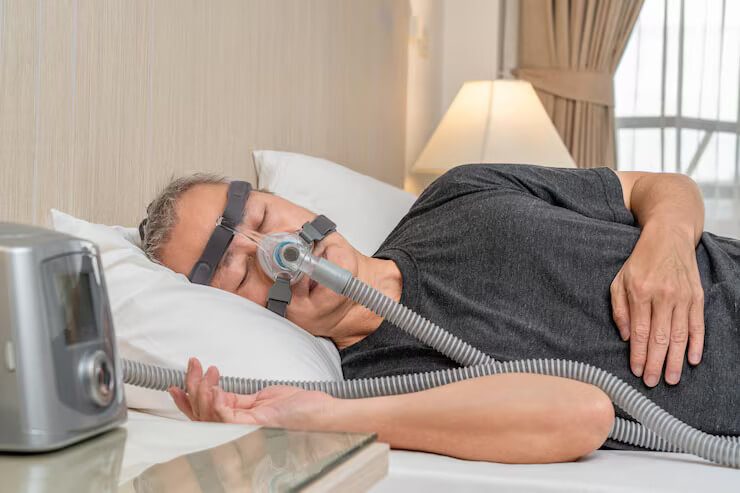
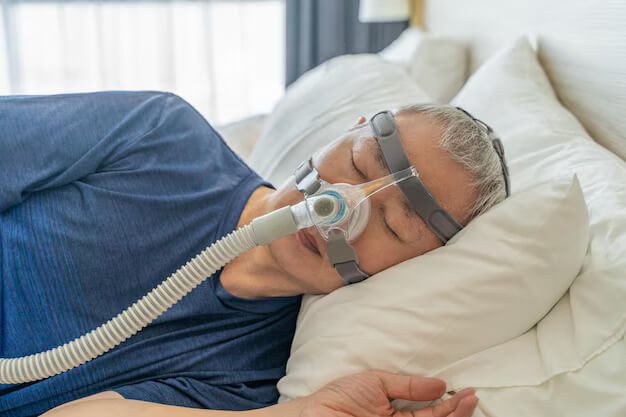
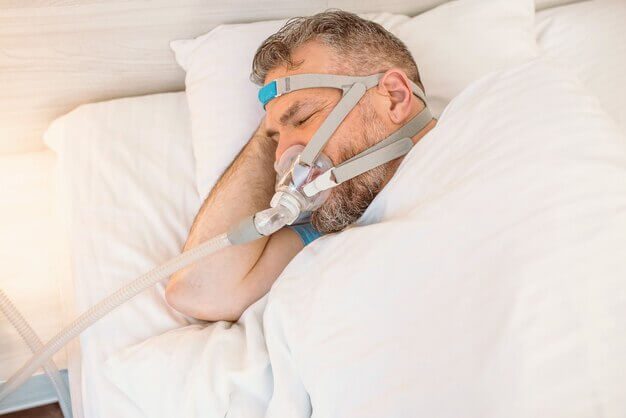
For AHI 15–29, CPAP is the first-line standard with the highest effectiveness. MAD may be considered for patients who are intolerant to CPAP, with effectiveness confirmed through a follow-up sleep study.
Our Services for You
Severe Sleep Apnea: CPAP Is the Gold Standard
For AHI ≥30, CPAP is the only option with strong clinical evidence for preventing cardiovascular complications and improving quality of life. Effectiveness reaches 95%+ in eliminating apnea episodes.
Surgical Therapy: For Select Cases
Surgery is considered when:
- A clear anatomical abnormality is present (enlarged tonsils, severe septal deviation, small jaw)
- The patient is intolerant to CPAP and MAD is ineffective
- Children with enlarged tonsils/adenoids
Surgical options include: adenotonsillectomy, UPPP, maxillomandibular advancement (MMA – 95% effectiveness), and hypoglossal nerve stimulation (Inspire).
Why Is CPAP Still the Top Choice?
CPAP excels because of:
- Highest effectiveness: eliminates apnea in >95% of patients
- Reversible: no permanent changes to anatomy
- Adjustable: pressure can be modified as conditions change
- Strongest clinical evidence: thousands of studies confirm cardiovascular benefits
- Cost-effective: compared to the health complications it prevents
Resindo Medika supports patients through the complete process: from sleep study diagnosis and selecting the right therapy for your condition, to long-term follow-up to ensure successful treatment.