Are you experiencing high blood sugar despite maintaining a healthy diet? Sleep apnea may be the hidden culprit that is often overlooked. This sleep disorder doesn't just cause daytime drowsiness — it also directly affects glucose metabolism in the body.
The Mechanism: How Sleep Apnea Affects Blood Sugar
Obstructive sleep apnea (OSA) causes breathing to stop repeatedly throughout the night. Each time airflow is interrupted, the body experiences hypoxia (oxygen deprivation), and the brain triggers an "emergency" response by releasing stress hormones — cortisol and adrenaline.
These hormones cause the body to:
Featured Products
ResMed AirSense 10 Autoset
ResMed's top automatic CPAP — adjusts pressure with every breath for precise, comfortable therapy throughout the night.
View Product Free Consultation- Break down glycogen reserves in the liver into glucose (glycogenolysis)
- Inhibit insulin function in the body's cells
- Trigger insulin resistance even in previously healthy individuals
As a result, blood sugar levels can spike, even in people with no risk factors for diabetes.
The Vicious Cycle of Sleep Apnea and Blood Sugar
What makes this condition even more dangerous is a vicious cycle: sleep apnea raises blood sugar, and high blood sugar worsens sleep apnea. Elevated glucose levels cause nerve damage that affects the muscles of the airway, making them more prone to collapse during sleep.
Symptoms to Watch Out For
Many sufferers are unaware that their blood sugar spikes stem from a sleep disorder. Watch for this combination of symptoms:
Our Services for You
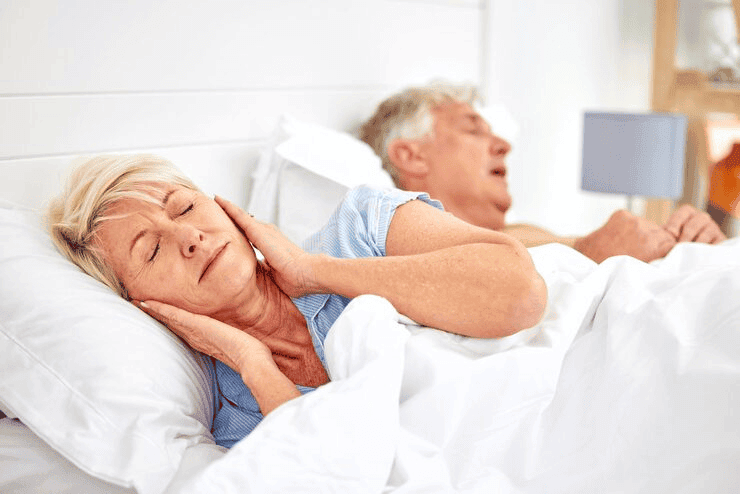
- Loud and irregular snoring
- Waking up with a choking sensation or shortness of breath
- Frequent urination during the night (nocturia)
- Waking up with headaches or a dry mouth
- Persistent fatigue and daytime sleepiness
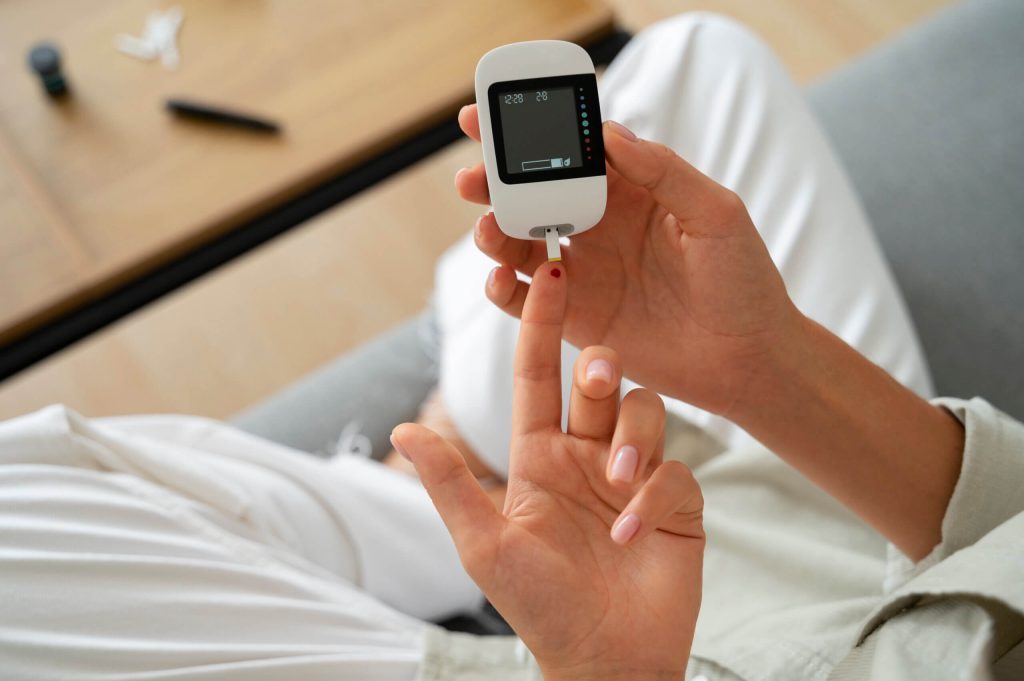
- Unexplained high blood sugar readings
Long-Term Health Risks
Untreated sleep apnea combined with high blood sugar increases the risk of:
- Type 2 diabetes
- Blood vessel damage (microvascular and macrovascular complications)
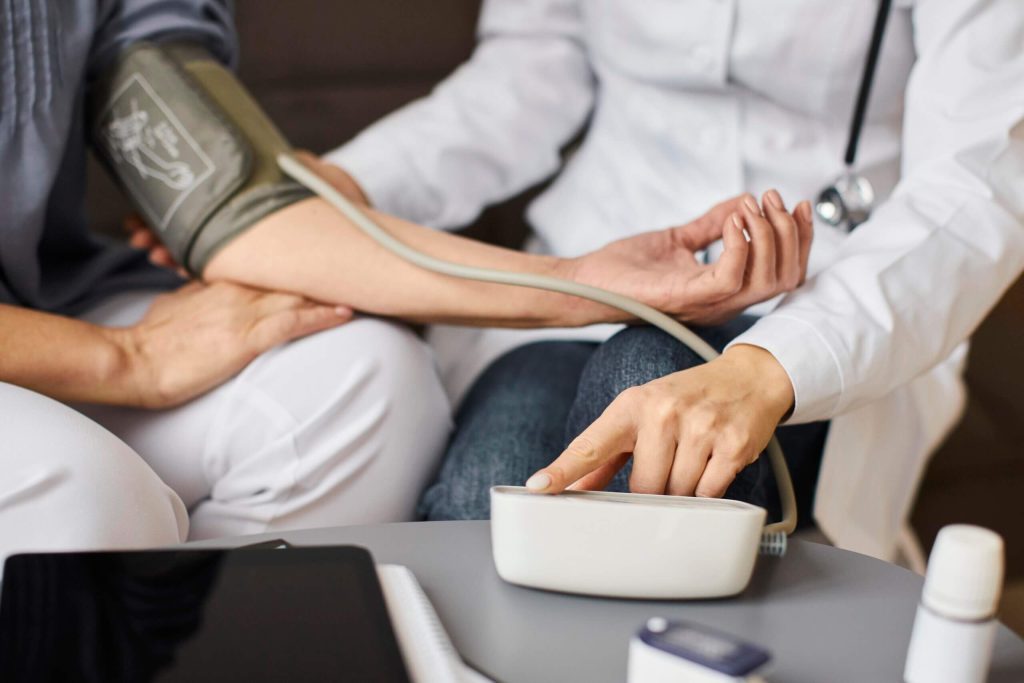
- High blood pressure
- Heart disease and stroke
Research shows that treating sleep apnea with CPAP can improve insulin sensitivity and help control blood sugar levels, even in patients already diagnosed with diabetes.
Steps to Take
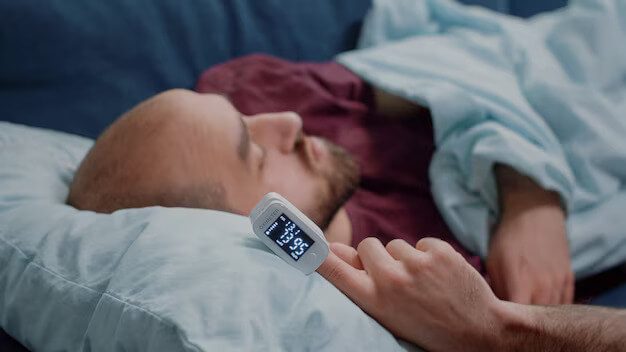
If you have persistently high blood sugar that is difficult to control despite diet and exercise, consider undergoing a sleep study. Accurate diagnosis through polysomnography allows your doctor to determine the most appropriate treatment.
Don't let sleep apnea continue to be a hidden threat to your health. Resindo Medika provides comprehensive sleep apnea evaluation using modern technology and an experienced medical team. Contact us for a consultation.