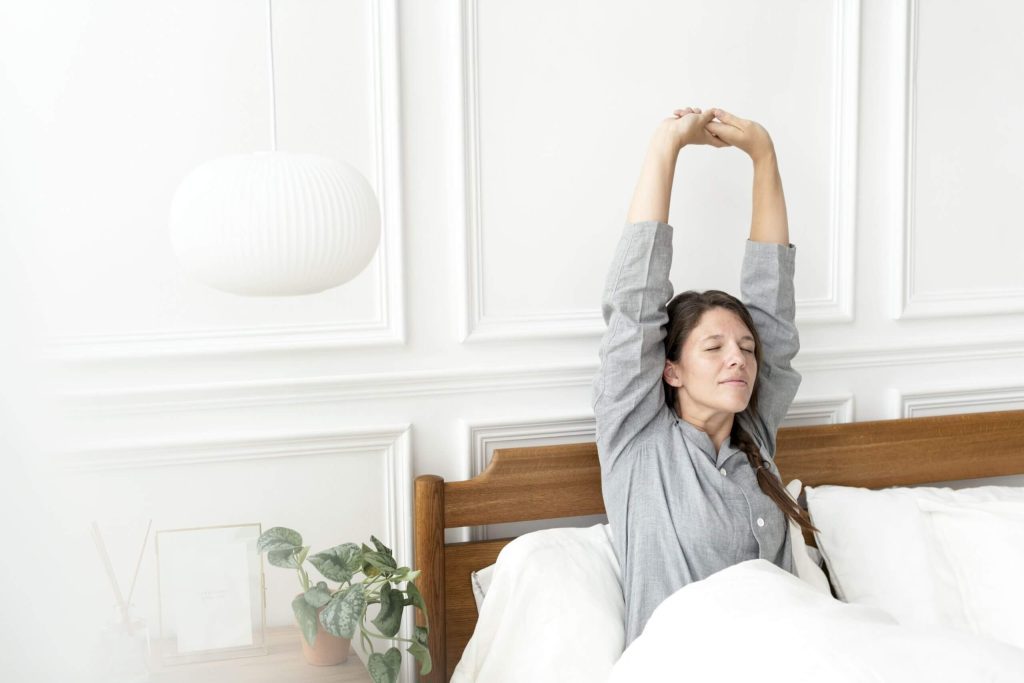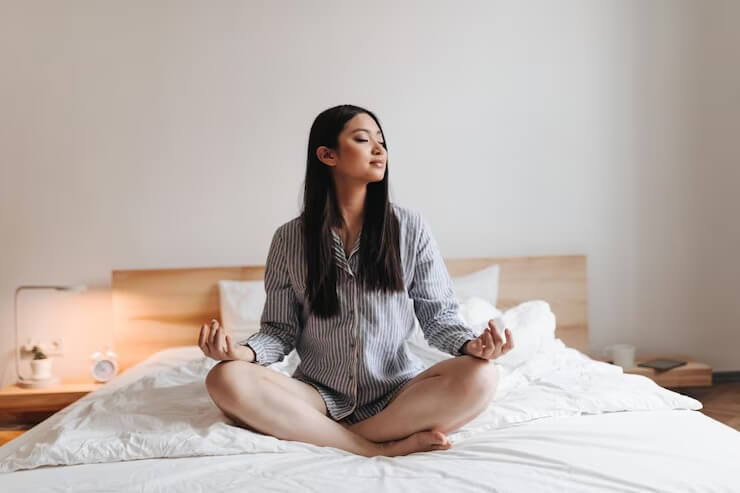
Stress and a mind that won't stop are the number-one cause of difficulty sleeping at night. When the body and mind are too active, the brain stays in an alert state that blocks sleep onset. Relaxation techniques are an evidence-based way to break this cycle and prepare the body for sound sleep.
Why Is Relaxation Important for Sleep?
Relaxation techniques work through the parasympathetic nervous system (rest-and-digest), which is the opposite of the stress system (fight-or-flight):
- Lowering cortisol and adrenaline levels
- Slowing the heart rate and lowering blood pressure
- Increasing GABA production (an inhibitory neurotransmitter that facilitates sleep)
- Reducing activity in the prefrontal cortex responsible for overthinking
Proven Relaxation Techniques
1. Mindfulness Meditation
Mindfulness meditation involves full focus on the present moment – especially the sensation of breathing – without judging the thoughts that arise. A meta-analysis of 18 clinical studies shows mindfulness significantly reduces insomnia severity.
Featured Product
ResMed AirSense 10 Autoset
ResMed's best automatic CPAP — adjusts pressure with every breath for precise, comfortable therapy all night long.
View Product Free ConsultationTechnique:
- Lie down comfortably, close your eyes
- Focus on the sensation of breath in the nose or abdomen
- When thoughts arise, notice them without judgment and return attention to the breath
- Do this for 10–20 minutes before bed
2. The 4-7-8 Breathing Technique
Developed by Dr. Andrew Weil, this technique uses breath retention to raise carbon dioxide levels, which has a natural sedative effect.
How to:
Our Services for You
- Inhale through the nose for 4 seconds
- Hold the breath for 7 seconds
- Exhale slowly through the mouth for 8 seconds
- Repeat for 4–6 cycles
Many people report falling asleep before completing 4 cycles after a few weeks of practice.
3. Progressive Muscle Relaxation (PMR)
PMR was developed by Dr. Edmund Jacobson in the 1920s and remains one of the most research-supported relaxation techniques. It involves tensing and releasing muscle groups in sequence.
How to:
- Start with the toes – tense for 5 seconds, then release and notice the relaxed sensation for 30 seconds
- Continue to the calves, thighs, abdomen, chest, hands, arms, shoulders, neck, and face
- Total time: 15–20 minutes
4. Body Scan Meditation
Scan your awareness from the toes to the head, noticing each sensation without trying to change it. Very effective for those who hold physical tension from stress.
5. White Noise and Relaxing Music
White noise (fan sounds, rain, waves) works by masking sudden sound changes that trigger arousal. Research shows white noise reduces the time to fall asleep by an average of 38% in noisy environments.
Building a Relaxation Routine
Choose 1–2 techniques and practice them every night at the same time for at least 3–4 weeks. Consistency matters more than perfection. Combine them with good sleep hygiene for maximum effect.
Relaxation techniques are a core component of CBT-I (Cognitive Behavioral Therapy for Insomnia), the recommended first-line therapy for insomnia. If insomnia persists or is accompanied by sleep apnea symptoms, consult the Resindo Medika medical team for a comprehensive evaluation and treatment plan.