Do you often struggle to sleep soundly? Wake in the middle of the night for no clear reason? Feel tired even after sleeping long enough? These can be signs that your sleep quality needs improving — and sleep hygiene is the right starting point.
More than just “good sleep habits,” sleep hygiene directly affects the risk of developing sleep apnea and worsening existing symptoms.
What Is Sleep Hygiene?
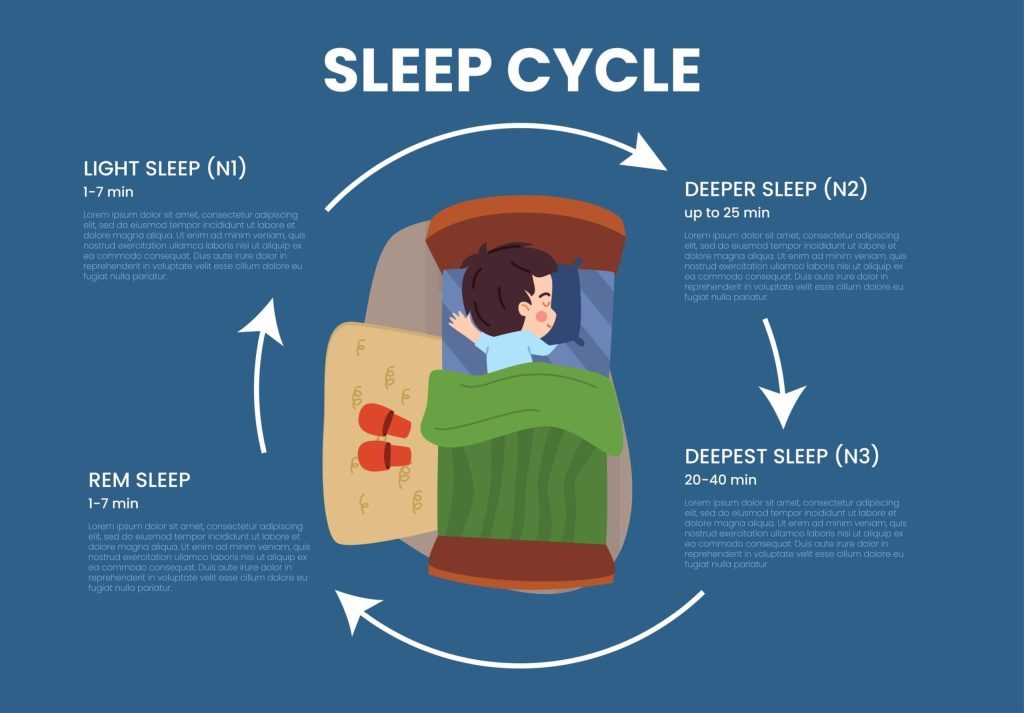
Sleep hygiene is a set of habits and environmental conditions that consistently support optimal sleep quality. It's not about sleeping longer, but about sleeping more efektif — reaching the restorative sleep phases the body and brain need.
Featured Product
ResMed AirSense 10 Autoset
ResMed's best automatic CPAP — adjusts pressure with every breath for precise, comfortable therapy all night long.
View Product Free ConsultationResearch shows that poor sleep hygiene can worsen sleep apnea symptoms, while improving sleep habits can significantly enhance the effectiveness of CPAP therapy.
Why Sleep Hygiene Matters: A Hormonal Perspective
Sleep regulates two key hormones that affect nearly every body function:
- Cortisol (the stress hormone) — levels disrupted by poor sleep trigger inflammation, weaken immunity, and raise blood pressure
- Growth Hormone — produced almost entirely during deep sleep; important for tissue recovery, metabolism, and body composition
The balance of these two hormones directly affects: physical and mental stability, focus and productivity, and the speed of recovery from illness or injury.
Our Services for You
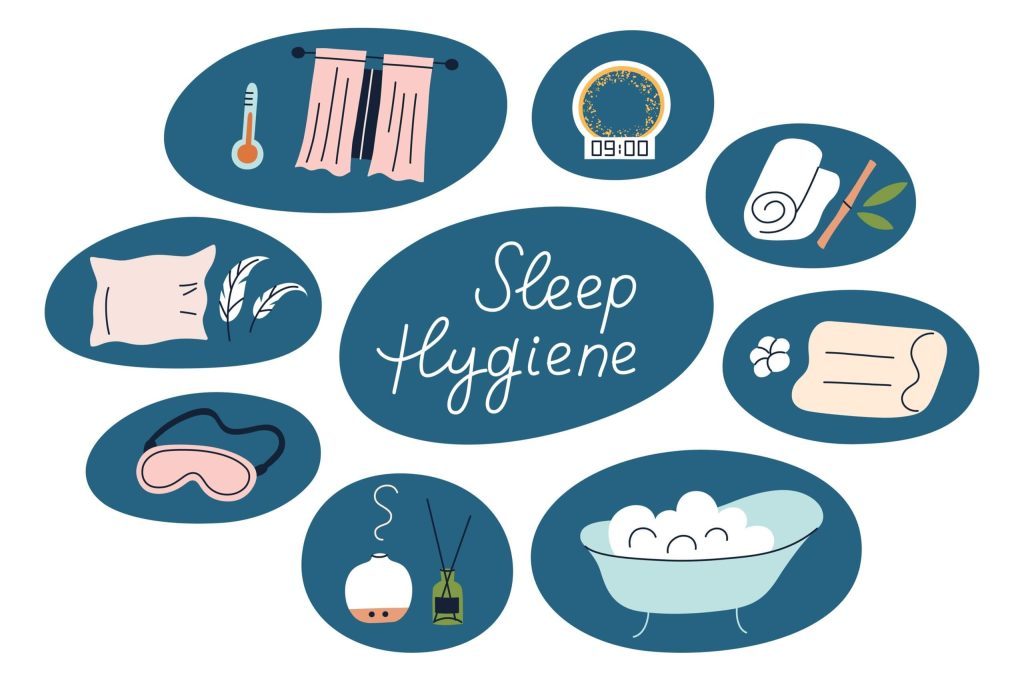
5 Proven Pillars of Sleep Hygiene
1. A Consistent Sleep Schedule
Going to bed and waking at the same time every day — including weekends — helps regulate the body's biological clock (circadian rhythm). Minimum target: 7–8 hours per night. Consistency matters more than duration alone.
2. Limit Caffeine and Screen Time at Night
Caffeine has a half-life of 5–7 hours — meaning a cup of coffee at 3 PM is still active in your system at midnight. Blue light from device screens suppresses melatonin (the sleep hormone) production for up to 3 hours. Ideal cutoffs: stop caffeine after 2 PM, and turn off screens 1 hour before bed.
3. Create an Optimal Sleep Environment
An ideal bedroom for quality sleep: a temperature of 18–20°C, complete darkness (use blackout curtains), free of noise (or use white noise), and a mattress and pillows that support proper sleep posture.
4. A Pre-Sleep Relaxation Routine
The body needs a “transition” from high activity to rest. 30–60 minutes before bed, do calming activities: meditation or deep breathing, light stretching, reading a physical book, or a warm bath (which lowers body temperature and triggers sleepiness).
5. Use CPAP Therapy Consistently
For people with sleep apnea, no sleep hygiene is complete without consistent CPAP use. Skipping even one night is enough to bring symptoms fully back. CPAP therapy and good sleep hygiene work synergistically — each reinforcing the other's effectiveness.
When Should You Consult a Doctor?
Sleep hygiene is an effective first step, but it has limits. If after 2–3 weeks of applying the habits above you still experience the following symptoms, you should consult a specialist promptly:
- Loud snoring that doesn't subside
- Waking gasping for breath or choking
- Excessive daytime sleepiness despite 7–8 hours of sleep
- Morning headaches
- Persistent difficulty concentrating
Resindo Medika provides consultations, sleep tests, and CPAP therapy to ensure you get well-targeted care.