Do you often forget things and struggle to focus? These issues may be linked to ADHD and sleep apnea — two conditions that co-occur more often than most people realize.
Both share an important commonality: they can disrupt daily activities and significantly reduce sleep quality. Understanding the relationship between them, however, can open the door to more effective treatment.
The Connection Between ADHD and Sleep Apnea
ADHD (Attention-Deficit/Hyperactivity Disorder) is a neurodevelopmental disorder characterized by inattention, hyperactive behavior, and impulsivity — affecting millions of children and adults worldwide.
Featured Product
ResMed AirSense 10 Autoset
ResMed's best automatic CPAP — adjusts pressure with every breath for precise, comfortable therapy throughout the night.
View Product Free ConsultationA journal from Nature and Science of Sleep reports that approximately 24%–50% of people with ADHD experience sleep problems — with a third of them experiencing snoring and sleep apnea. These figures are significantly higher than in the general population.
This is thought to occur due to a vicious cycle between the two conditions: poor sleep quality worsens ADHD symptoms, while uncontrolled ADHD makes it harder to achieve quality sleep.
The Impact of Sleep Apnea on Cognitive Function
When breathing is disrupted during sleep, a cascade of effects occurs throughout the body:
Our Services for You
- Fragmented sleep patterns — the brain never reaches restorative sleep stages
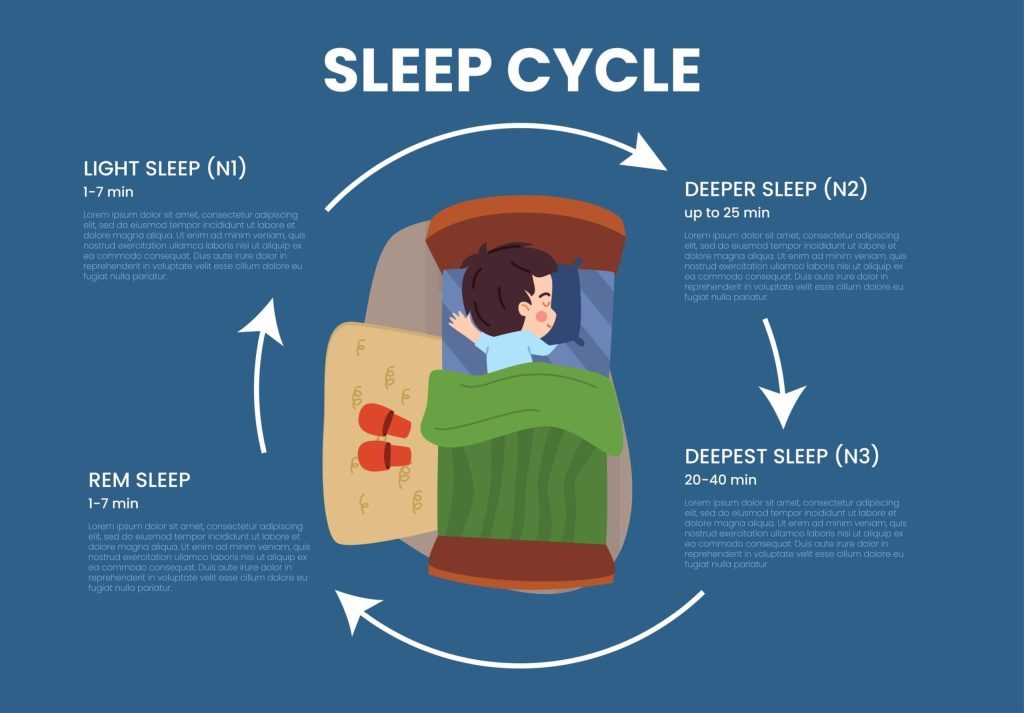
- Reduced REM sleep — the most critical stage for memory consolidation and emotional regulation
- Repeated micro-arousals throughout the night that go unnoticed
- Blood oxygen desaturation that reduces O₂ supply to the brain
The cumulative effects of these create symptoms nearly identical to ADHD: difficulty concentrating, impulsivity, low frustration tolerance, and chronic fatigue. This is why many cases of sleep apnea in children are initially misdiagnosed as ADHD.
Strategies for Managing ADHD Symptoms
Several approaches have been shown to help manage symptoms:
1. Consistent Routines and Boundaries
Consistency in rules and daily schedules helps individuals with ADHD understand and anticipate expectations — reducing anxiety and fostering a greater sense of security.
2. Positive Reinforcement
Concrete praise or rewards for desired behaviors are more effective than punishment in building positive long-term habits.
3. Regular Physical Activity
Exercise channels excess energy, boosts dopamine and serotonin neurotransmitters, and — particularly relevant here — directly improves sleep quality.
4. Professional Support
Cognitive behavioral therapy (CBT) and consultation with a sleep specialist can provide a personalized and effective roadmap.
How Effective Is Treating Sleep Apnea for ADHD Symptoms?
The scientific evidence is growing stronger: treating sleep apnea can directly reduce ADHD symptoms. In some patients, consistent CPAP therapy has reduced — or even eliminated — the need for ADHD stimulant medication.
Reviews across multiple studies show significant improvements in attention, impulse control, emotional regulation, and overall quality of life after sleep apnea is properly treated.
The most important takeaway: if you or your child has been diagnosed with ADHD, a sleep evaluation is a step that should not be skipped.