Behind every night of sleep, your brain goes through a series of cycles, each lasting about 90 minutes. Within each cycle, there is one phase that determines whether you wake with a clear mind or exhausted: REM Sleep.
And for people with sleep apnea, this is the phase most vulnerable to disruption — with consequences more serious than simply feeling sleepy in the morning.
Understanding the Sleep Cycle: Four Stages Working Together
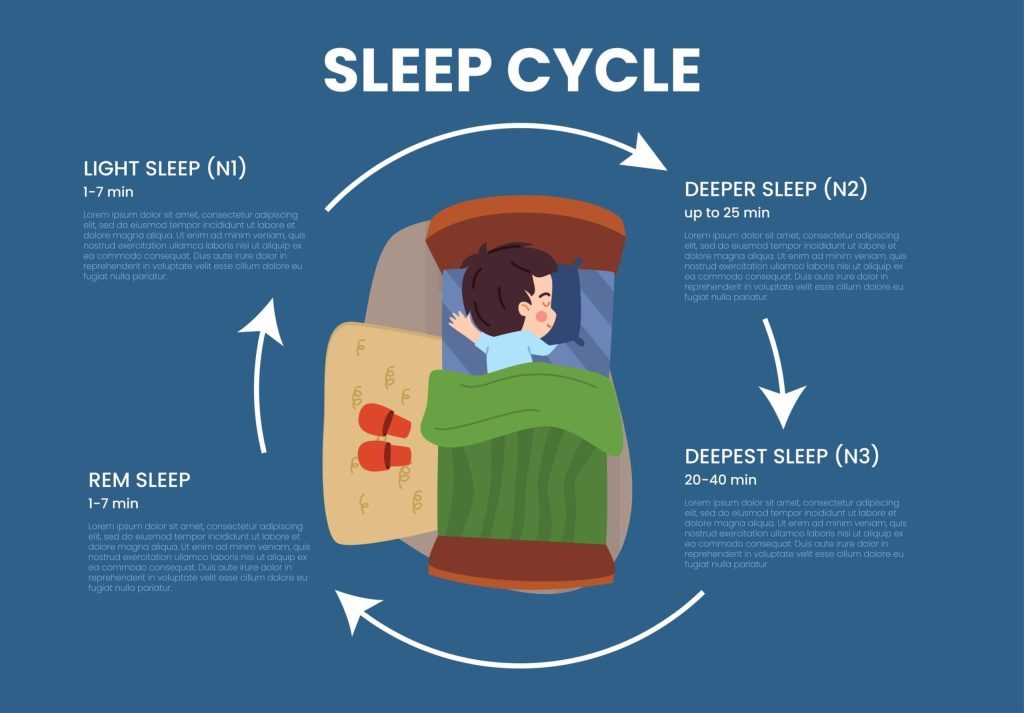
Sleep is not merely “being unconscious.” Every night, your brain orchestrates four distinct stages:
Featured Product
ResMed AirSense 10 Autoset
ResMed's best automatic CPAP — adjusts pressure with every breath for precise, comfortable therapy all night long.
View Product Free Consultation- Stage 1 (Non-REM) — The transition from wakefulness to sleep. Lasts 1–7 minutes and is easily disrupted.
- Stage 2 (Non-REM) — About 50% of total sleep time. Heart rate and brain activity begin to slow; the body prepares for deeper sleep.
- Stage 3 (Non-REM) — Deep sleep, or slow-wave sleep. The main physical recovery phase: tissue is repaired, the immune system is strengthened, and energy is replenished.
- REM Sleep — About 90 minutes after falling asleep, lengthening with each subsequent cycle. This is the phase where vivid dreams occur and the brain works hardest.
What Happens During REM Sleep?
During REM (Rapid Eye Movement), the eyes move rapidly behind closed lids, heart rate increases, and breathing becomes irregular. Paradoxically, this is both the deepest sleep phase and the phase where brain activity approaches the waking state.
REM Sleep serves crucial functions:
- Emotional regulation — processing emotional experiences and reducing the stress response
- Memory consolidation — converting short-term information into long-term memory
- Brain development — especially important in babies and children
- Cognitive protection — research links sufficient REM with a lower risk of dementia
Why Sleep Apnea Is So Dangerous for REM Sleep
During REM Sleep, muscle tone throughout the body — including the muscles that support the airway — undergoes atonia (complete relaxation). In healthy people this is not a problem. But in people with sleep apnea, this condition dramatically increases the risk of airway collapse.
Our Services for You
As a result, sleep apnea tends to be more severe and more frequent during the REM phase. Each time breathing stops, the brain sends an alarm signal that wakes you — often without your awareness — to reopen the airway. This cycle can occur dozens to hundreds of times a night.
High-Risk Groups for REM-Related Sleep Apnea
Several factors increase the risk of sleep apnea that occurs predominantly during REM:
- Women (especially post-menopause)
- Adults under 60 years old
- A habit of sleeping on the back
- Being overweight or obese
- Consuming alcohol or sedatives before bed
How to Improve REM Sleep Quality
- CPAP Therapy — the only proven effective way to prevent breathing disruptions during REM
- A consistent sleep-wake schedule (including weekends)
- Avoid alcohol and caffeine at least 4–6 hours before bed
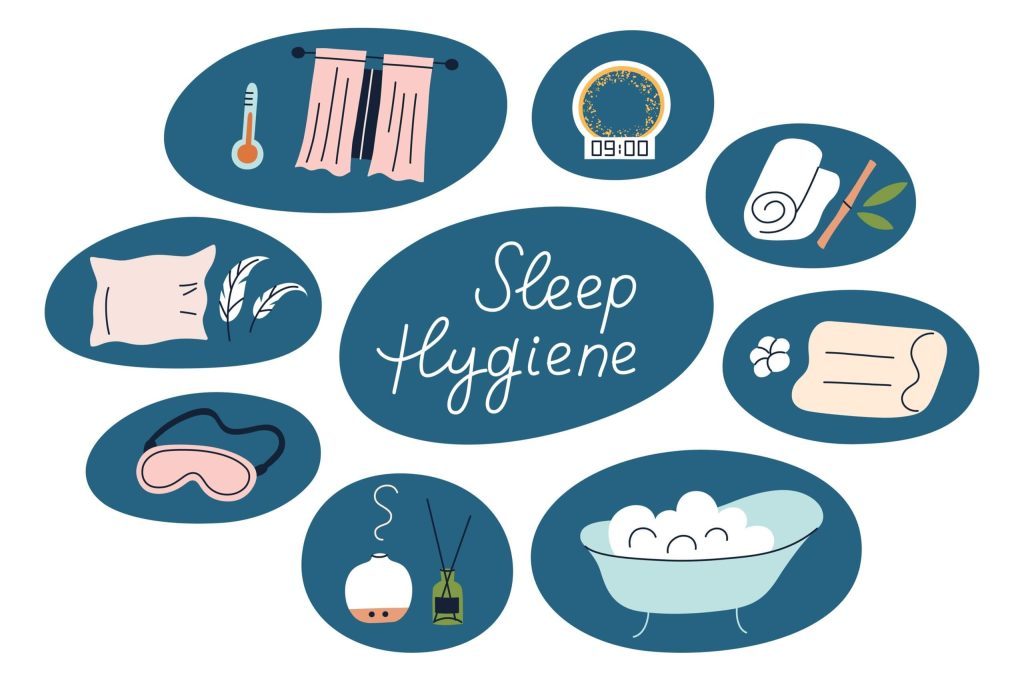
- Create a dark, cool (18–20°C), and noise-free sleep environment
- Active stress management through meditation or progressive relaxation