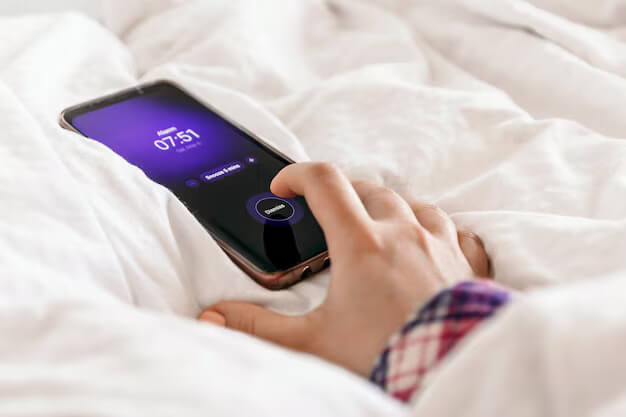
Advances in technology have brought a wide range of apps and wearable devices that claim to detect sleep apnea directly from a smartphone. From apps that record snoring sounds to smartwatches that analyze oxygen saturation, the options are growing. But how accurate are these technologies compared to polysomnography — the gold standard for diagnosing sleep apnea?
How Do Sleep Tracker Apps Work?
Smartphone sleep tracker apps generally work using several methods:
- Sound analysis (microphone): records breathing sounds and snoring throughout the night, identifying suspicious patterns
- Accelerometer: detects body movement to estimate sleep stages (light, deep, REM)
- Oximetry (wearable): measures oxygen saturation (SpO2) via a wrist sensor — this method is more accurate
- Infrared camera: some newer devices use a camera to detect skin color changes caused by oxygen fluctuations
Popular Apps and Their Claims
Some of the most popular apps in Indonesia include Sleep Cycle, Snore Lab, and various built-in smartwatch features. Microphone-based apps can detect snoring fairly well, but their ability to diagnose sleep apnea remains very limited.
Featured Product
ResMed AirSense 10 Autoset
ResMed's best automatic CPAP — adjusts pressure with every breath for precise, comfortable therapy throughout the night.
View Product Free ConsultationAccuracy: Facts vs. Marketing Claims
Independent research shows disappointing results for sound- and motion-based apps:
- Sensitivity for detecting sleep apnea is only 50–65% (meaning 35–50% of cases are missed)
- Unable to distinguish obstructive vs. central apnea
- Cannot accurately measure AHI (Apnea-Hypopnea Index)
- Highly affected by phone placement, ambient noise, and the mattress used
Smartwatches with SpO2 sensors (such as Fitbit, Apple Watch, and Garmin) offer better accuracy for detecting oxygen desaturation, but are still insufficient for a definitive diagnosis.
What Can and Can't Apps Do?
What they can do:
Our Services for You
- Identify potential issues that warrant further evaluation
- Track sleep quality trends over time
- Document snoring patterns to share with a doctor
- Motivate lifestyle changes
What they cannot do:
- Replace a medical diagnosis
- Determine the required CPAP pressure
- Accurately measure brain waves and sleep stages
- Detect central sleep apnea
Why Is Polysomnography Still Necessary?
Polysomnography simultaneously records 20+ parameters: brain waves (EEG), eye movements, muscle activity, ECG, oxygen levels, breathing patterns, and body position. From this data, a doctor can:
- Accurately calculate AHI and determine severity (mild/moderate/severe)
- Differentiate apnea type (obstructive, central, mixed)
- Detect other sleep disorders that may be present
- Determine the optimal CPAP pressure (titration study)
Conclusion: A Complement, Not a Replacement
Sleep tracker apps are useful screening tools for raising awareness and encouraging people to seek medical help. However, they cannot replace polysomnography for a definitive diagnosis of sleep apnea.
If your app shows signs of sleep apnea — or if you experience symptoms such as loud snoring, waking up gasping, or chronic fatigue — the next step is a sleep study at a trusted medical facility like Resindo Medika.