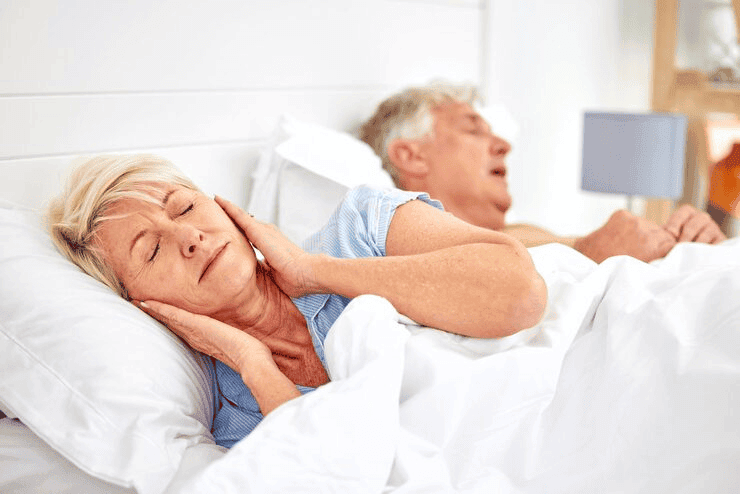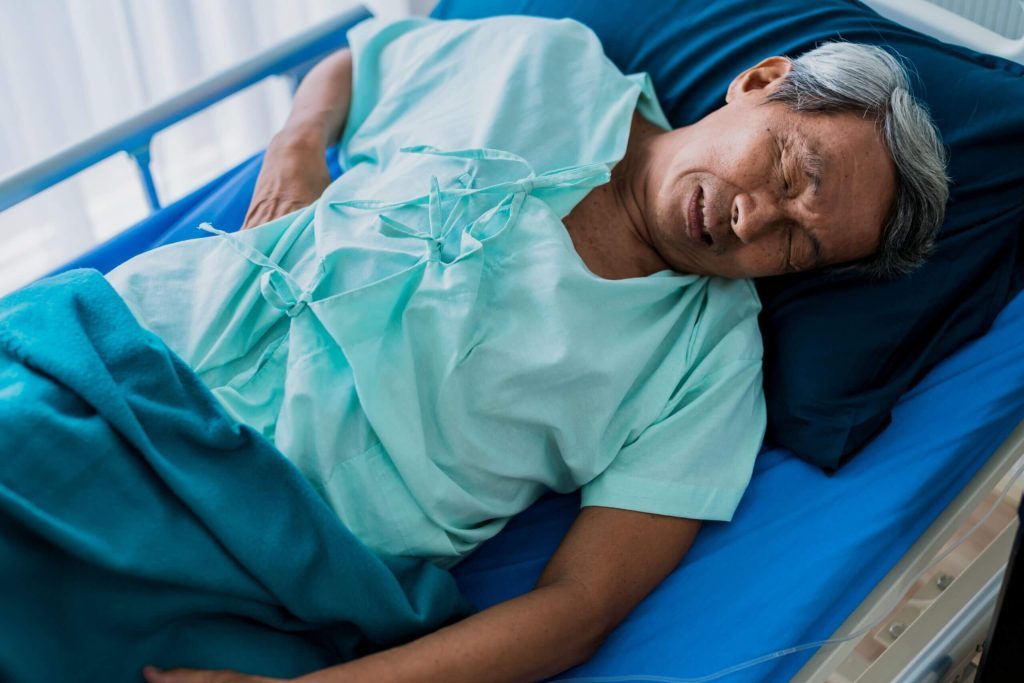
Stroke is the third leading cause of death in Indonesia and the primary cause of long-term disability. Alarmingly, people with sleep apnea have a 2–3 times higher risk of stroke compared to those without the condition. Even more concerning, approximately 60–70% of stroke patients have undiagnosed sleep apnea.
How Does Sleep Apnea Increase Stroke Risk?
Obstructive sleep apnea (OSA) creates a perfect storm for stroke through several mechanisms:
1. Recurrent Hypoxia
Each time breathing stops, blood oxygen levels drop dramatically. In severe cases, these episodes can occur 30–100 times per hour. Repeated oxygen deprivation subjects the brain to oxidative stress and damages blood vessel cells.
Featured Product
ResMed AirSense 10 Autoset
ResMed's best automatic CPAP — adjusts pressure with every breath for precise, comfortable therapy throughout the night.
View Product Free Consultation2. Nocturnal Hypertension
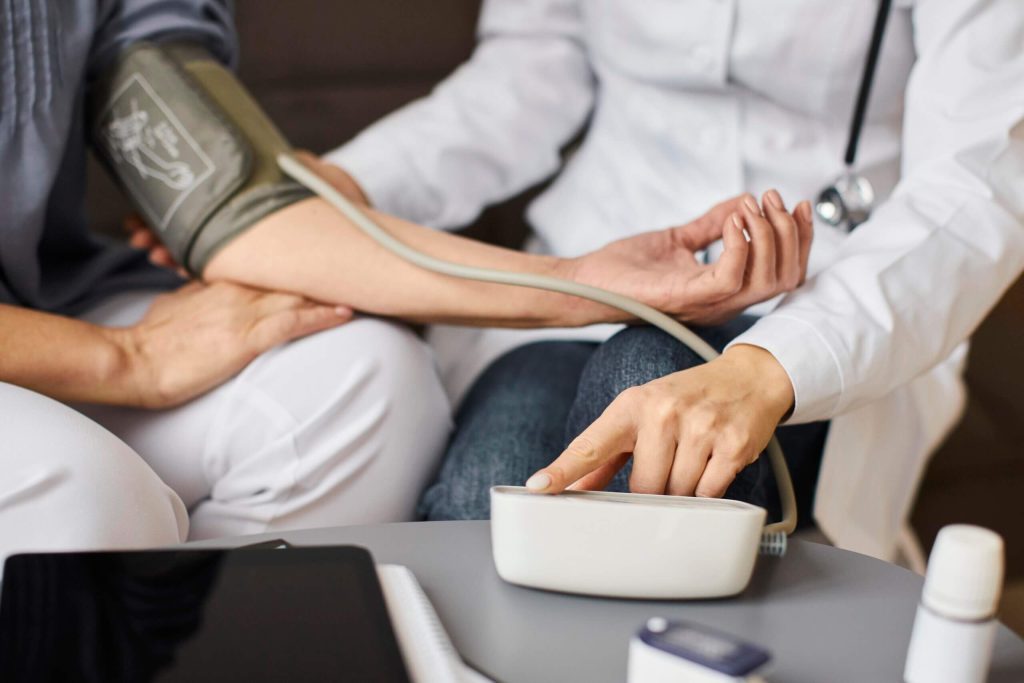
Sleep apnea causes blood pressure spikes each time a patient is roused by an apnea episode. Repeated surges in blood pressure overnight damage the walls of cerebral blood vessels, increasing the risk of both hemorrhagic and ischemic stroke.
3. Cardiac Arrhythmia
OSA increases the risk of atrial fibrillation (AFib) by up to 4 times. AFib causes blood clots to form in the heart, which can break free and block blood vessels in the brain.
4. Systemic Inflammation
Sleep apnea triggers the release of pro-inflammatory cytokines that damage vascular endothelium and accelerate atherosclerosis.
Our Services for You
Alarming Statistics
- 72% of stroke patients had previously undiagnosed sleep apnea (International Stroke Conference 2023)
- Patients with severe OSA (AHI >30) have a 3 times higher risk of stroke
- Untreated sleep apnea increases the risk of recurrent stroke by up to 5 times
- Treating sleep apnea with CPAP reduces stroke risk by up to 42%
Stroke Prevention in Sleep Apnea Patients
1. Early Diagnosis Through a Sleep Study
The most important step is determining whether you have sleep apnea through polysomnography. This test provides data on the Apnea-Hypopnea Index (AHI), minimum oxygen levels, and arousal patterns that disrupt deep sleep.
2. CPAP Therapy
Continuous Positive Airway Pressure (CPAP) is the gold-standard treatment for sleep apnea. A study in the New England Journal of Medicine (2023) demonstrated that patients who consistently used CPAP for at least 4 hours per night over 5 years experienced a stroke risk reduction of up to 42%.
3. Cardiovascular Risk Factor Control
- Blood pressure target <130/80 mmHg (CPAP alone can lower blood pressure by 5–10 mmHg)
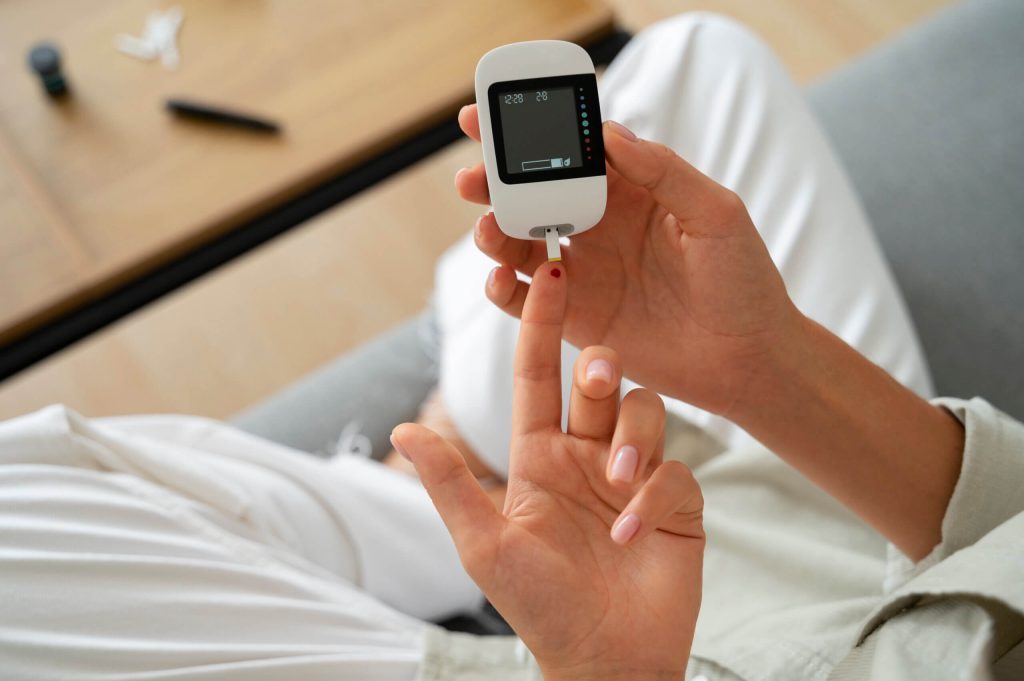
- HbA1c target <7% for diabetic patients
- LDL target <100 mg/dL
4. Weight Loss
Every 10% reduction in body weight can reduce AHI by up to 26% and lower blood pressure by 5–20 mmHg.
Sleep Apnea in Post-Stroke Patients
If you have already had a stroke, managing sleep apnea becomes critical. Sleep apnea impairs neuroplasticity, slows motor and cognitive recovery, and increases the risk of recurrent stroke by up to 5 times within the first 5 years.
A study in the Stroke Journal (2022) showed that stroke patients who used CPAP within the first 72 hours had 40% faster neurological recovery and a 60% reduction in recurrent stroke risk.
When Should You Screen for Sleep Apnea?
Get a sleep study promptly if you: snore loudly almost every night, have had a stroke or TIA (mini-stroke), have hypertension that is difficult to control, atrial fibrillation, type 2 diabetes, or obesity with a BMI >30. Early detection saves lives.