Losing a loved one, divorce, or other traumatic events leave more than just emotional wounds. In some cases, emotional trauma can affect sleep quality to the point of triggering or worsening sleep apnea — a phenomenon known as the link between psychological conditions and breathing disorders during sleep.
The Link Between Emotions and Breathing During Sleep
Emotional trauma can keep the body in a state of alertness (fight or flight mode) even during sleep. This condition causes:
- Increased throat muscle tension due to activation of the sympathetic nervous system
- Breathing instability because respiratory regulation is disrupted
- An increased risk of airway narrowing due to chronic hyperarousal
This condition resembles structural obstructive sleep apnea (OSA), in which the airway is partially or fully closed during sleep, obstructing oxygen flow to the lungs and brain.
Featured Product
ResMed AirSense 10 Autoset
ResMed's best automatic CPAP — adjusts pressure with every breath for precise, comfortable therapy all night long.
View Product Free ConsultationResearch: The Link Between PTSD and Sleep Apnea
Studies show that people with PTSD (Post-Traumatic Stress Disorder) have a higher prevalence of sleep apnea than the general population. The suspected mechanisms:
- Hypervigilance (excessive alertness) prevents reaching the deep sleep needed for relaxation of the pharyngeal muscles
- Nightmares that trigger repeated arousals worsen sleep fragmentation
- Changes in central respiratory regulation due to post-traumatic neurochemical changes
Symptoms of Post-Trauma Sleep Apnea
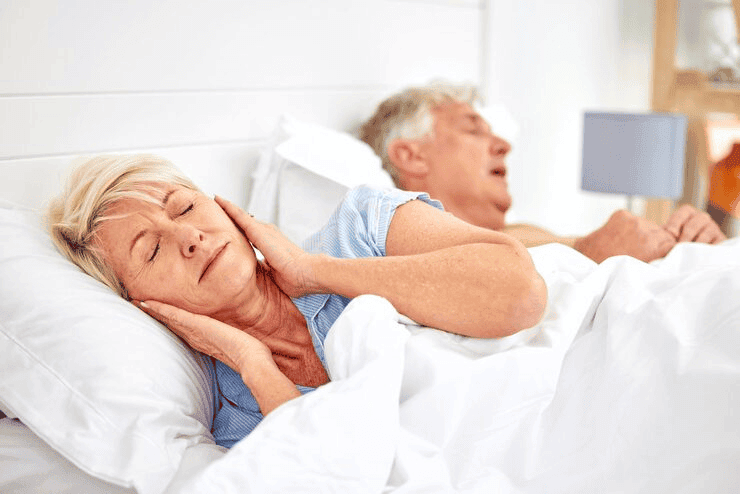
- Loud, irregular snoring
- Suddenly waking with a choking sensation
- Restless sleep or frequently changing position
- Waking with a headache or extreme fatigue
- Mood changes, irritability, or difficulty concentrating
These symptoms are often regarded as merely the result of stress or anxiety, so sleep apnea is not suspected as a diagnosis.
Reinforcing Risk Factors
Emotional trauma does not always directly cause sleep apnea, but the risk increases when accompanied by:
Our Services for You
- A history of sleep apnea before the trauma
- Being overweight
- Use of alcohol or sedatives as a coping mechanism
- Irregular sleep patterns
An Integrated Treatment Approach
Treating sleep apnea in people with emotional trauma requires a dual approach:
- Diagnosis through a sleep study to determine whether there is physical airway obstruction
- CPAP Therapy if OSA is confirmed
- Psychological support — therapies such as CBT-I (Cognitive Behavioral Therapy for Insomnia) and EMDR for trauma
- Lifestyle changes — regular exercise, stress management, and sleep hygiene
If you or someone close to you experiences sleep apnea symptoms after a severe emotional event, do not ignore it. Resindo Medika provides comprehensive sleep apnea examinations with a holistic approach that considers both physical and psychological factors. Contact us for a consultation.