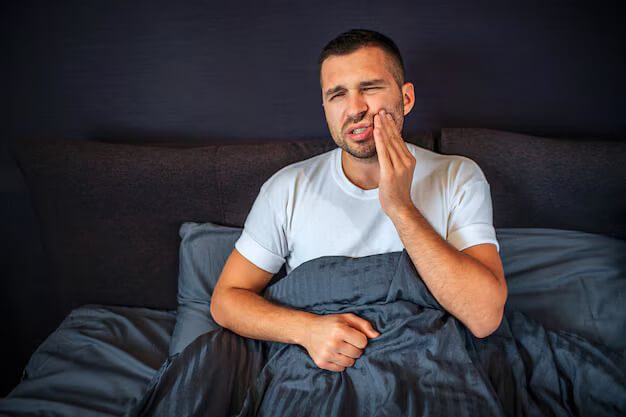
Snoring is often considered just a sleep disturbance that bothers a partner. But behind that noise, snoring related to sleep apnea can have a serious impact on dental and oral health. Research shows that people with sleep apnea are more prone to cavities and periodontitis (gum inflammation that can damage the tooth-supporting tissue).
The Link Between Sleep Apnea and Dental Health Problems
Sleep apnea causes prolonged mouth breathing throughout the night. This condition directly affects oral health:
- Dry mouth (xerostomia) – reduced saliva makes it easier for cavity-causing bacteria to grow
- Changes in oral pH – triggers plaque formation and accelerates tooth-enamel erosion
- Gum inflammation – due to increased pathogenic bacteria in the dry oral environment
- Bruxism (teeth grinding) – often experienced by people with sleep apnea, accelerating tooth wear
The Impact of Snoring on Cavities
Saliva has an important function: cleaning food residue and neutralizing acid in the mouth. When a person with sleep apnea snores with an open mouth, saliva evaporates faster throughout the night. As a result, cavity-causing bacteria multiply unchecked.
Featured Product
ResMed AirSense 10 Autoset
ResMed's best automatic CPAP — adjusts pressure with every breath for precise, comfortable therapy all night long.
View Product Free ConsultationIf untreated, cavities can damage the tooth layers down to the nerve, triggering severe pain and requiring invasive treatment such as fillings, root canals, or even extraction.
The Impact of Snoring on Periodontitis
Periodontitis is a serious gum infection that damages the soft tissue and bone supporting the teeth. In people with sleep apnea, the combination of dry mouth, increased bacteria, and chronic inflammation from hypoxia raises the risk of periodontitis.
Early symptoms include:
Our Services for You
- Red and swollen gums
- Bleeding easily when brushing
- Bad breath that persists despite cleaning the teeth
- Loose-feeling teeth
Untreated periodontitis can cause tooth loss and systemically increase the risk of heart disease.
Why Address the Root Cause?
Dental care alone is not enough if the root cause is sleep apnea. Addressing the sleep disorder will help reduce mouth breathing, maintain normal oral moisture and pH, reduce the risk of excess bacteria, and improve overall sleep quality.
If you have dental problems that don't improve despite diligent oral hygiene, consider sleep apnea as a possible contributing factor. Resindo Medika provides comprehensive sleep apnea diagnosis with a holistic approach that considers oral health and the respiratory system.