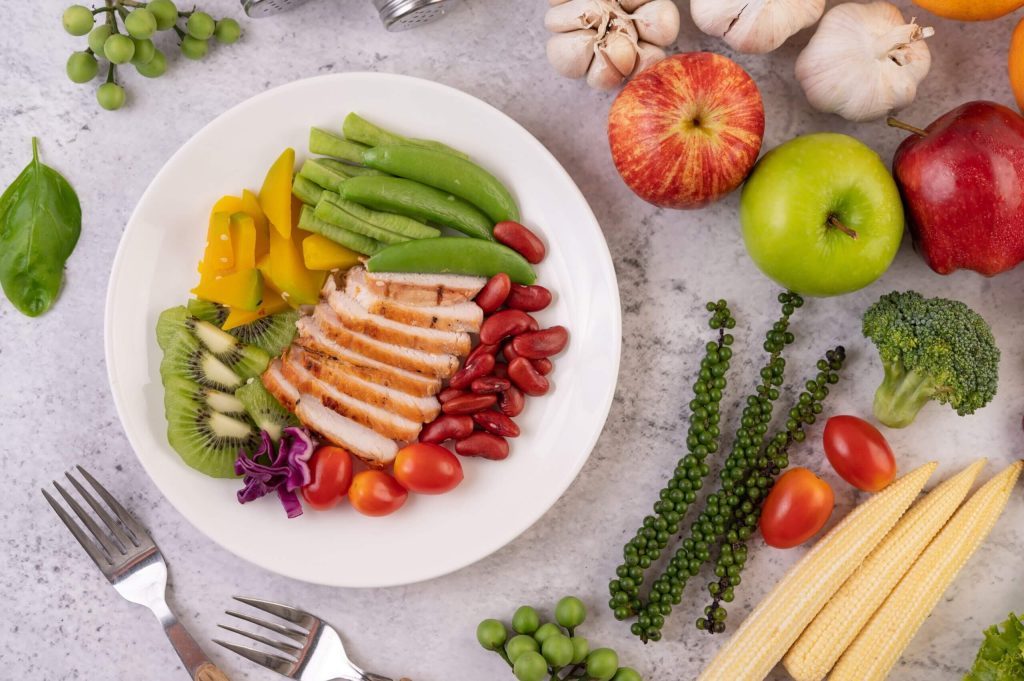
Insomnia is a sleep disorder that makes it hard to fall asleep, causes frequent waking, or leads to waking too early. One often-overlooked factor in managing insomnia is diet. What you eat and when you eat it directly affect the production of sleep hormones and the quality of your night's sleep.
Key Nutrients for Better Sleep
1. Melatonin: The Natural Sleep Hormone
Melatonin doesn't only come as a supplement – many foods naturally contain or stimulate melatonin production:
- Tart cherries (sour cherry) – contain the highest melatonin among fruits. Two glasses of tart cherry juice per day increased sleep time by an average of 84 minutes in clinical studies
- Walnuts – contain melatonin plus omega-3 that supports serotonin production
- Bananas – rich in magnesium and tryptophan, both of which support melatonin production
- Tomatoes, grapes, rice – good plant-based sources of melatonin
2. Magnesium: The Relaxation Mineral
Magnesium is the “relaxation mineral” – it activates the parasympathetic nervous system, regulates GABA, and aids muscle relaxation. Magnesium deficiency is linked to insomnia and restless sleep.
Featured Product
ResMed AirSense 10 Autoset
ResMed's best automatic CPAP — adjusts pressure with every breath for precise, comfortable therapy all night long.
View Product Free ConsultationBest sources: avocado, spinach, pumpkin seeds (4 times the daily requirement in 30g!), almonds, dark chocolate.
3. Tryptophan: Precursor to Serotonin and Melatonin
Tryptophan is an essential amino acid that is converted into serotonin (a mood regulator) and then melatonin.
Best sources: turkey, chicken, eggs, milk and dairy products, nuts, chia and pumpkin seeds.
Our Services for You
Tip: consuming complex carbohydrates alongside tryptophan sources increases its absorption into the brain.
4. Omega-3: A Supporter of Serotonin Production
Omega-3 (especially DHA and EPA) supports neuron cell-membrane function and serotonin production. Research shows that regular consumption of fatty fish is associated with better sleep quality and fewer nighttime awakenings.
Foods That Disrupt Sleep
- Caffeine (coffee, black tea, energy drinks): avoid after 2 PM – half-life of 5–7 hours
- Alcohol: although it causes drowsiness, it disrupts REM sleep and worsens sleep apnea
- Sugar and refined carbohydrates: sudden blood-sugar spikes and drops disrupt the sleep cycle
- Spicy and high-fat foods: trigger acid reflux that can wake you at night
- High tyramine (aged cheese, red wine): stimulate the release of norepinephrine that increases alertness
Meal Timing: As Important as What You Eat
- Eat a large dinner at least 3 hours before bed
- A light snack 1–2 hours before bed (a handful of almonds + a banana) actually helps
- Don't go to bed hungry – nocturnal hypoglycemia disrupts sleep
Drinks That Help Sleep
- Chamomile tea: contains apigenin that binds to GABA receptors
- Warm milk: tryptophan + the psychological effect of a childhood habit
- Valerian tea: raises GABA levels, a mild benzodiazepine-like effect without dependence
Improving your diet is a long-term strategy that yields sleep benefits after 2–4 weeks of consistency. For persistent insomnia or insomnia accompanied by other sleep-disorder symptoms, consult the Resindo Medika medical team for a comprehensive evaluation.