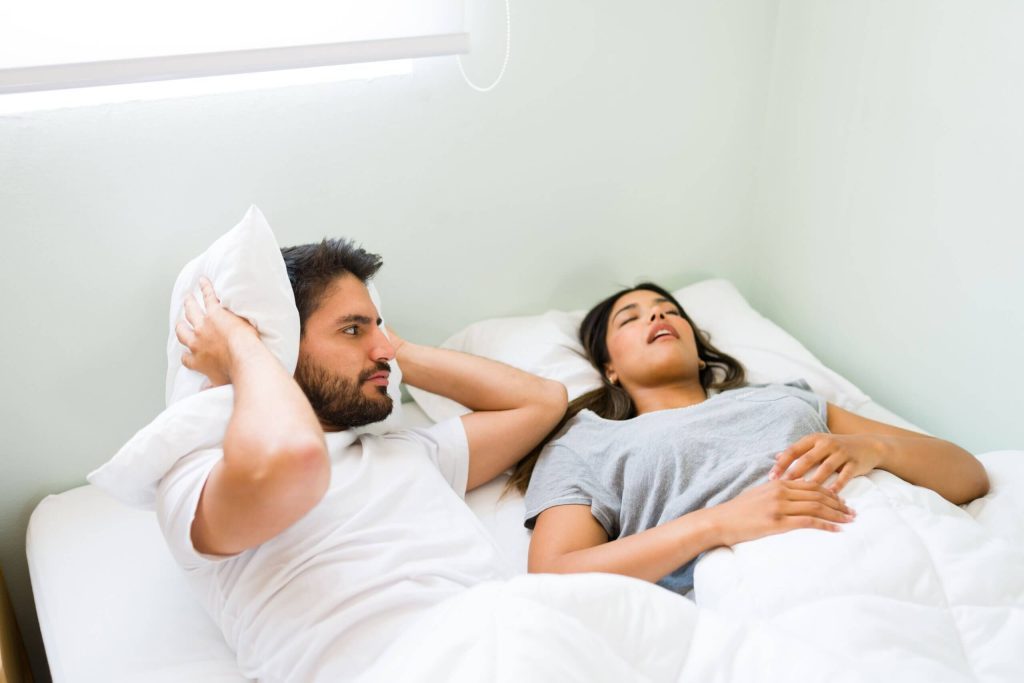
Snoring is often considered a problem more common in men. In reality, about 25% of adult women snore regularly, and this figure rises to 40% in postmenopausal women. The causes of snoring in women have unique characteristics that differ from men, largely due to hormonal factors.
The Role of Hormones in Snoring in Women
Female reproductive hormones — estrogen and progesterone — have a protective effect on the upper airway. These two hormones help maintain throat muscle tone, regulate body fat distribution, reduce airway inflammation, and control breathing responses. When levels of these hormones fluctuate or decline, the risk of snoring and sleep apnea increases significantly.
Snoring During Pregnancy: Why Does It Happen?
Snoring during pregnancy is common, particularly in the second and third trimesters, and is caused by:
Featured Products
ResMed AirSense 10 Autoset
ResMed's best automatic CPAP — adjusts pressure with every breath for precise, comfortable therapy throughout the night.
View Product Free Consultation- Pregnancy rhinitis: elevated progesterone causes swelling of blood vessels in the nose
- Weight gain: increased weight in the neck area compresses the airway
- Increased blood volume: rises by up to 50%, causing tissue swelling in the nose and throat
- Limited sleeping positions: an enlarged abdomen forces sleeping on the back
Risks of Snoring During Pregnancy
Loud snoring with sleep apnea in pregnant women increases the risk of preeclampsia, gestational diabetes, restricted fetal growth, and premature birth. Seek medical advice promptly if snoring is accompanied by breathing pauses noticed by a partner.
Causes of Snoring During Menopause
After menopause, the prevalence of sleep apnea in women is nearly equal to that in men. The causes include:
- Up to 90% decline in estrogen: throat muscles lose tone, and fat accumulates in the neck
- Changes in fat distribution: accumulation in the abdominal and neck areas (android pattern, similar to men)
- Hot flashes: disrupt sleep quality and worsen sleep apnea symptoms
- Loss of muscle mass: including the muscles that keep the airway open
Sleep Apnea Symptoms in Women That Are Often Undiagnosed
Sleep apnea symptoms in women often differ from those in men and are frequently overlooked. Women more commonly experience:
Our Services for You
- Insomnia or difficulty staying asleep
- Chronic daytime fatigue
- Depression or mood changes
- Restless leg syndrome
Rather than the loud snoring and obvious breathing pauses typically seen in men.
How to Address It
For pregnant women: sleep on your left side, use a pregnancy pillow, keep weight gain within doctor-recommended limits, and use nasal strips.
For menopausal women: consider hormone replacement therapy (HRT) after consulting your doctor, maintain a healthy weight, and use CPAP if diagnosed with sleep apnea.
When Should You Get a Sleep Study?
A sleep study is strongly recommended if you experience loud snoring every night, extreme fatigue despite adequate sleep, difficult-to-control high blood pressure, or mood disturbances affecting your quality of life. Resindo Medika understands that sleep disorders in women require a specialized approach that takes hormonal factors and life stages into account.